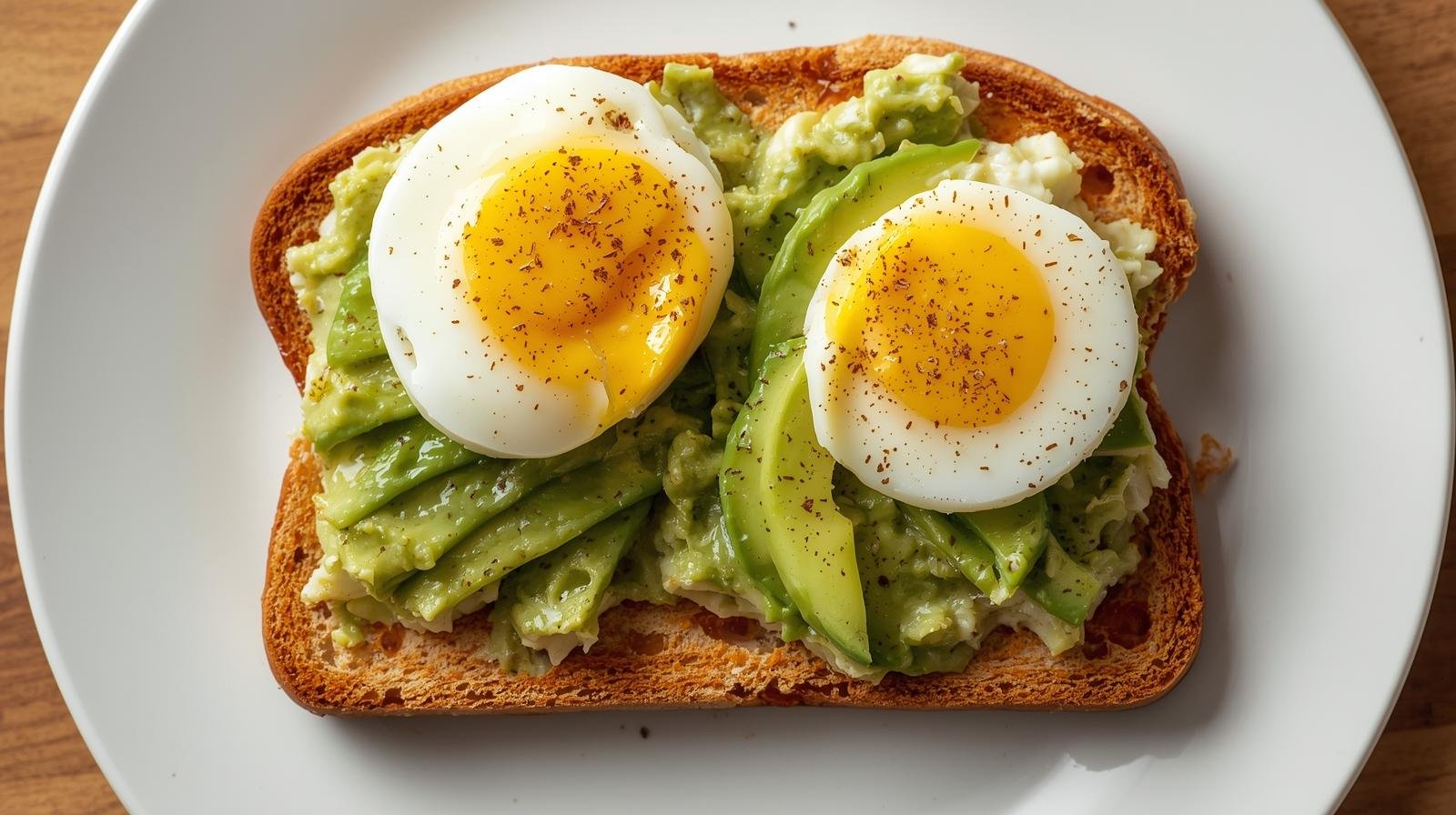
If you’re looking for 6 high protein breakfast recipes, you don’t actually need 20 fancy ingredients or a chef’s kitchen. These high protein breakfast recipes are built from everyday foods you already know and love—eggs, oats, yogurt, avocado, nuts, just combined in a smarter, protein-focused way.
Below are 4 famous, highly searched high-protein breakfasts that you can reuse across “6 days, 6 breakfasts” by swapping toppings and flavors. Each one includes: ingredients, step-by-step method, and approximate nutrition values so your blog feels expert and trustworthy.
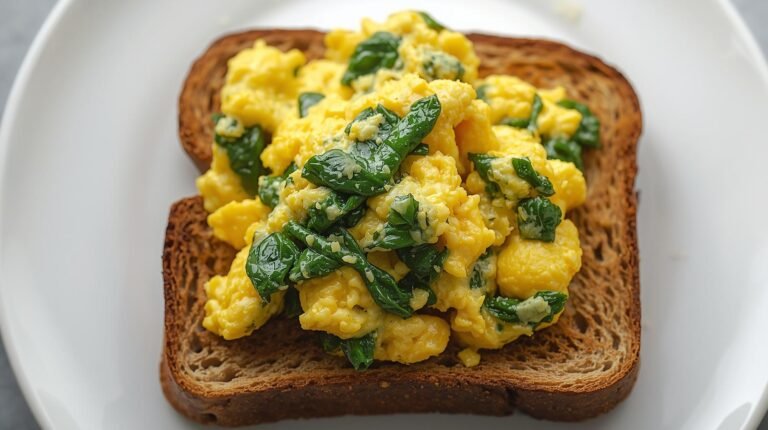
Eggs are a classic: 1 large egg gives about 6 g of complete protein and key nutrients like vitamin D, choline and B vitamins.
Adding spinach and whole-grain toast turns it into a balanced, high-protein meal that keeps you full much longer. A veggie scramble with toast can reach 22 g protein per serving.
Ingredients (1 serving)
- 2 large eggs (or 1 whole egg + 2 egg whites for higher protein)
- ½ cup fresh spinach, chopped
- ¼ cup mixed veggies (bell pepper, onion, tomato), finely chopped
- 1–2 tsp olive oil or butter
- Salt and black pepper to taste
- 1 slice whole-grain or sourdough bread
- Optional high-protein boost:
- 2 tbsp cottage cheese (adds ~5–6 g protein)
- 1 tbsp grated cheese for flavor
Step-by-step
Prep the veggies
Rinse and chop spinach and mixed veggies into small pieces for quick cooking.Toast the bread
Toast your whole-grain slice until golden and set aside.Sauté the vegetables
Heat olive oil/butter in a non-stick pan over medium heat.
Add chopped veggies and cook 2–3 minutes until slightly soft.
Add spinach and cook just until wilted.
Scramble the eggs
In a bowl, whisk eggs with a pinch of salt and pepper (and cottage cheese if using).
Pour into the pan over the veggies.
Stir gently with a spatula, scraping from the edges into the center until softly set.
Serve
Place scrambled eggs and veggies over or beside the toast.
Top with extra pepper or chili flakes.
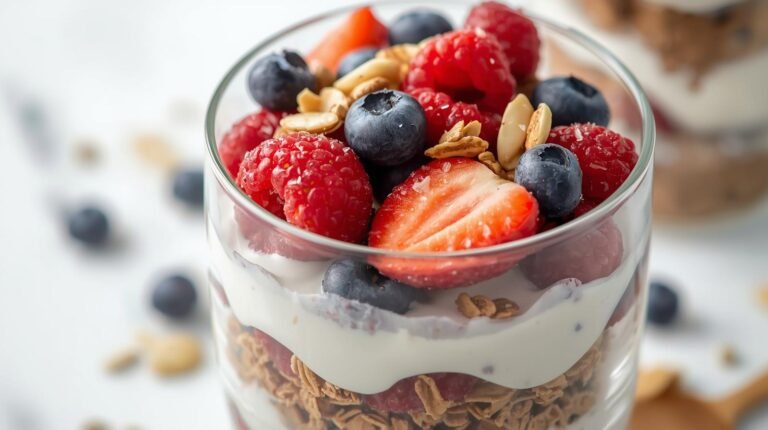
Greek yogurt is a star: many Greek yogurt parfaits deliver around 13–19 g protein per serving, plus calcium and potassium for bone and heart health.
Ingredients (1 serving)
¾–1 cup plain low-fat Greek yogurt
½–¾ cup mixed berries (strawberries, blueberries, raspberries)
¼ cup low-sugar granola or toasted oats
1 tbsp chopped nuts (almonds, walnuts or pistachios)
1 tsp chia seeds (optional, extra fiber + omega-3s)
1–2 tsp honey or maple syrup (optional)
¼ tsp vanilla extract (optional)
Step-by-step
Flavor the yogurt
In a bowl, stir Greek yogurt with vanilla and a tiny drizzle of honey/maple syrup if you like it sweeter.
Layer the parfait
In a glass or jar, add a layer of yogurt.
Add a layer of berries.
Sprinkle a little granola and nuts.
Repeat layers
Repeat yogurt → berries → granola/nuts until the jar is full.
Finish with a few berries, nuts and chia seeds on top.
Chill or serve immediately
You can eat it right away or chill for 10–20 minutes for a thicker texture.
Approximate nutrition
Calories: 230–300 kcal
Protein: 17–20 g
Carbs: 30–40 g
Fat: 5–9 g
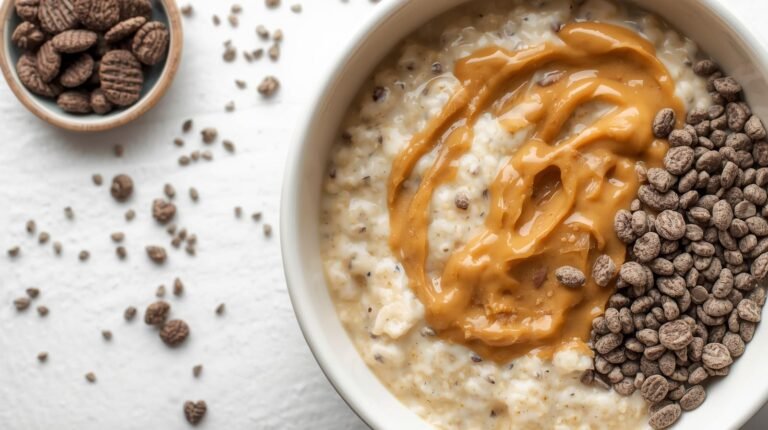
Overnight oats with Greek yogurt, high-protein milk and chia seeds can pack 15–35 g of protein per serving, depending on add-ins like protein powder or cottage cheese.
They’re also recommended as a blood sugar-friendly breakfast thanks to their fiber and beta-glucan content.
Ingredients (1 serving)
½ cup rolled oats
½ cup milk (cow’s or soy milk for more protein)
¼ cup Greek yogurt (optional but great for extra protein)
1 tbsp natural peanut butter (or almond butter)
1 tsp chia seeds
½ banana, sliced OR ¼ cup berries
½ tsp honey or maple syrup (optional)
Pinch of cinnamon and salt
Optional high-protein boost:
1–2 tbsp vanilla protein powder or 2 tbsp cottage cheese
Step-by-step
Mix the base
In a jar, add oats, milk, Greek yogurt, peanut butter, chia seeds, cinnamon and a tiny pinch of salt.
Stir really well so peanut butter isn’t stuck at the bottom.
Sweeten & top
Add a little honey/maple syrup if you want sweetness.
Stir again.
Top with sliced banana or berries (you can also add fruits in the morning instead).
Refrigerate overnight
Cover the jar and refrigerate at least 4–5 hours, ideally overnight.
The oats and chia will soften and thicken.
Serve cold or warm
In the morning, stir, add a splash of milk if it’s too thick, and enjoy cold.
Or microwave 30–60 seconds if you like it warm, adding extra liquid as needed.Wholefood Soulfood Kitchen
Approximate nutrition (with Greek yogurt, peanut butter, chia, no protein powder)
Calories: 350–420 kcal
Protein: 15–25 g (more with protein powder)
Carbs: 40–50 g
Fat: 12–18 g
Why it works:
Oats + yogurt + peanut butter + chia = complex carbs, high protein and healthy fats in one jar. It’s a perfect meal-prep high protein breakfast you can make for 3–4 days at once.
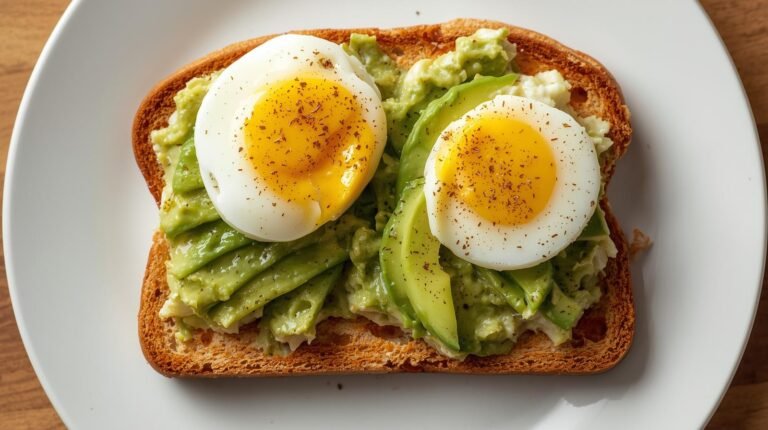
Avocado toast is everywhere for a reason: it delivers fiber, healthy monounsaturated fats and potassium. A typical avocado toast can have 7 g of protein on its own, which jumps to 12–18 g when you add an egg.
Ingredients (1 serving)
1 slice whole-grain or sourdough bread
½ ripe avocado
1 large egg (poached, fried or scrambled)
1–2 tsp lemon juice
Salt and pepper to taste
Optional toppings:
Chili flakes
Everything bagel seasoning
1 tbsp crumbled feta or cottage cheese for more protein
Step-by-step
Toast the bread
Toast your bread until crisp and lightly golden.
Make the avocado spread
In a small bowl, mash the avocado with lemon juice, salt and pepper.
You can add chili flakes or garlic powder for extra flavor.
Cook the egg
Choose your favorite style:Poached: Simmer water with a splash of vinegar, swirl gently, drop in the egg and cook 3–4 min.
Fried: Cook in a non-stick pan with a touch of oil or butter, sunny-side up or over-easy.
Scrambled: Whisk egg with salt, scramble in a non-stick pan.
Assemble
Spread mashed avocado over toast.
Place the egg on top.
Add optional feta or cottage cheese, seasoning, or herbs.
Approximate nutrition (1 toast + egg, no cheese)
Calories: ~230–320 kcal
Protein: ~12–15 g
Carbs: ~20–23 g
Fat: ~10–23 g (depends on avocado amount and cooking fat)
Why it works:
This is a high protein, high fiber breakfast with healthy fats that support heart health and help you stay full for hours. Great option for people who want a trendy yet nutrient-dense morning meal.
1. How much protein should a high protein breakfast have?
Many dietitians suggest aiming for about 20–30 g of protein at breakfast to support muscle health, satiety and stable blood sugar, especially if you’re active or trying to lose fat without losing muscle.
You can reach this by combining eggs + yogurt, or oats + nut butter + Greek yogurt, instead of relying on just one food.
2. Are high protein breakfasts good for weight loss?
Yes, higher protein breakfasts help reduce hunger and mindless snacking by keeping you fuller for longer and stabilizing blood sugar. Overnight oats with added protein, Greek yogurt parfaits and egg-based breakfasts are often recommended in weight-management plans.
3. What is the best high protein breakfast without protein powder?
All four recipes above are perfect if you don’t want protein powder:
- Scrambled eggs with spinach and toast
- Greek yogurt berry parfait
- Peanut butter & chia overnight oats (using Greek yogurt + milk instead of powder)
- Avocado & egg toast
You still get 15–25 g of protein from whole foods.
Leave a Reply