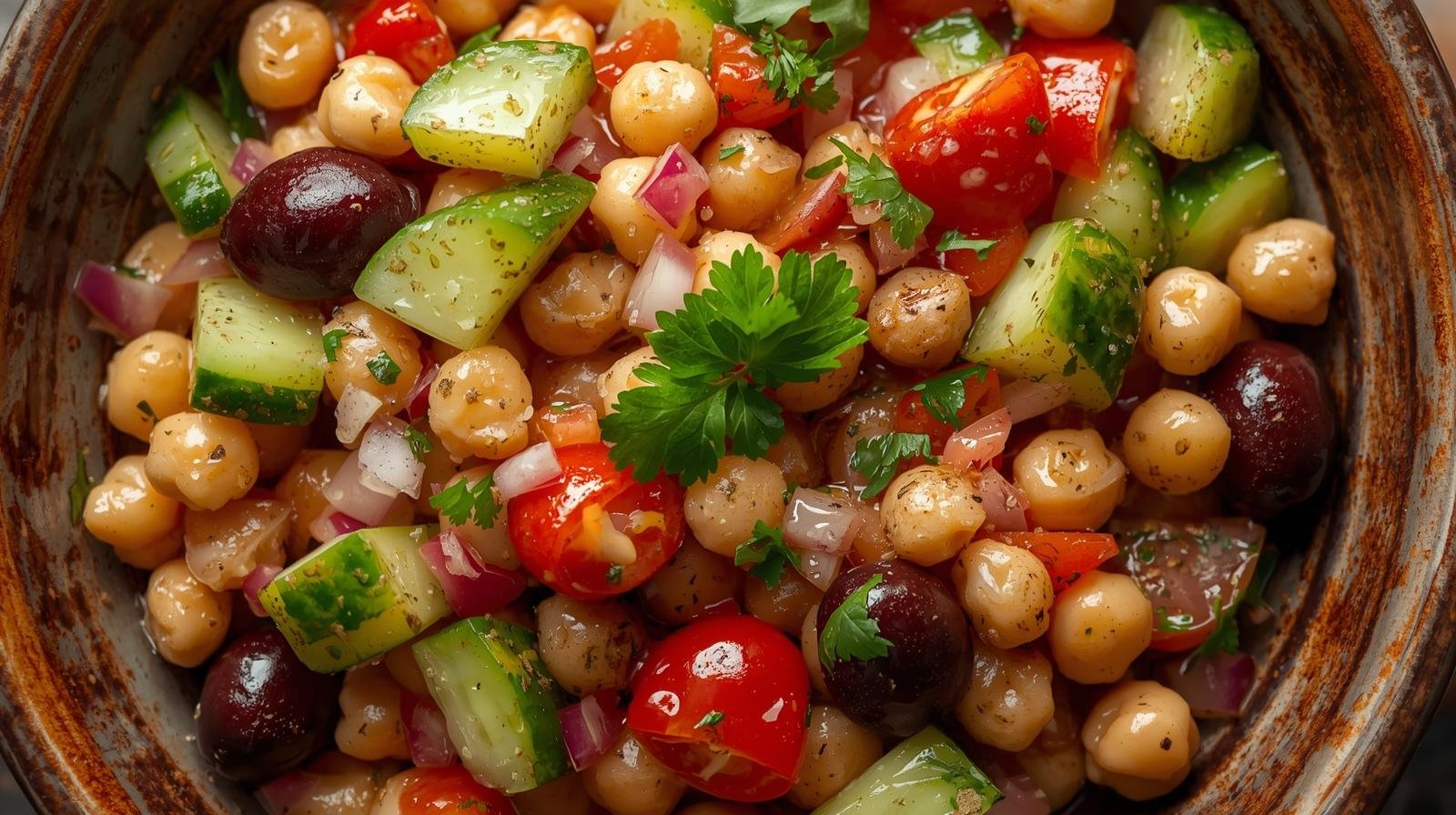
A Mediterranean diet for fatty liver is one of the most researched and recommended eating patterns to reduce liver fat and protect long-term liver health. When doctors talk about lifestyle changes for MASLD/NAFLD (metabolic dysfunction–associated steatotic liver disease), the Mediterranean diet for fatty liver is usually at the top of the list.
Fatty liver (now often called MASLD) affects roughly 1 in 4 adults worldwide and is closely linked with weight, insulin resistance, and metabolic health.
Major liver and metabolic guidelines now highlight Mediterranean-style eating as a core part of treatment: lots of vegetables, fruits, whole grains, legumes, nuts, olive oil, and fish, with very little processed food, sugar, and refined carbs.
- Mediterranean diet patterns reduce liver fat and improve insulin sensitivity in people with fatty liver.
- A “green” Mediterranean diet (more greens, nuts, green tea) cut NAFLD prevalence by about 50% and significantly reduced intrahepatic fat in randomized trials.
- Long-term adherence to the Mediterranean diet is associated with slower MASLD progression and better metabolic outcomes.
Why it works for the liver:
- Lower in saturated and trans fats
- Higher in unsaturated fats (olive oil, nuts, fish) that reduce inflammation and improve fat metabolism in the liver
- High in fiber, which supports blood sugar control, gut health, and satiety
- Naturally lower in fructose-laden sugary drinks and ultra-processed foods that worsen fatty liver
1. Focus on whole, minimally processed foods
- Vegetables and fruits at most meals
- Whole grains (oats, barley, brown rice, quinoa)
- Legumes (beans, lentils, chickpeas)
2. Choose healthy fats
- Extra-virgin olive oil as your main added fat
- Nuts and seeds in small handfuls
- Avocado
- Fatty fish (salmon, sardines, mackerel) 1–2+ times per week
3. Limit liver-stressors
- Sugary drinks (soda, sweetened juices, energy drinks)
- Large amounts of white bread, sweets, pastries
- Processed meats, excess red meat
- Alcohol – often advised to be minimal or zero in fatty liver unless your doctor says otherwise
4. Target gradual weight loss
- Guidelines consistently emphasize modest, sustainable weight loss (even 5–10% of body weight) to improve liver fat, especially when combined with Mediterranean-style eating and exercise.
Nutrition values below are approximate per serving and will vary by brand and portion size. Think of them as helpful estimates, not exact numbers.
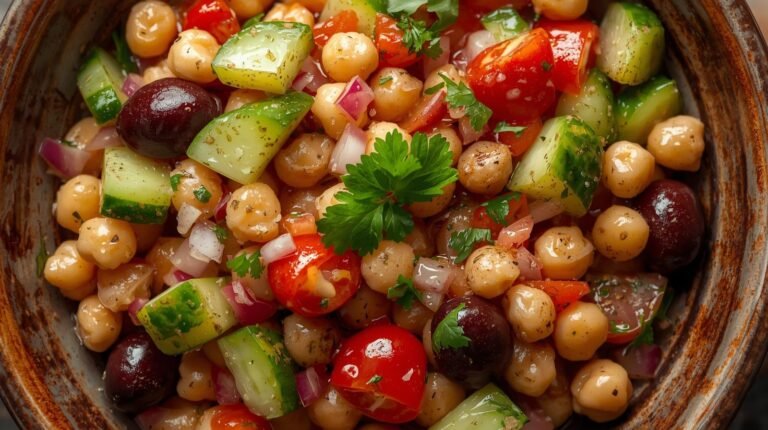
Why it’s liver-friendly:
- High in fiber from chickpeas and veggies
- Uses extra-virgin olive oil instead of creamy dressings
- Packed with antioxidants and plant compounds
Ingredients (2 servings)
- 1 cup cooked chickpeas (or canned, drained and rinsed)
- 1 cup cucumber, diced
- 1 cup cherry tomatoes, halved
- ¼ small red onion, thinly sliced
- ¼ cup fresh parsley, chopped
- 2 tbsp extra-virgin olive oil
- Juice of ½ lemon
- ¼ tsp dried oregano
- Salt and pepper to taste
How to make it
- In a bowl, combine chickpeas, cucumber, tomatoes, onion, and parsley.
- In a small jar, whisk olive oil, lemon juice, oregano, salt, and pepper.
- Pour dressing over salad, toss gently, and let sit 5–10 minutes for flavors to blend.
Approx. nutrition per serving
- 280–320 kcal
- 8–10 g protein
- 16–18 g fat (mostly monounsaturated from olive oil)
- 28–32 g carbs
- 8–10 g fiber
This is a perfect Mediterranean diet for fatty liver lunch side or light meal, especially if you’re cutting back on processed meats and refined carbs.
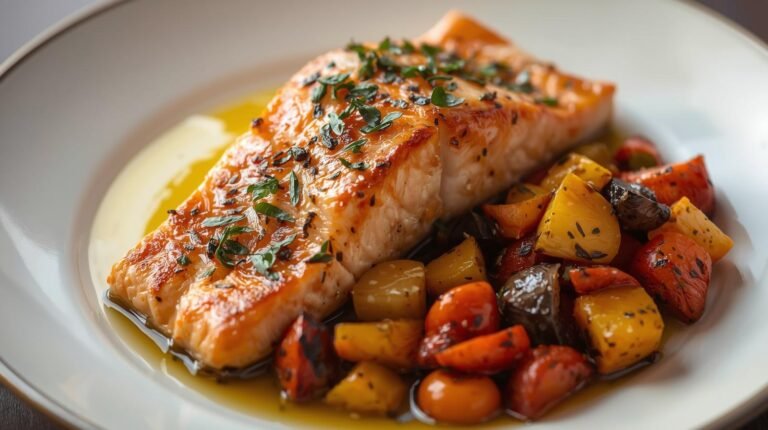
Why it’s liver-friendly:
- Salmon is rich in omega-3 fats, which can reduce inflammation and may support healthier liver fat metabolism.
- Roasting with olive oil and herbs keeps things simple and unprocessed.
Ingredients (2 servings)
- 2 salmon fillets (120–150 g each)
- 1 tbsp extra-virgin olive oil
- 1 tsp dried oregano or thyme
- 1 clove garlic, minced
- 1 lemon (½ sliced, ½ for juice)
- 2 cups mixed vegetables (broccoli, bell peppers, zucchini)
- Salt and pepper
How to make it
- Preheat oven to 200 °C / 400 °F.
- Toss vegetables with half the olive oil, half the garlic, salt, and pepper. Spread on a baking tray.
- Place salmon fillets on top. Drizzle with remaining olive oil, garlic, oregano, and a squeeze of lemon juice.
- Add lemon slices on top of salmon.
- Bake 12–15 minutes until salmon flakes easily and veggies are tender.
Approx. nutrition per serving (fish + veg)
- 380–450 kcal
- 28–32 g protein
- 22–25 g fat (mostly unsaturated)
- 12–18 g carbs
- 4–6 g fiber
This is a textbook Mediterranean fatty liver dinner: high in good fats, high-quality protein, and vegetables.
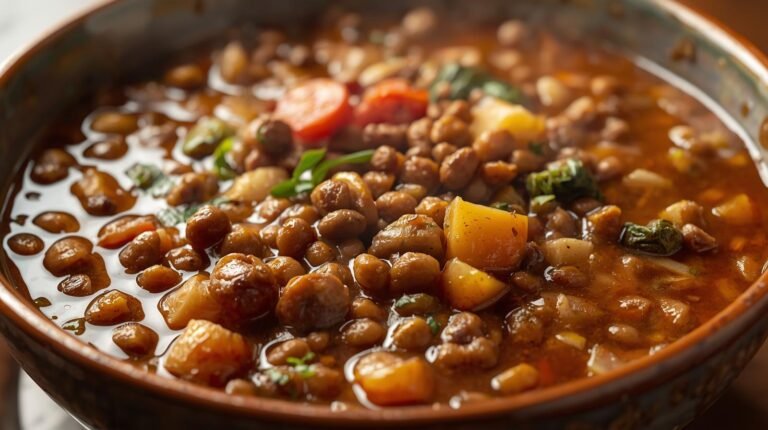
Why it’s liver-friendly:
- Lentils are rich in fiber and plant protein, which support insulin sensitivity and weight management.
- Very low in saturated fat.
Ingredients (3 servings)
- 1 cup dry lentils, rinsed
- 1 tbsp extra-virgin olive oil
- 1 small onion, diced
- 1 carrot, diced
- 1 celery stalk, diced
- 2 cloves garlic, minced
- 1 can (400 g) diced tomatoes (no added sugar)
- 3–4 cups low-sodium vegetable broth or water
- 1 tsp ground cumin or mixed Italian herbs
- Salt and pepper
How to make it
- Heat olive oil in a pot over medium heat.
- Sauté onion, carrot, and celery for 5–7 minutes until softened.
- Add garlic and spices; cook 30 seconds.
- Stir in lentils, tomatoes, and broth. Bring to a boil, then simmer 25–30 minutes until lentils are tender.
- Season to taste. You can blend part of the stew for a creamier texture if you like.
Approx. nutrition per serving
- 300–340 kcal
- 16–18 g protein
- 7–9 g fat
- 45–50 g carbs
- 12–15 g fiber
This makes a fantastic fatty liver diet plan lunch, especially when you’re trying to replace refined carbs and red meat.
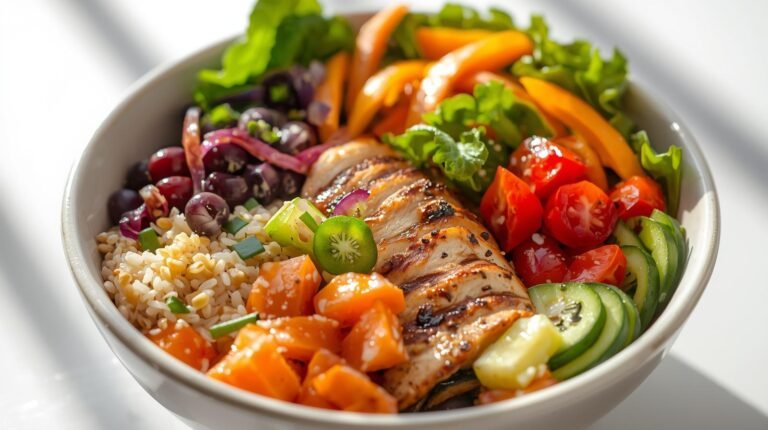
Why it’s liver-friendly:
- Barley is a whole grain rich in soluble fiber, which supports cholesterol and blood sugar control.
- Balanced bowl: whole grain + lean protein + lots of veg + olive oil.
Ingredients (2 servings)
- 1 cup cooked barley (from ½ cup dry)
- 200 g grilled chicken breast or firm tofu, sliced
- 1 cup cherry tomatoes, halved
- 1 cup mixed leafy greens or rocket
- ½ small cucumber, sliced
- 2 tbsp extra-virgin olive oil
- Juice of ½ lemon
- ½ tsp dried oregano or mixed herbs
- Salt and pepper
How to make it
- Prepare barley according to package directions and let it cool slightly.
- Grill or pan-sear chicken/tofu with a bit of olive oil, salt, and pepper until cooked through.
- In a bowl, whisk olive oil, lemon juice, herbs, salt, and pepper.
- Assemble bowls: barley as the base, then chicken/tofu, tomatoes, greens, cucumber.
- Drizzle with dressing and toss gently.
Approx. nutrition per serving (with chicken)
- 450–520 kcal
- 30–35 g protein
- 16–20 g fat
- 45–50 g carbs
- 8–10 g fiber
This is a great Mediterranean diet meal plan for fatty liver option when you need something filling that won’t spike your blood sugar.
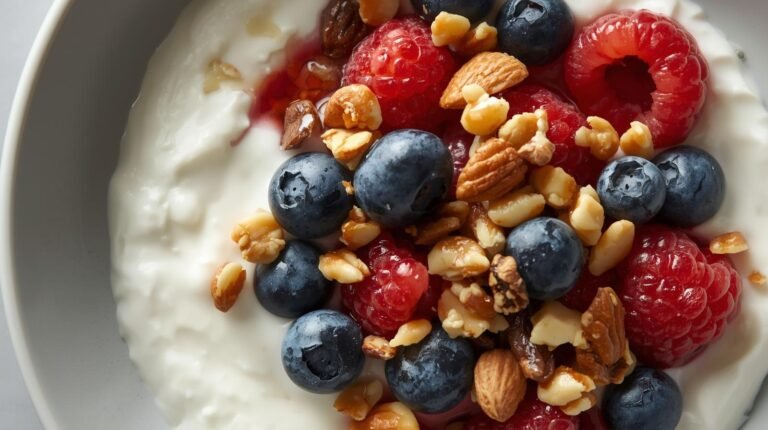
Why it’s liver-friendly:
- Plain Greek yogurt is high in protein and lower in lactose than regular yogurt.
- Nuts provide healthy fats; berries add antioxidants and fiber.
Ingredients (1 serving)
- ¾ cup plain Greek yogurt (0–2% fat)
- ¼ cup mixed berries (fresh or frozen, unsweetened)
- 1 tbsp chopped walnuts or almonds
- ½ tsp honey or none, if you’re limiting sugars
How to make it
- Add yogurt to a bowl.
- Top with berries and nuts.
- Add a tiny drizzle of honey if needed.
Approx. nutrition per serving
- 220–260 kcal
- 15–20 g protein
- 9–12 g fat (mostly unsaturated)
- 18–22 g carbs
- 3–4 g fiber
A smart Mediterranean dessert when you’re avoiding sugary cakes, pastries, and ice cream that can worsen fatty liver.
1) Is the Mediterranean diet good for fatty liver disease?
Yes. Multiple studies and guidelines support the Mediterranean diet for fatty liver, showing improvements in liver fat, insulin sensitivity, and metabolic health—especially when combined with weight loss and physical activity.
2) What foods should I avoid on a Mediterranean diet for fatty liver?
Limit or avoid:
Sugary drinks and fruit juices
Sweets, pastries, and white bread
Processed meats and large amounts of red meat
Deep-fried and ultra-processed foods
Alcohol (often advised to be minimized or eliminated in fatty liver)
3) How fast can the Mediterranean diet improve fatty liver?
Some trials show improvements in liver fat and insulin resistance within 3–6 months with good adherence and weight loss, but results vary by person. It’s a long-term lifestyle, not a quick fix.
Leave a Reply