Gastric inflammation can turn every meal into a worry. The good news? Certain gastric inflammation–friendly foods are naturally soothing, easy to digest, and can fit into simple recipes you can eat every day.
Below are 4 famous, gut-friendly foods (oats, rice & pumpkin, papaya, sweet potato) turned into practical recipes with:
Step-by-step instructions
- Approximate nutrition values
- Evidence-based notes on why they may help gastric inflammation
Important: Gastric inflammation (gastritis, atrophic gastritis, etc.) is a medical condition. Diet can support healing, but it doesn’t replace diagnosis or treatment. Always follow your doctor’s advice, especially if you have H. pylori, ulcers, anemia, or severe pain.

Why this may help
- Oats are rich in soluble fiber (beta-glucan) which forms a gentle gel in the stomach and may help protect the gastric lining and support digestion.
- Bananas are non-acidic, low-fat fruits that are often recommended in gastritis diets; some guides note they may help reduce gastric juice and irritation in sensitive stomachs.
- This recipe is low in fat, low in acid, and easy to chew—ideal for a gastric inflammation–friendly breakfast.
Ingredients (1 serving)
- ½ cup rolled oats
- 1 cup water or low-fat milk / unsweetened plant milk
- ½ ripe banana, sliced or mashed
- 1 tsp almond butter or peanut butter (optional, if tolerated)
- ½ tsp cinnamon (skip if it bothers you)
- Small pinch of salt (optional)
Step-by-step
- Cook the oats
- Add oats and water/milk to a small saucepan.
- Bring to a gentle boil, then reduce heat and simmer 5–7 minutes, stirring until creamy.
- Add banana
- Stir in mashed banana during the last 1–2 minutes for a very soft texture
- or top with sliced banana at the end if you prefer light sweetness on top.
- Flavor gently
- Add a pinch of cinnamon if you tolerate it.
- Stir in a teaspoon of nut butter for extra calories and creaminess (skip during very acute flares if high fat triggers symptoms).
- Serve warm
- Let it cool slightly; very hot food can sometimes aggravate sensitive stomachs.
Approximate nutrition (with water, banana, 1 tsp almond butter)
- Calories: 260–300 kcal
- Carbs: 45–50 g
- Protein: 7–9 g
- Fat: 5–7 g
- Fiber: 5–7 g (mostly from oats + banana)
Why this may help
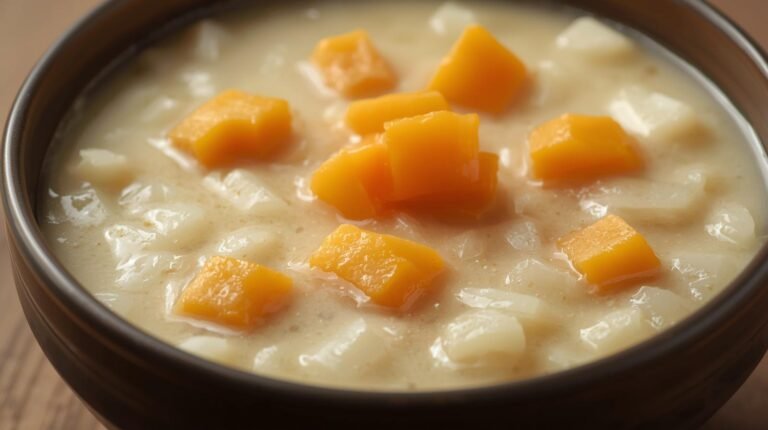
White rice in soft, porridge form is a classic “bland diet” food—low in fat, low in fiber, very gentle on an irritated stomach. Many gastritis meal plans use soft rice dishes.
Pumpkin is recommended in some gastritis-friendly food lists; it’s soft when cooked, rich in vitamin A and fiber, but usually not harsh or acidic.
Cooking everything into a congee (rice porridge) makes it easier to digest and soothing for gastric inflammation.
Ingredients (2 light servings)
- ¼ cup white rice, well rinsed
- 1 cup pumpkin cubes (fresh or frozen)
- 3 cups water or low-sodium vegetable broth
- ½ tsp salt (optional; skip during acute flares or if you need low sodium)
- ½–1 tsp olive oil (optional, for flavor and extra calories)
Step-by-step
Rinse the rice
- Rinse under cold water until the water runs mostly clear. This removes excess starch and impurities.
- Cook rice & pumpkin together
- In a small pot, add rice, pumpkin and water/broth.
- Bring to a boil, then reduce heat to low.
Simmer into congee
- Cover partly and cook 30–40 minutes, stirring occasionally.
- Add more water if needed. The texture should become very soft and soupy.
Mash & finish
- Once the pumpkin is very tender, lightly mash it into the rice with a spoon.
- Add a small drizzle of olive oil and salt if tolerated.
Serve warm
- Eat in small, slow bites. This can be a light lunch or dinner for days when gastric inflammation is active.
- Approximate nutrition (per serving, ½ pot)
- Calories: 130–170 kcal
- Carbs: 28–32 g
- Protein: 3–4 g
- Fat: 2–4 g
- Fiber: 3–4 g (mostly from pumpkin)

Why this may help
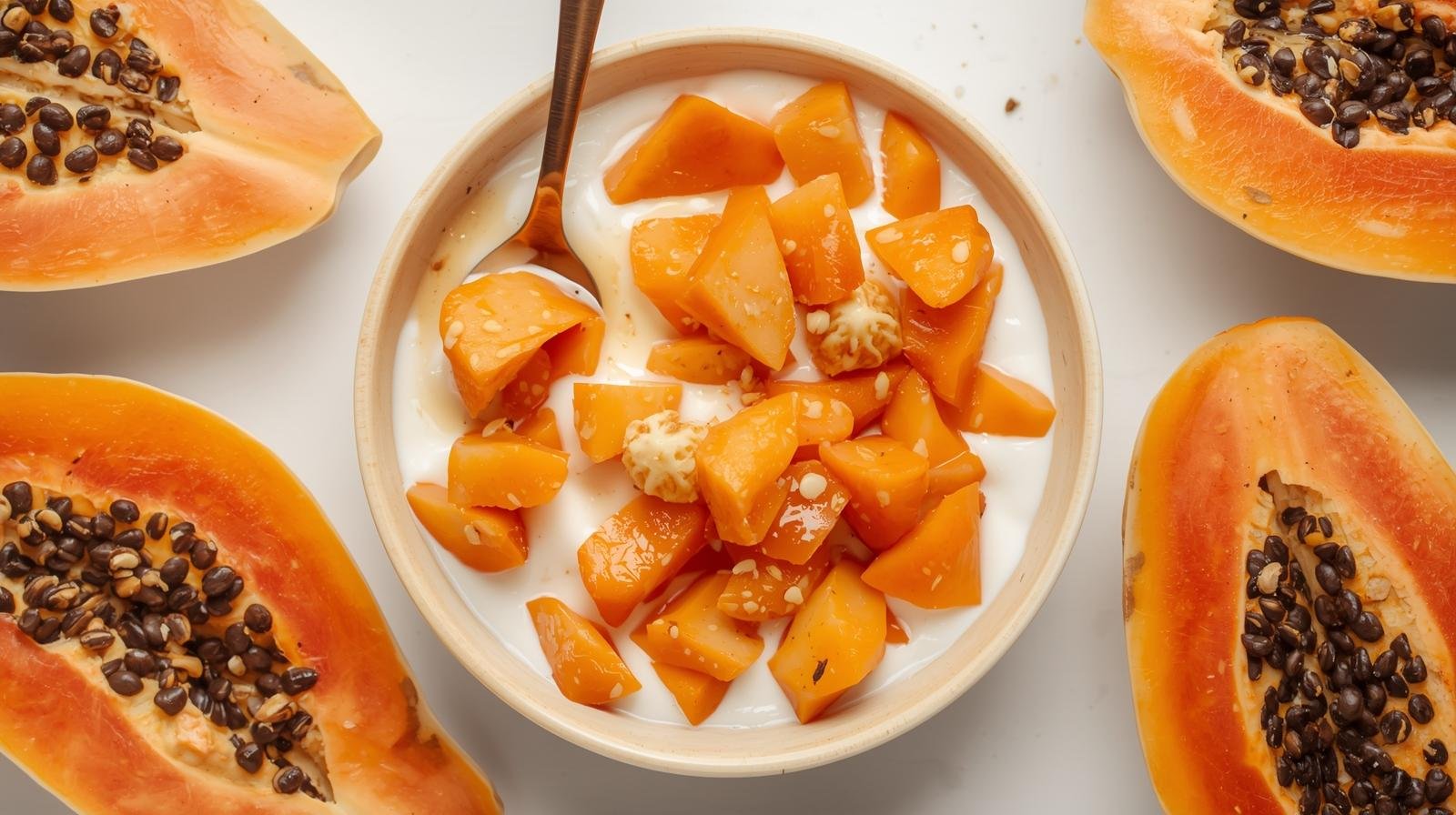
- Papaya is rich in vitamin C, carotenoids and digestive enzymes like papain. Reviews describe it as a gut-health powerhouse that may reduce bloating and support digestion.
- Some studies show papaya-based formulas improved constipation and bloating over several weeks, which can indirectly support a calmer gut.
- Low-fat yogurt provides protein and probiotics, which may help support the gut microbiome; yogurt appears in multiple gastritis diet lists as a generally tolerated food (if lactose is not an issue).
⚠️ Note: Some people with gastric inflammation are sensitive to dairy or high-fat foods. Emphasize low-fat, unsweetened yogurt and note that readers can swap to a fortified plant yogurt with live cultures if needed.
Ingredients (1 serving)
- ¾ cup plain low-fat yogurt (or unsweetened plant yogurt with live cultures)
- ½–1 cup ripe papaya cubes
- 1–2 tbsp very soft, cooked oats or 1 tbsp ground flaxseed (optional for extra fiber if tolerated)
- 1 tsp honey or maple syrup (optional)
- A few soft banana slices (optional, for extra sweetness)
Step-by-step
Prep papaya
- Peel, deseed and cut papaya into small, soft cubes. Ripe papaya should be orange and slightly soft.
Build the bowl
- Add yogurt to a bowl.
- Stir in a spoon of soft cooked oats or ground flax if you want more fiber and thick texture.
Add fruit
- Top with papaya cubes and optional banana slices.
Sweeten gently
- Drizzle a small amount of honey/maple syrup if you like a sweeter taste (skip if added sugar triggers symptoms).
Serve cool, not icy
- Ice-cold foods sometimes increase discomfort in very sensitive stomachs, so serve lightly chilled.
Approximate nutrition (with yogurt + papaya, no honey)
- Calories: 200–230 kcal
- Carbs: 30–35 g
- Protein: 8–10 g
- Fat: 3–4 g
- Fiber: 3–4 g (from papaya + optional oats/flax)
Why this may help
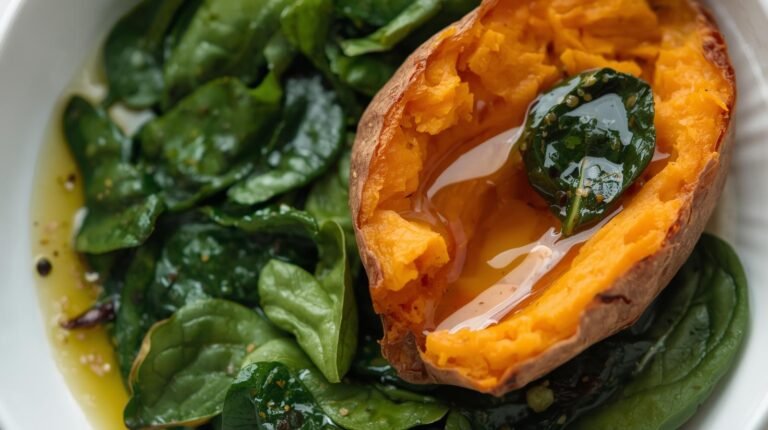
- Sweet potatoes appear in many “best foods for gastritis recovery” lists; they’re soft, nourishing, and provide complex carbs, fiber, and beta-carotene with low acidity.
- Spinach gives extra vitamins (like folate and vitamin K) and gentle fiber if cooked thoroughly.
- Olive oil offers healthy fats and polyphenols that are often included in anti-inflammatory eating patterns.
Ingredients (1 serving)
- 1 medium sweet potato
- ½–1 cup fresh spinach, washed
- 1–2 tsp extra virgin olive oil
- Pinch of salt (optional)
(Skip pepper, chili flakes, garlic, or heavy spices if you’re writing for readers with active gastric inflammation.)
Step-by-step
Bake the sweet potato
- Preheat oven to 200°C / 400°F.
- Wash the sweet potato and prick the skin several times with a fork.
- Bake on a tray for 40–60 minutes, until very soft when pierced.
Wilt the spinach
- In a small pan, add 1 tsp olive oil on low heat.
- Add spinach and cook 1–2 minutes until just wilted and very soft.
- Add a tiny pinch of salt if tolerated.
Assemble the plate
- Cut the baked sweet potato open and lightly mash the inside with a fork.
- Drizzle with ½–1 tsp olive oil.
- Top or serve with the wilted spinach on the side.
Serve warm
- This can be a light dinner on days when gastric inflammation is flaring and heavier foods are uncomfortable.
Approximate nutrition (whole dish)
- Calories: 220–260 kcal
- Carbs: 40–45 g
- Protein: 4–5 g
- Fat: 7–10 g (depending on olive oil amount)
- Fiber: 5–7 g (mostly from sweet potato + spinach)
1. What is gastric inflammation in simple words?
Gastric inflammation usually refers to gastritis, irritation and inflammation of the stomach lining. It can be short-term (acute) or long-lasting (chronic, like atrophic gastritis), and common causes include H. pylori infection, long-term use of NSAIDs, heavy alcohol intake, and autoimmune conditions.
2. Can food cure gastric inflammation by itself?
No. Diet can support healing and reduce symptoms, but it cannot cure infections or serious damage on its own. For example, H. pylori–related gastritis usually needs antibiotics and acid-lowering medicines, plus lifestyle changes.
3. What foods often make gastric inflammation worse?
- Common triggers (which vary by person) include:
- Very spicy foods (chili, hot sauces)
- Deep-fried and very fatty foods
- Excess coffee, strong tea, energy drinks
- Alcohol
- Very acidic foods (citrus, tomato-heavy sauces)
Many gastritis diet guides recommend lighter, home-cooked meals with lower fat and spice while inflammation settles.
Leave a Reply