Anti inflammatory foods and supplements can be a smart combo—if you use supplements to support a strong food foundation, not replace it.
Anti inflammatory diet supplements work best when your meals already look Mediterranean-style: more plants, more fiber, healthy fats, and less ultra-processed food.
One important reality check: the NIH notes that many dietary supplements have limited evidence for safety/efficacy, so “natural” doesn’t automatically mean “risk-free.”
Inflammation is part of normal immune defense. The nutrition goal is to reduce chronic, low-grade inflammation by:
eating more whole foods (plants, legumes, fish, olive oil)
reducing ultra-processed foods and excess added sugar
supporting gut health with fiber and fermented foods
Supplements can be useful for specific goals, but they aren’t automatically safe for everyone.
The NIH fact sheet summarizes omega-3 types and how they’re obtained (EPA/DHA from seafood; ALA from plants).
Research in certain contexts shows omega-3s can influence inflammation markers (example: a clinical trial reported reduced CRP in a specific high-risk group).
Best “food-first” approach: aim for fatty fish regularly; consider supplements if you rarely eat fish, but discuss with a clinician if you take blood thinners or have bleeding risk.
NCCIH’s turmeric page emphasizes both potential usefulness and safety considerations.
A key caution: reputable medical sources note turmeric/curcumin supplements may increase bleeding risk when combined with certain blood thinners (like warfarin).
Food-first tip: using turmeric as a spice in cooking is generally gentler than high-dose supplements.
In inflammatory joint conditions (like rheumatoid arthritis), reviews discuss marine oils/fish oil as having small favorable effects for some outcomes—though guidance varies and more research is often needed.
Bottom line: supplements can support—but they don’t replace—medical care for inflammatory diseases.
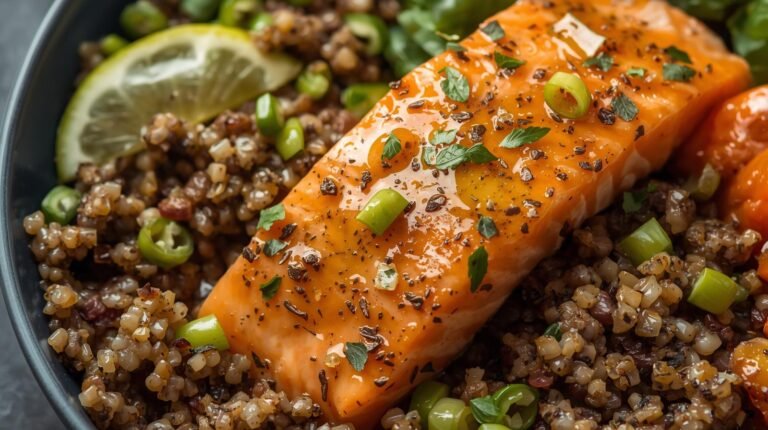
Why it works: fish omega-3s + fiber + polyphenol-rich olive oil.
Build: quinoa + spinach + cucumber/tomato + salmon + olive oil + lemon + pepper.
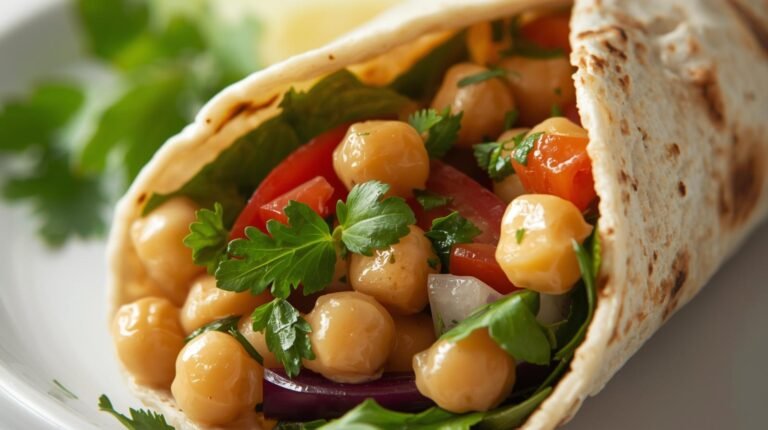
Why it works: legumes + vegetables + olive oil = repeatable anti-inflammatory base.
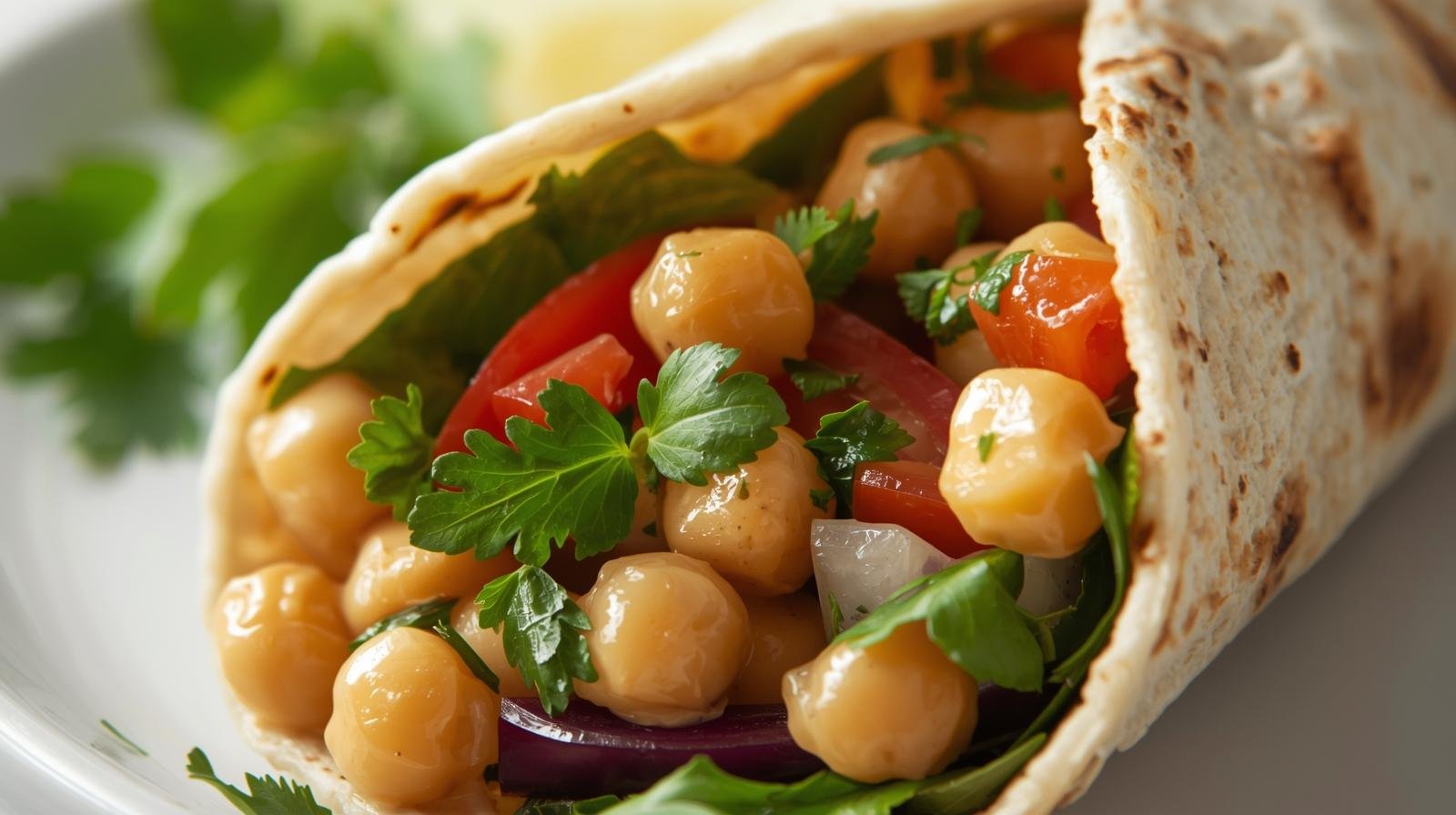
Build: chickpeas + chopped veg + parsley + olive oil + lemon + whole-grain wrap.
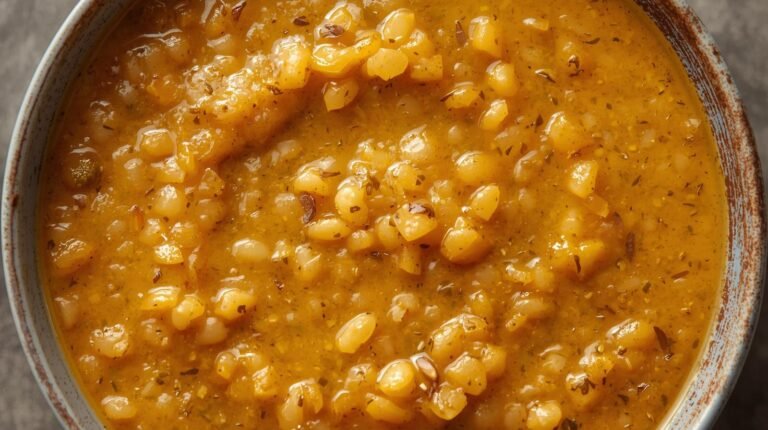
Why it works: lentils (fiber/protein) + turmeric/ginger flavor without relying on supplements.
Build: onion/garlic + lentils + carrots + turmeric + ginger + black pepper + lemon.
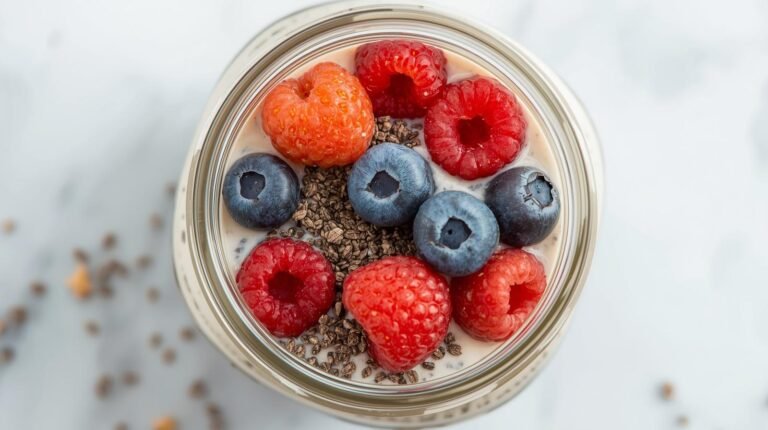
Why it works: oats + berries + chia/flax is an easy daily habit.
Build: rolled oats + milk/soy milk + chia + berries + cinnamon + walnuts.
Start with foods (Mediterranean-style pattern) and consider omega-3 if you rarely eat fish; be cautious with turmeric/curcumin supplements.
No. NIH and medical sources emphasize that supplements can have side effects and interactions; turmeric/curcumin can interact with blood thinners.
Evidence is mixed depending on the condition and formulation, and safety matters—NCCIH highlights usefulness and safety considerations.
Leave a Reply