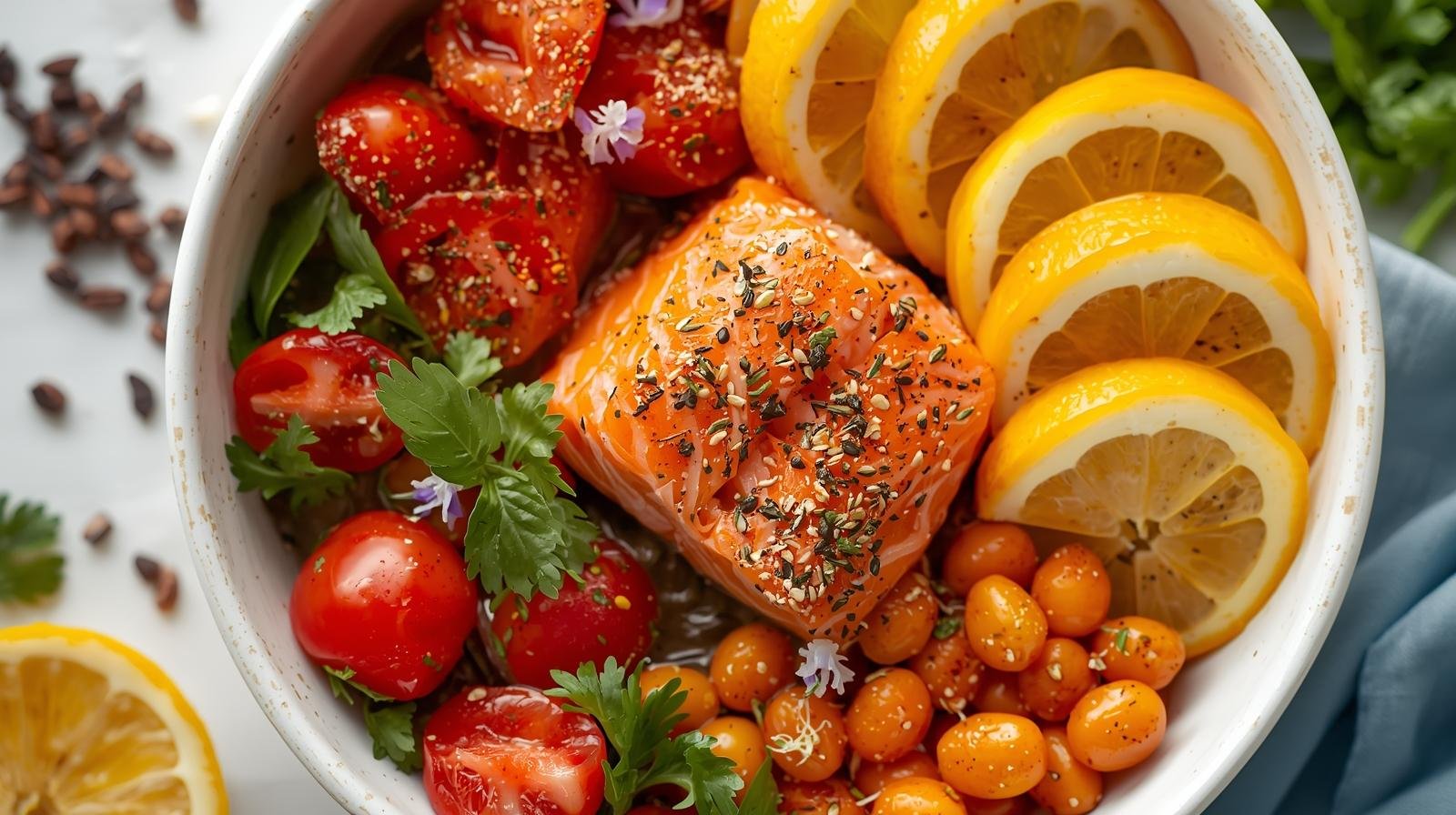
Vitamin D supplement choices can feel confusing—D2 vs D3, IU vs mcg, “high dose” trends, and mixed advice online.
Vitamin D matters because it helps your body absorb calcium for strong bones and also supports muscle and immune function.
Vitamin D is a fat-soluble vitamin. Your body can make it when UV rays hit your skin, and you can also get it from foods and supplements.
Key roles that are well supported:
Helps calcium absorption and supports normal bone mineralization (helps prevent rickets in children and osteomalacia in adults).
Supports neuromuscular and immune function (not a cure-all, but it’s involved).
In foods and supplements, vitamin D comes mainly as:
D2 (ergocalciferol)
D3 (cholecalciferol
Both are absorbed in the small intestine, and dietary fat can enhance absorption.
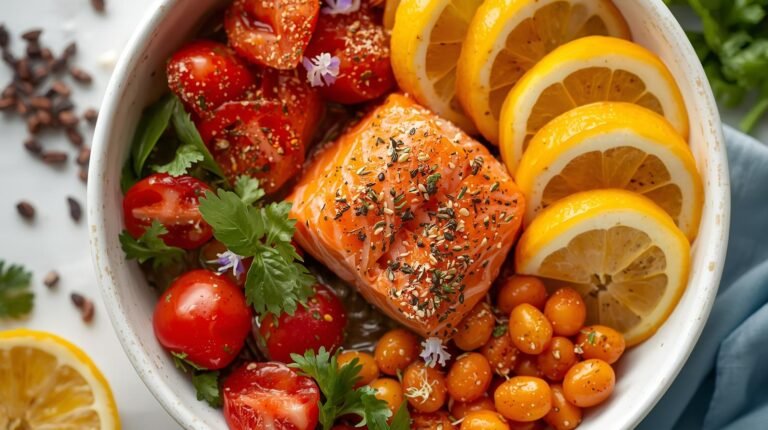
Baked salmon + quinoa
Spinach, cucumber, tomatoes
Olive oil + lemon dressing
Salmon is repeatedly listed as a top vitamin D food.
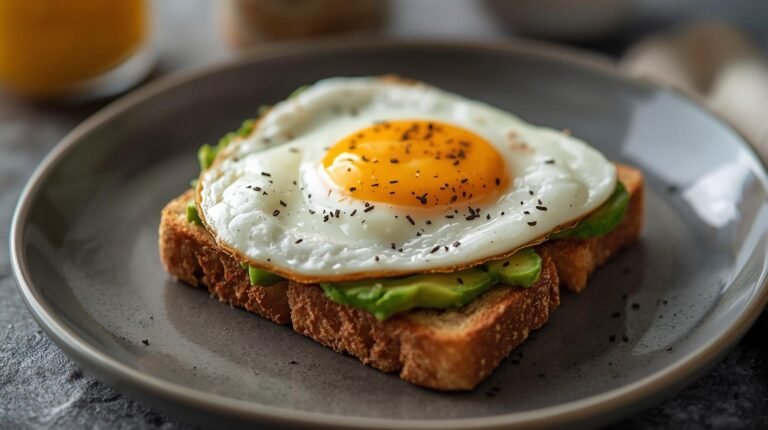
2 eggs (soft scramble or boiled)
Whole-grain toast + avocado
Side berries or tomato salad
Egg yolks provide small but meaningful vitamin D compared with many plant foods.
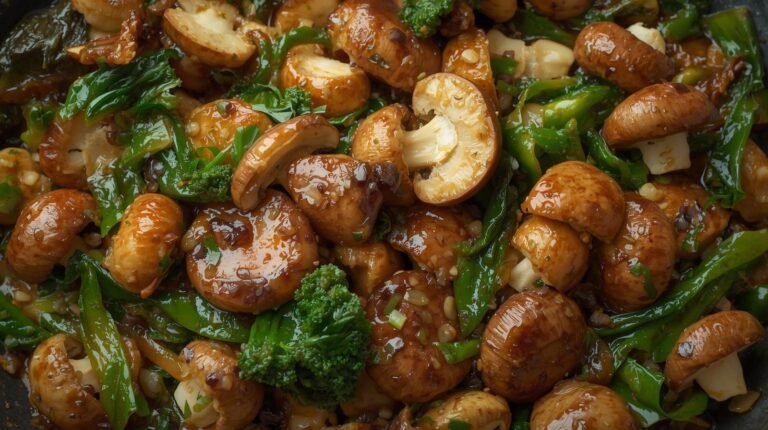
2 eggs (soft scramble or boiled)
Whole-grain toast + avocado
Side berries or tomato salad
Egg yolks provide small but meaningful vitamin D compared with many plant foods.
2 eggs (soft scramble or boiled)
Whole-grain toast + avocado
Side berries or tomato salad
Egg yolks provide small but meaningful vitamin D compared with many plant foods.
Mediterranean-style and DASH-style patterns are strongly supported; AHA guidance emphasizes overall dietary patterns focused on plants, healthy fats, and less saturated fat/sodium.
Limit ultra-processed foods high in sodium, added sugars, and saturated fat; AHA recommends checking labels and choosing options lower in these.
AHA advises aiming for <6% of total calories from saturated fat for people who need to lower cholesterol.
Leave a Reply