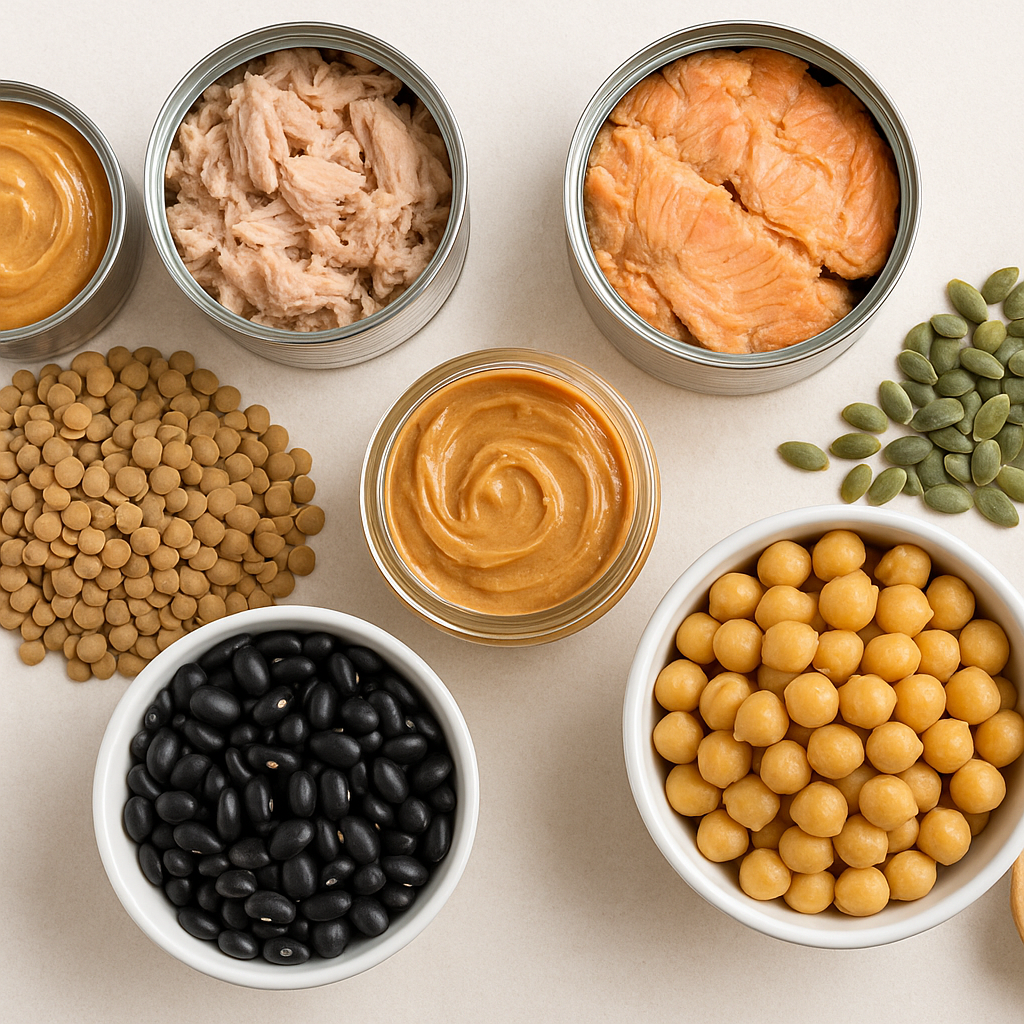
Why High-Protein Foods Belong in Your Pantry
When it comes to eating well, stocking up on the right staples makes all the difference. That’s why having high-protein foods in your pantry is a game-changer. Protein isn’t just about muscle gain — it supports energy, helps with satiety, and plays a role in hormone and immune health.
According to dietitians, a high-protein pantry can help you whip up quick, balanced meals even on busy days. Whether you’re building muscle, managing weight, or just want to stay energized, these foods are convenient, shelf-stable, and budget-friendly.
Below, we’ll look at 8 protein-packed pantry staples, their nutritional value, and why you should keep them on hand.
1. Canned Tuna
Protein: 20g per 3 oz serving
Why to stock it: Affordable, long shelf life, and versatile.
How to use: Toss into salads, sandwiches, or mix with avocado for a healthy spread.
2. Peanut Butter (or Almond Butter)
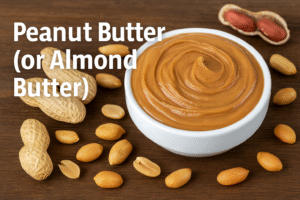
Protein: 7–8g per 2 tbsp
Why to stock it: Provides both protein and healthy fats.
How to use: Spread on toast, blend into smoothies, or pair with apple slices.
3. Lentils
Protein: 18g per cooked cup
Why to stock it: Plant-based powerhouse, full of fiber and minerals.
How to use: Perfect for soups, curries, or even veggie burgers.
4. Black Beans
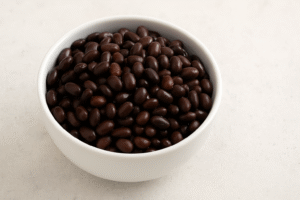
Protein: 15g per cooked cup
Why to stock it: Affordable, rich in fiber, and easy to add to meals.
How to use: Add to burritos, salads, or stews.
5. Quinoa
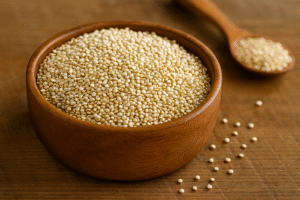
Protein: 8g per cooked cup
Why to stock it: A complete protein with all nine essential amino acids.
How to use: Use as a base for bowls, side dish, or breakfast porridge.
6. Canned Salmon
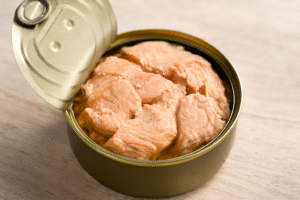
Protein: 21g per 3 oz serving
Why to stock it: Rich in protein + omega-3 fatty acids for heart health.
How to use: Make salmon patties, pasta dishes, or add to salads.
7. Pumpkin Seeds
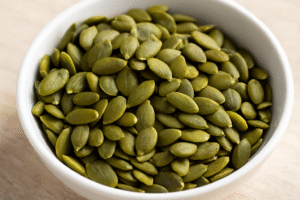
Protein: 9g per ¼ cup
Why to stock it: Crunchy, nutrient-rich, and great as a snack or topping.
How to use: Sprinkle on oatmeal, yogurt, or salads.
8. Chickpeas
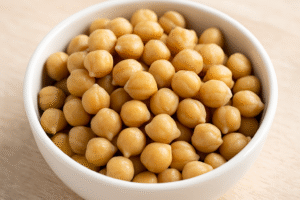
Protein: 14g per cooked cup
Why to stock it: Plant-based, versatile, and budget-friendly.
How to use: Roast for snacks, blend into hummus, or add to curries.
Food Item
Protein (per serving)
Shelf Life
Best Uses
Pros
Cons
Canned Tuna
2–5 years
Salads, sandwiches, wraps
High protein, affordable
peanut butter
7–8g / 2 tbsp
6–9 months
Toast, smoothies, snacks
Healthy fats + protein
Lentils
18g / 1 cup (cooked)
1 year (dry)
Soups, curries, veggie patties
High fiber, plant-based
Black Beans
15g / 1 cup (cooked)
2–3 years (canned)
Stews, burritos, salads
Budget-friendly, filling
Quinoa
8g / 1 cup (cooked)
2–3 years (dry)
Bowls, porridge, side dishes
Complete protein
Canned Salmon
21g / 3 oz
2–5 years
Patties, pasta, salads
Protein + omega-3s
Pumpkin Seeds
9g / ¼ cup
6–12 months
Snacks, toppings
Portable, nutrient-rich
High calorie density
Chickpeas
14g / 1 cup (cooked)
2–3 years (canned)
Hummus, curries, roasted snacks
Carbs can be high for some
Expert Tip: How Much Protein Do You Need Daily?
According to the Dietary Guidelines for Americans, adults should consume 0.8 grams of protein per kilogram of body weight daily. However, for muscle gain or weight management, many dietitians recommend 1.2–2.0g/kg.
Example: A 70kg (154 lb) person needs 84–140g protein daily for optimal health and performance.
This means keeping high-protein pantry foods is not just convenient — it’s essential.
FAQs: High-Protein Pantry Foods
Q1: What is the best high-protein pantry food for weight loss?
Canned tuna or lentils are great choices. They’re filling, low in fat, and high in protein.
Q2: Which high-protein pantry food is plant-based?
Lentils, black beans, quinoa, pumpkin seeds, and chickpeas are excellent plant-based protein sources.
Q3: Can I eat high-protein pantry foods every day?
Yes. These foods are safe for daily use, as long as you balance them with vegetables, fruits, and healthy fats.
Q4: Which high-protein pantry snack is best for kids?
Peanut butter and roasted chickpeas make fun, healthy snacks that kids usually enjoy.
Q5: How do high-protein foods help with muscle gain?
They provide amino acids needed for muscle repair and growth, especially after workouts.
Final Thoughts
Stocking your pantry with high-protein foods is one of the simplest ways to improve your diet. Whether you’re in a rush, trying to eat healthier, or working on fitness goals, these staples — from canned tuna to chickpeas — give you flexibility and nutrition.
By choosing smart pantry items, you’ll always have the foundation for quick, easy, and healthy meals. Start small: pick 2–3 new protein staples this week and experiment with recipes.
Your body will thank you.
Leave a Reply