
Probiotic for women searches are rising for a reason: women want real results for gut comfort, vaginal balance, and fewer antibiotic-related issues. If you’re comparing probiotics for women, here’s a clear, research-led guide with practical picks and step-by-step tips.
What probiotics actually are (and why strain matters)
Probiotics are live microorganisms that, when taken in adequate amounts, deliver a health benefit. That definition matters because not every fermented food or supplement meets it, and benefits are strain-specific—Lactobacillus rhamnosus GG behaves differently than Lactobacillus rhamnosus GR-1. Look for the full name (genus, species, strain) plus a dose that matches human studies.
Proven (and promising) women’s health uses
1) Vaginal health support (BV balance & recurrence)
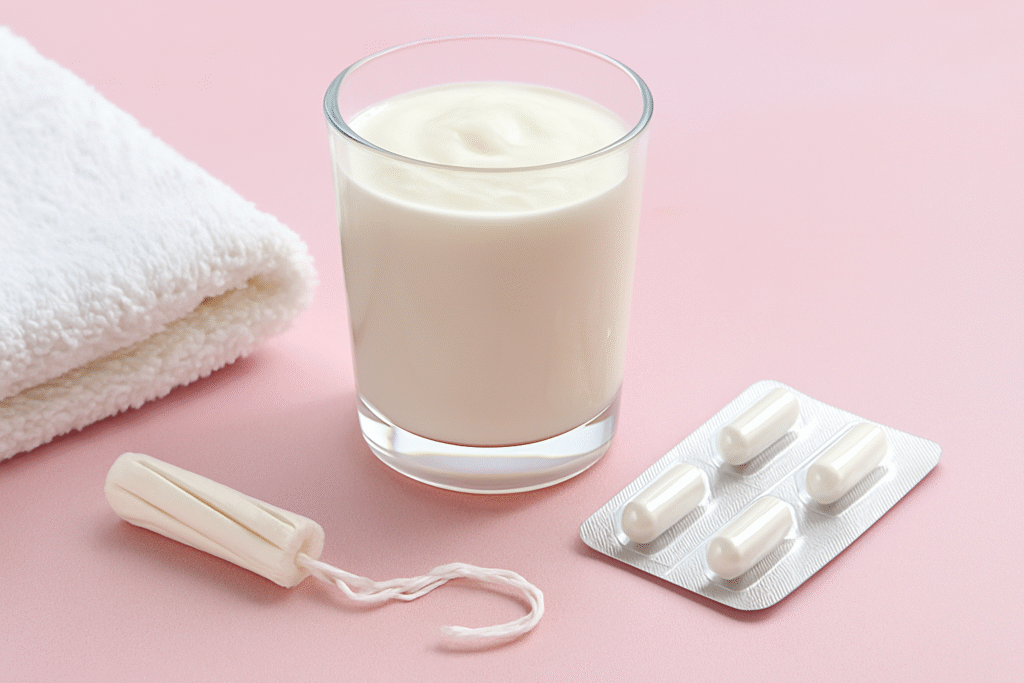
Vaginal health depends on lactobacilli dominance. Several trials and meta-analyses show that certain probiotic regimens—especially Lactobacillus GR-1 with RC-14—can help restore healthy flora and reduce BV recurrence, including when used alongside standard therapy. Evidence is strengthening, though not perfect, and major guidelines still prioritize antibiotics for active BV.
Bottom line: For recurrent BV after standard care, a women-targeted probiotic with GR-1/RC-14 may be worth discussing with your clinician.
2) Antibiotic-associated diarrhea (AAD) & C. difficile risk
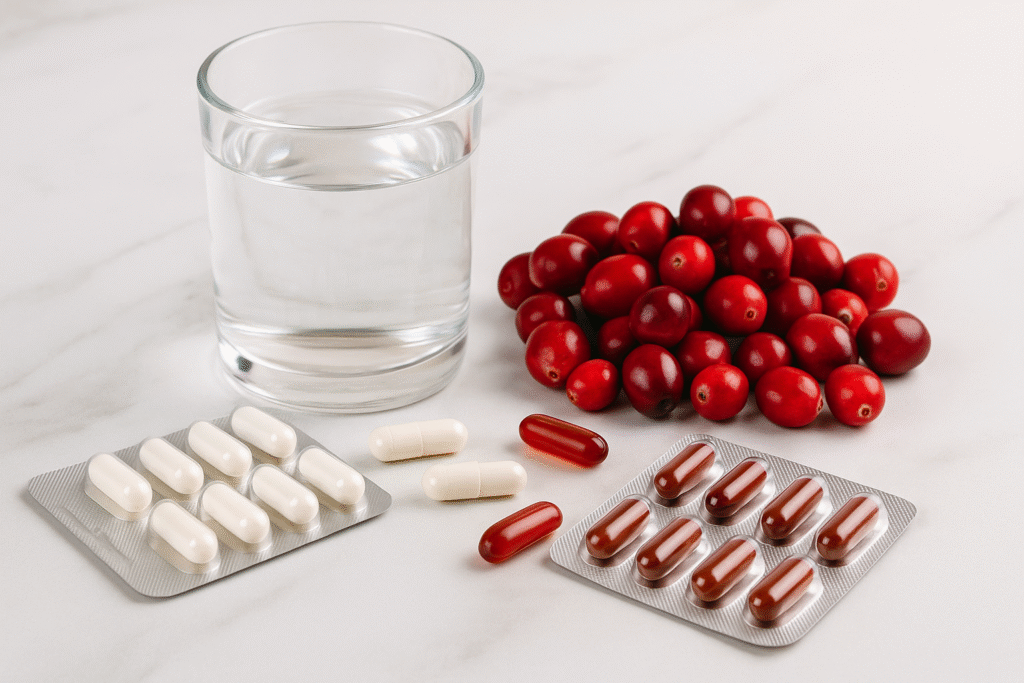
3) UTIs: useful or hype?
For recurrent UTIs, results are mixed. Some reviews suggest benefit, while Cochrane analyses haven’t confirmed a clear reduction in recurrence versus placebo or antibiotics. If you frequently get UTIs, talk to your clinician; probiotics won’t replace standard care, but may complement a prevention plan in select cases.
Step-by-step: how to choose a women’s probiotic (and actually use it)
Step 1 — Match the strain to the goal
- Vaginal health / BV support: products containing Lactobacillus (Limosilactobacillus) rhamnosus GR-1 + L. reuteri RC-14.
- Antibiotic support (AAD): L. rhamnosus GG or S. boulardii have the best evidence.
- General gut comfort: pick a product with published trials for your symptom (bloating, regularity, etc.). Evidence is strain-specific.
Step 2 — Check the label
A credible label lists: genus + species + strain, the CFU count through the best-by date (not just “at manufacture”), storage conditions, and human evidence for the intended benefit.
Step 3 — Dose & timing
There’s no universal CFU “magic number.” Most effective products in studies fall around 1–10 billion CFU/day, but you should follow the dose used in clinical trials for that exact strain. Take it daily, with or without food per label; keep going for at least 4–8 weeks to judge benefit.
Step 4 — Safety first (especially during pregnancy)
In healthy adults, probiotics are generally well tolerated. During pregnancy and lactation, current evidence suggests probiotics and prebiotics are considered safe, but always check with your obstetric provider first. If you are immunocompromised or have a central line, talk to your doctor before use.
Food first: everyday sources that help (and when supplements make sense)
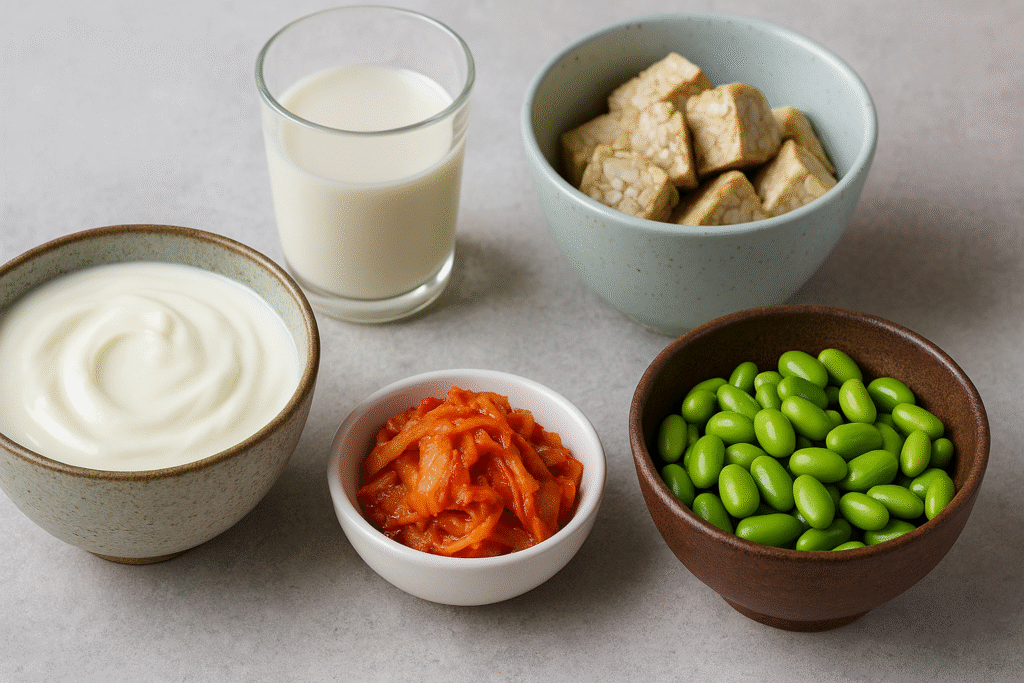
- Yogurt with “live and active cultures,” kefir, tempeh, miso, fermented veggies can support a diverse diet. Choose options without a lot of added sugar.
- Remember: only some foods contain documented probiotic strains at effective doses. If you have a targeted goal (e.g., AAD prevention, recurrent BV), a studied supplement strain is often the practical route.
Fast picks: which goal fits you?
- “I’m on antibiotics and want to protect my gut.” Consider a product with L. rhamnosus GG or S. boulardii (evidence for AAD/C. diff risk reduction).
- “I’ve had BV more than once this year.” Talk to your clinician about a trial using GR-1/RC-14 alongside guideline-directed therapy if symptoms recur.
- “I want general gut support.” Choose any strain with published human data for your symptom, and give it 4–8 weeks before switching.
FAQs
What is the best probiotic for women’s vaginal health?
Products containing L. rhamnosus GR-1 and L. reuteri (Limosilactobacillus) RC-14 are the most studied. They may help reduce BV recurrence, especially as an adjunct to standard care. Ask your clinician for personalized guidance.
How many CFU should a women’s probiotic have?
Follow the dose tested in human trials for that strain. Many effective products fall around 1–10 billion CFU/day, but more isn’t always better.
When should I take probiotics—morning or night?
Consistency beats timing. Take it the same time daily as directed on the label; some products prefer with food, others without.
Leave a Reply