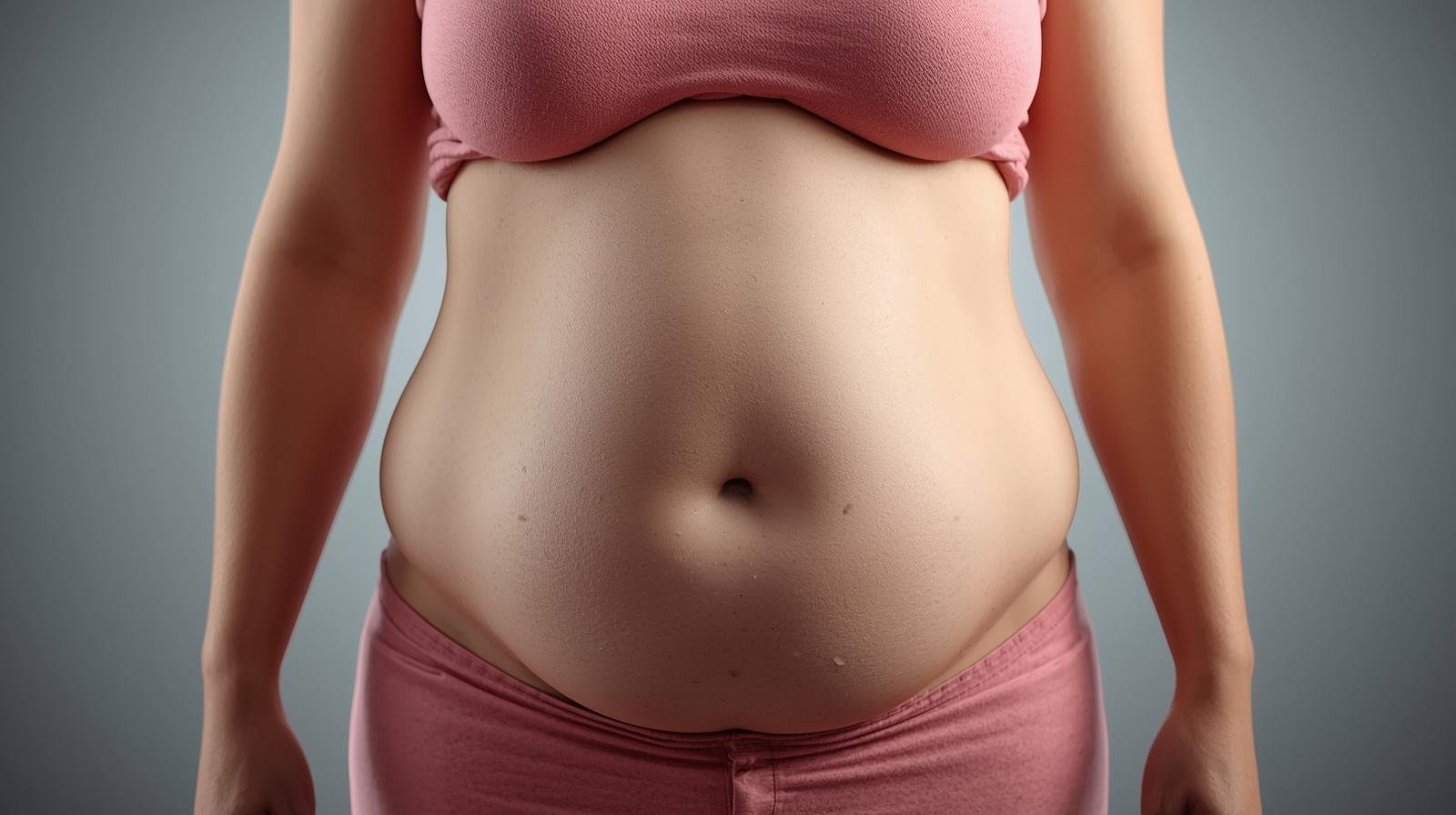
Weight loss injections have become one of the biggest health trends of the decade, with social media flooded with dramatic before-and-after images and celebrities crediting medications like Ozempic®, Wegovy®, and Saxenda® for their transformation. But the real question people want answered is simple: Do weight loss injections really work? And if they do, how safe are they, who should use them, and what should you realistically expect?
The term “weight-loss injections” usually refers to prescription medications given by injection under the skin, originally developed for Type 2 diabetes but now approved for obesity. The most commonly prescribed include:
- Semaglutide (Wegovy® for weight loss, Ozempic® for diabetes)
- Liraglutide (Saxenda®)
- Tirzepatide (Zepbound® / Mounjaro®)
These medications mimic hormones called GLP-1, or in newer drugs, both GLP-1 and GIP, which affect appetite, satiety, and blood sugar regulation.
There are also “non-medical spa injections”—things like lipotropic shots (“fat-burners”), B12 injections, and MIC injections—but their scientific support is extremely weak compared to GLP-1 medications. This blog focuses on evidence-based prescription injections.
✔ Semaglutide (Wegovy®)
Studies show an average weight-loss of 15% of starting body weight over 68 weeks.✔ Tirzepatide (Zepbound®)
Clinical trials showed people losing 15–20%+ of body weight, depending on dose.
✔ Liraglutide (Saxenda®)
Older but effective: 5–8% body weight loss on average.
These are among the most effective medical weight-loss treatments ever developed, aside from bariatric surgery.
They are intended for individuals who meet medical criteria:
- BMI 30+, or
- BMI 27+ with health issues such as hypertension, diabetes, insulin resistance, or sleep apnea
They are not intended for someone who simply wants to lose 5–10 pounds quickly for aesthetic reasons.
Best candidates:
- Those who have struggled with significant weight for years
- Those with metabolic conditions
- Those who can commit to regular doctor visits and long-term lifestyle changes
Not candidates:
- Pregnant or breastfeeding individuals
- Those with certain thyroid, pancreatic, or gallbladder conditions
- People wanting rapid “cosmetic” weight loss without addressing habits
Common side effects include:
- Nausea
- Vomiting
- Fatigue
- Constipation or diarrhea
- Bloating
- Reduced appetite
Most improve after the first few weeks.
Serious but rare risks:
- Severe gastrointestinal issues
- Pancreatitis
- Gallbladder problems
- Excessive muscle loss if protein intake is low
These drugs require doctor supervision, proper dosage, and bloodwork if needed.
Multiple studies show that many people regain weight once they stop injections—unless they adopt a sustainable eating style, increase protein intake, improve sleep, and stay active.
Why?
Because injections treat hormonal appetite signals, not the habits that caused weight gain.
The medications work—but they don’t fix lifestyle.
They can be life-changing for people with obesity and metabolic dysfunction.
They are not necessary for someone with mild weight concerns who has never tried structured nutrition, stress management, or exercise.
The best way to decide:
👉 Talk to a qualified doctor who understands both obesity medicine and nutrition.
Leave a Reply