Gastric inflammation can turn every meal into a worry. The good news? Certain gastric inflammation–friendly foods are naturally soothing, easy to digest, and can fit into simple recipes you can eat every day.
Below are 4 famous, gut-friendly foods (oats, rice & pumpkin, papaya, sweet potato) turned into practical recipes with:
Step-by-step instructions
- Approximate nutrition values
- Evidence-based notes on why they may help gastric inflammation
Important: Gastric inflammation (gastritis, atrophic gastritis, etc.) is a medical condition. Diet can support healing, but it doesn’t replace diagnosis or treatment. Always follow your doctor’s advice, especially if you have H. pylori, ulcers, anemia, or severe pain.
Why falafel balls are more than just a snack
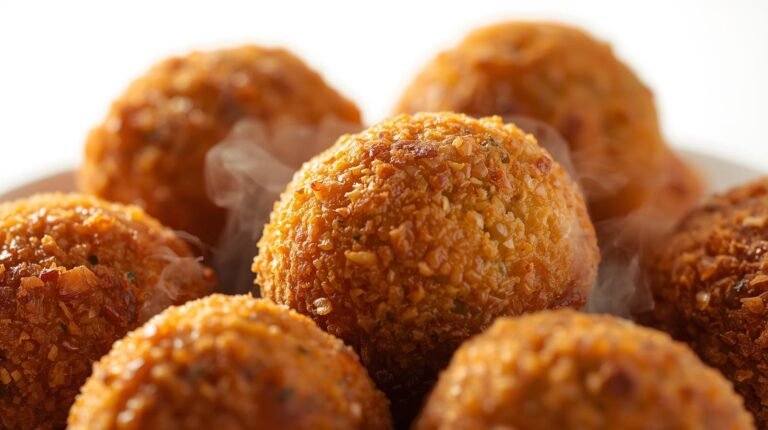
Traditional falafel balls are made from soaked chickpeas or fava beans, herbs, onion, garlic and warm spices, then formed into balls or patties and fried until crunchy outside and soft inside.
A typical 100 g of falafel (about 3–6 small balls, depending on size) provides 333 kcal, 13 g protein, 32 g carbs, 18 g fat and several minerals like iron, magnesium and potassium.
So yes, falafel is calorie-dense, but it’s also a plant-protein and fiber source, not empty junk.
Ingredients (about 20–24 small falafel balls)
- 1 cup dried chickpeas (NOT canned), soaked 18–24 hours
- 1 small onion, roughly chopped
- 3–4 garlic cloves
- ½ cup fresh parsley leaves
- ½ cup fresh cilantro leaves
- 1–2 tbsp fresh dill (optional, but very traditional)
- 1–1½ tsp ground cumin
- 1–1½ tsp ground coriander
- ¼ tsp cayenne or chili flakes (optional)
- 1 tsp salt (adjust to taste)
- ½ tsp baking powder
- 2–3 tbsp chickpea flour or all-purpose flour (only if mixture feels too loose)
- Neutral high-heat oil for frying (e.g., sunflower, canola)
Step-by-step: How to make crispy falafel balls
1. Soak the chickpeas
- Rinse dried chickpeas and place in a large bowl.
- Cover with at least triple the volume of cold water (they expand a lot).
- Soak 18–24 hours. Drain and rinse well before using.
2. Make the falafel mixture
- Add soaked chickpeas, onion, garlic, parsley, cilantro, dill, cumin, coriander, cayenne and salt to a food processor.
- Pulse in short bursts, scraping sides as needed, until the mixture is finely ground – like coarse, moist sand. It should hold together if you squeeze it in your hand, not turn into a paste.
3. Chill the mixture
- Sprinkle baking powder over the mixture and pulse once more.
- Transfer to a bowl, cover and refrigerate at least 1 hour (up to overnight). This helps falafel balls hold their shape when frying.
4. Shape the falafel balls
- With damp hands or a falafel scoop, form small balls or slightly flattened patties (~1–1½ tbsp each).
- If the mix crumbles, pulse a bit more or add 1–3 tbsp chickpea flour.
5. Fry until golden
- Heat 4–5 cm of oil in a deep pan to about 170–180°C (340–360°F).
- Fry falafel balls in batches 3–4 minutes, turning as needed, until deep golden brown.
- Drain on paper towels.
Approximate nutrition (per 4 small fried falafel balls, 80–100 g, no sauce)
- Calories: 260–330 kcal
- Protein: 10–13 g
- Carbs: 25–32 g
- Fat: 14–18 g
- Fiber: 4–6 g

Frying gives authentic flavor, but lots of readers search for baked falafel balls with less oil. Baked recipes use the same chickpea-herb mix but are brushed with olive oil and baked until golden.
Ingredients (about 20 balls)
- Use the same mixture as classic falafel above, but:
- Swap deep-frying oil for:
- 2–3 tbsp extra virgin olive oil, for brushing/spraying
- Optional: 1–2 tbsp toasted sesame seeds mixed into the batter or sprinkled on top for extra crunch.
Step-by-step: How to bake falafel balls
1. Prepare falafel mix
- Make the soaked chickpea mixture as in Recipe 1.
- Chill at least 1 hour.
2. Shape the balls
- Preheat oven to 190–200°C (375–400°F).
- Line a baking tray with parchment and lightly brush with olive oil.
- Shape mixture into small balls or mini patties (~1–1½ tbsp each). Place on tray.
3. Brush with oil
- Lightly brush or spray tops and sides with olive oil.
- Sprinkle sesame seeds if using.
4. Bake until golden
- Bake 12–15 minutes. Turn the falafel balls.
- Bake another 10–15 minutes, until golden on both sides and slightly crisp.
Cookie and Kate
+2
The Mediterranean Dish
+2
5. Serve
- Serve in salads, bowls, wraps, or as a snack with tahini sauce.
Approximate nutrition (per 4 small baked falafel balls, 80–100 g, lightly oiled)
- Calories: 220–280 kcal
- Protein: 10–12 g
- Carbs: 25–30 g
- Fat: 8–12 g
- Fiber: 4–6 g
Baked versions typically have less fat and fewer calories than deep-fried falafel but similar protein and fiber, depending on how much oil you use.

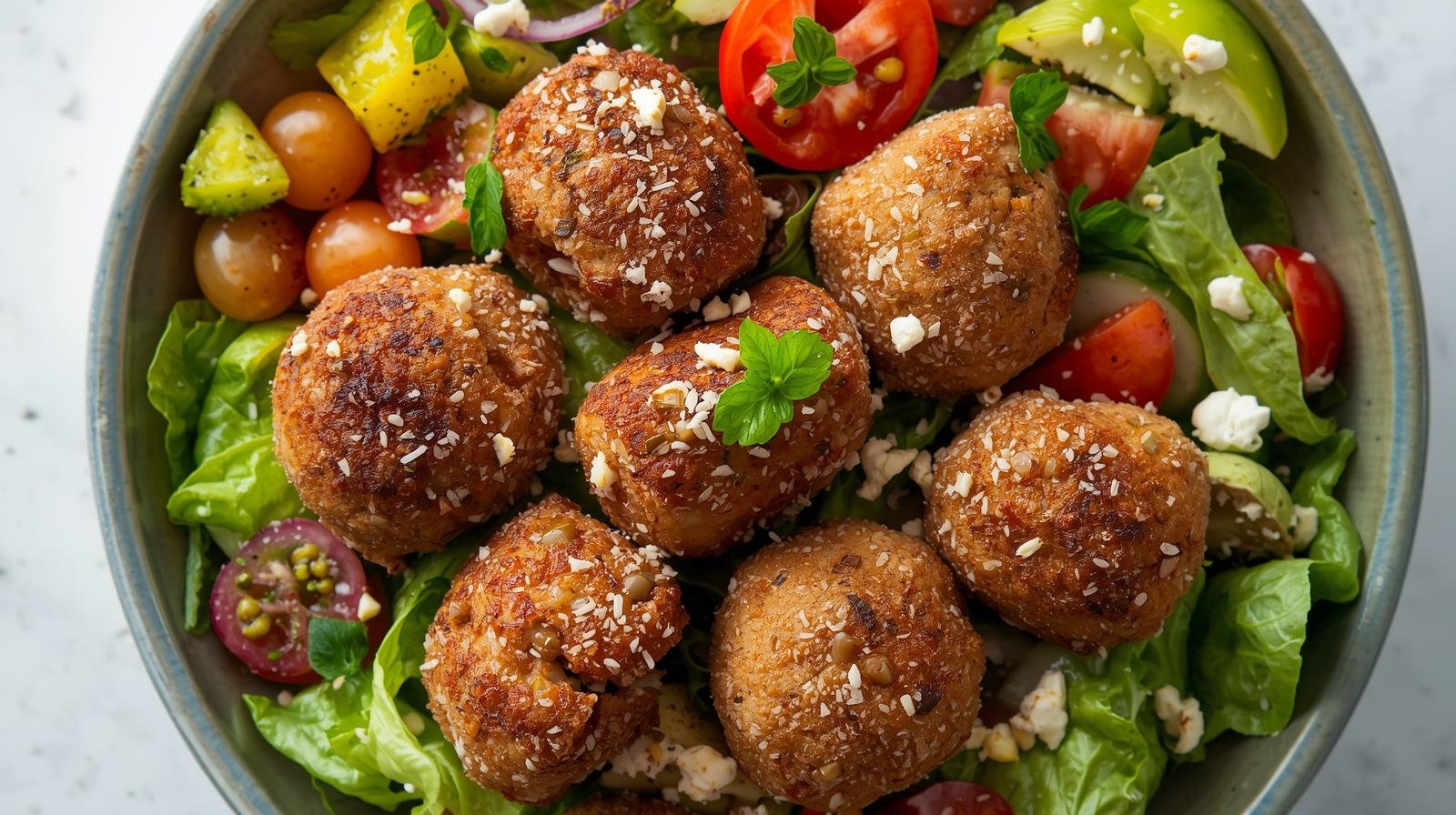
A falafel salad bowl turns falafel balls into a full, balanced meal with greens, whole grains, and healthy fats. Commercial falafel bowls often reach 500–600 kcal with good amounts of fiber and protein.
Ingredients (1 large bowl)
- 4 baked or fried falafel balls (small)
- 2 cups mixed salad greens (lettuce, spinach, arugula)
- ½ cup chopped cucumber
- ½ cup cherry tomatoes, halved
- ¼ cup grated carrot or red cabbage
- ¼ cup cooked quinoa or brown rice (optional but great for more fiber)
- 2 tbsp hummus or tahini sauce
Lemon-tahini dressing:
- 1 tbsp tahini
- 1 tbsp lemon juice
- 1–2 tbsp water to thin
- Pinch of salt, garlic powder (optional)
Step-by-step: How to build a falafel salad bowl
1. Make the dressing
- Whisk tahini, lemon juice, salt and a spoon of water until creamy.
- Add more water to reach pourable texture.
2. Prep the base
- Add salad greens to a large bowl.
- Top with cucumber, tomato, carrot/cabbage and quinoa/rice.
3. Add falafel balls
- Warm falafel balls slightly if you prefer, or use chilled for a quick lunch.
- Add 4 falafel balls on top.
4. Finish with hummus & dressing
- Add a spoon of hummus or a drizzle of tahini sauce.
- Pour lemon-tahini dressing over the bowl.
Approximate nutrition (1 bowl with 4 baked falafel balls, quinoa & tahini)
- Calories: 500–600 kcal
- Protein: 18–22 g
- Carbs: 55–70 g
- Fat: 22–30 g
- Fiber: 10–14 g
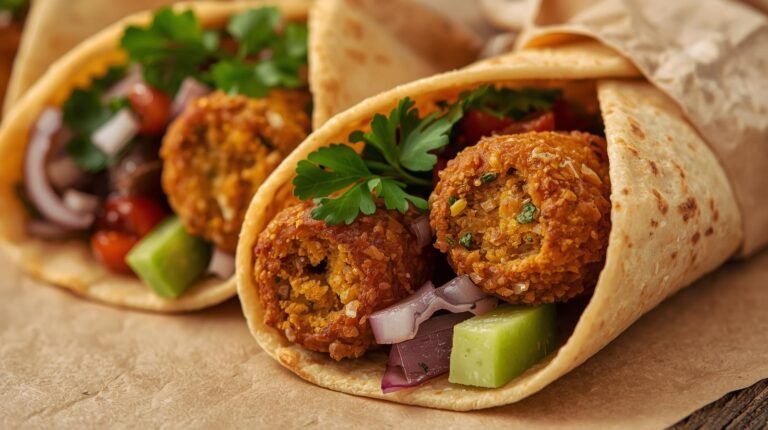
Falafel wraps are popular worldwide. Depending on size and sauce, they often contain ~325–600 kcal per wrap with 10–20 g protein.
Ingredients (1 wrap)
- 1 medium pita or 8–10 inch tortilla/wrap
- 3–4 small falafel balls (baked or fried)
- ½ cup shredded lettuce
- ¼ cup chopped tomato
- ¼ cup cucumber slices
- 2–3 tbsp red cabbage or onion (optional)
- 2 tbsp tahini sauce or yogurt sauce
Simple tahini sauce:
- 2 tbsp tahini
- 1–2 tbsp lemon juice
- 1 small garlic clove, minced (optional)
- 2–3 tbsp water
- Pinch of salt
Step-by-step: How to make a falafel wrap
1. Make the sauce
- Whisk tahini, lemon juice, garlic and salt.
- Add water gradually until smooth and drizzleable.
2. Warm the bread
- Lightly warm pita or wrap in a dry pan or microwave for 10–20 seconds to make it flexible.
3. Build the wrap
- Spread a spoonful of tahini sauce in the center.
- Add lettuce, tomatoes, cucumber and cabbage/onion.
4. Add falafel balls
- Place 3–4 warm falafel balls on top of the veggies.
- Drizzle with more tahini or yogurt sauce.
5. Roll and serve
- Fold sides in and roll tightly like a burrito, or fold pita into a pocket style.
Approximate nutrition (per wrap, with 3 baked falafel balls & tahini)
- Calories: 450–550 kcal
- Protein: 15–20 g
- Carbs: 55–65 g
- Fat: 16–24 g
- Fiber: 8–10 g
1. Are falafel balls healthy or junk food?
Falafel balls are made from chickpeas or fava beans, herbs and spices, so they naturally provide plant protein, fiber, iron, magnesium and potassium.
They become more calorie-dense (and higher in fat) when deep-fried. Baked falafel balls or air-fried falafel with plenty of vegetables and lighter sauces are usually a healthier option.
2. How many calories are in falafel balls?
On average, 100 g of falafel (3–6 small balls) contains around 320–335 kcal, 13 g protein, 32 g carbs and 18 g fat.
In a wrap or bowl, total calories depend on the bread, sauces and sides (typically 325–600 kcal per wrap).
3. Do I have to soak chickpeas for falafel balls?
For authentic falafel balls, yes. Most traditional recipes use soaked but uncooked dried chickpeas for the right texture and structure.
Canned (already cooked) chickpeas can work in some baked recipes, but they often give a softer, less crispy falafel that may fall apart when frying.
Leave a Reply