Food high in magnesium is one of the simplest “upgrade moves” you can make for everyday nutrition—because magnesium supports muscle and nerve function, energy production, and bone health.
Foods with most magnesium are usually the same foods dietitians love for overall health: nuts, seeds, legumes, whole grains, and leafy greens.
If you’ve ever searched “magnesium enriched foods” or “how to increase magnesium naturally,” this guide will help you eat more magnesium without overthinking it—using a simple meal framework and 4 high-quality meals.
Magnesium needs change by age and sex. The NIH Office of Dietary Supplements lists adult RDAs around 310–420 mg/day, depending on age/sex/life stage.
Most people do well aiming for magnesium-rich foods at 2–3 meals per day, instead of trying to “hit the number” with supplements.
These are the categories that consistently show up as strong sources:
Pumpkin seeds are one of the richest common foods (about 156 mg per 1 oz).
- Chia, flax, almonds, cashews also contribute meaningful amounts.
Cooked black beans are commonly cited around ~120 mg per cup depending on the database/source.
Quinoa is often listed as a helpful source (example: ~60 mg per ½ cup cooked in one clinical-style guide).
Spinach, Swiss chard, and other greens contribute magnesium plus other minerals.
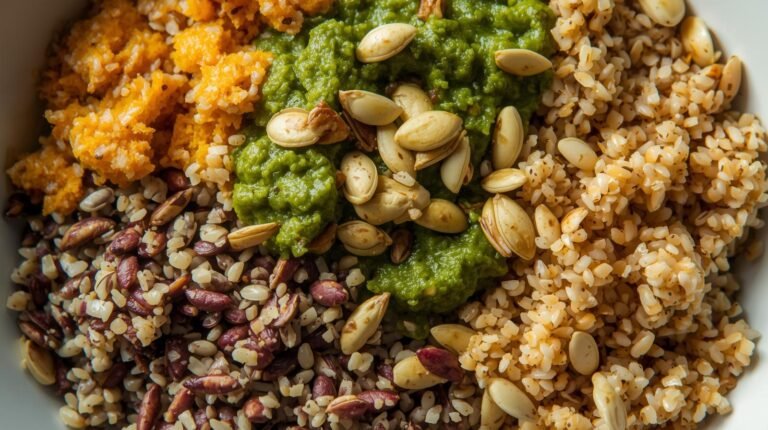
Why it’s great: Pumpkin seeds are one of the strongest magnesium sources per ounce.
Ingredients
Cooked quinoa
Spinach or arugula
Cherry tomatoes + cucumber
Pesto made with pumpkin seeds (swap for pine nuts) + olive oil + garlic + lemon
Protein add-on: chicken, tofu, or chickpeas
Steps
Cook quinoa.
Blend pesto: pumpkin seeds + olive oil + garlic + lemon + pepper.
Assemble bowl, drizzle pesto, add protein.
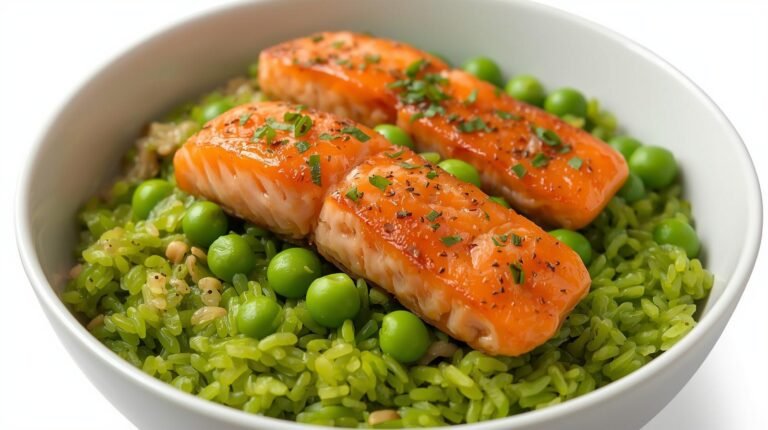
Why it’s great: Edamame and greens show up often in magnesium-rich food lists, and it’s a satisfying balanced meal.
Ingredients
Salmon (baked or canned salmon)
Cooked rice (or quinoa)
Edamame
Spinach/cucumber/carrots
Dressing: soy sauce (light) + lime + sesame
Steps
Bake salmon (or open canned salmon).
Warm edamame.
Build bowl with greens + rice/quinoa + salmon + edamame.
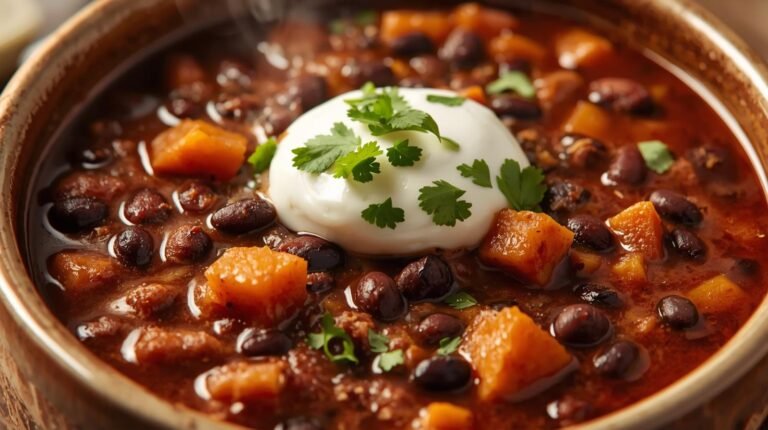
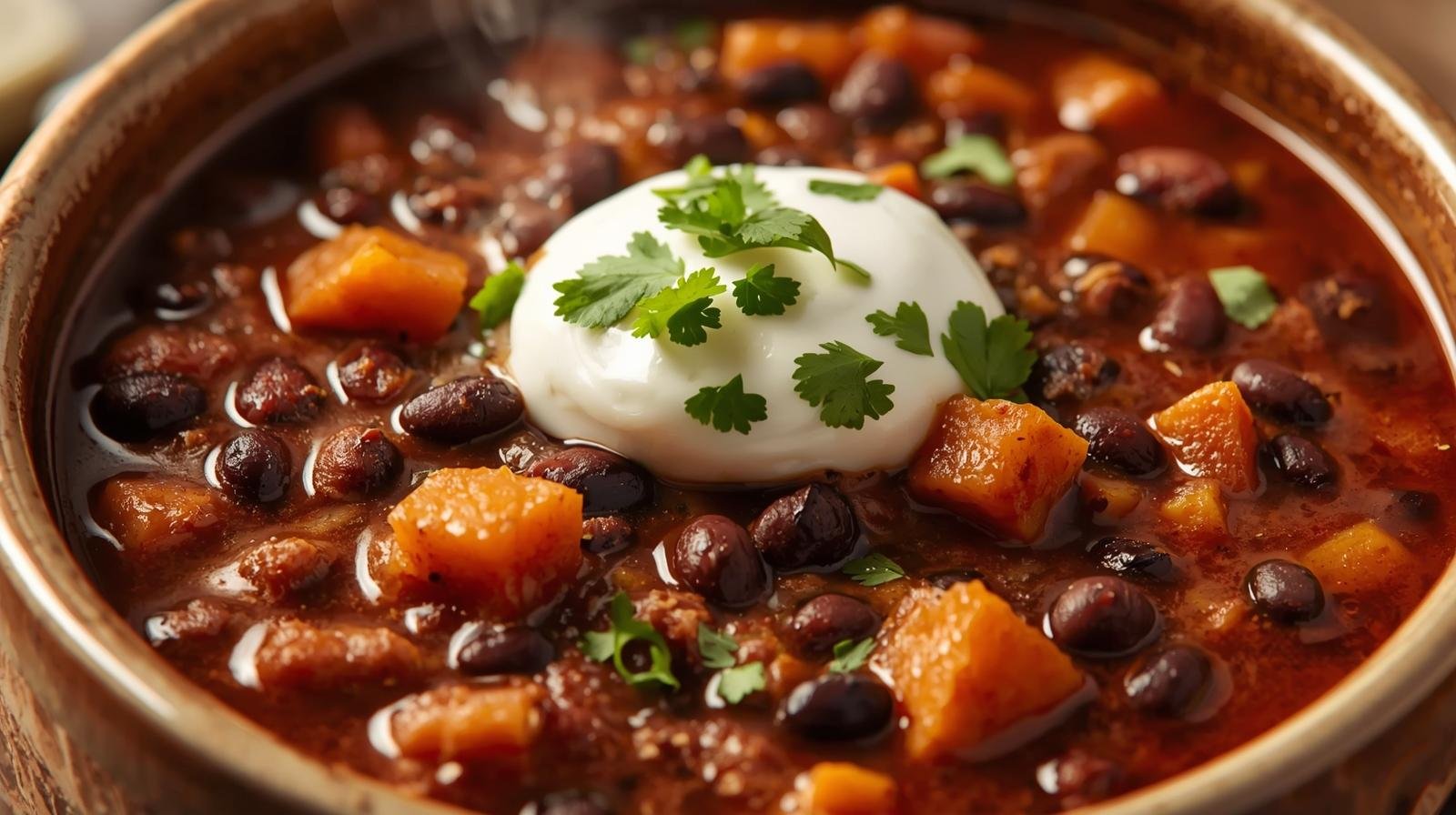
Why it’s great: Legumes like black beans are consistently listed as magnesium sources, and chili is easy meal prep.
Ingredients
Black beans (rinsed)
Diced tomatoes
Onion + garlic + bell pepper
Sweet potato cubes
Chili powder + cumin
Steps
Sauté onion/garlic/pepper.
Add sweet potato + tomatoes + beans + spices.
Simmer until sweet potato is tender.
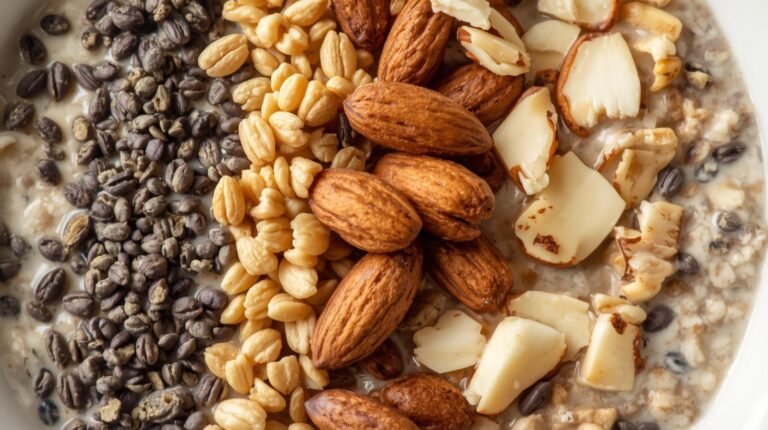
Why it’s great: Chia seeds and almonds are commonly listed magnesium contributors, and this is easy to repeat daily.
Ingredients
Rolled oats
Milk/soy milk
Chia seeds
Berries or banana
Almonds (or almond butter)
Cinnamon
Steps
Mix oats + milk + chia + cinnamon.
Refrigerate overnight.
Top with fruit + almonds in the morning.
Seeds (especially pumpkin seeds), nuts, legumes, whole grains, and leafy greens are common top categories.
NIH ODS lists adult RDAs around 310–420 mg/day depending on age and sex.
Usually fortified foods or foods marketed for magnesium. But the most dependable approach is regular whole foods like beans, quinoa, seeds, and greens.
Leave a Reply