A lot of people eat “okay” meals… and then lose their deficit with a few small, high-calorie extras:
- Sugar-sweetened drinks
- Ultra-processed snacks
- Fast-food fried items
- Oversized desserts
Large studies consistently link ultra-processed, energy-dense foods with higher calorie intake and weight gain because they are:
- Easy to overeat
- Low in fiber and protein
- High in sugar, refined starch, and unhealthy fats
For most people, the highest-impact foods not to eat in weight loss (or to keep rare) are:
- Sugary drinks (soda, sweet coffee, energy drinks, fruit juices)
- Deep-fried fast food (fries, fried chicken, breaded fish)
- Refined bakery items (donuts, pastries, croissants, frosted muffins)
- Highly processed snack foods (chips, candy, chocolate bars)
- Heavy restaurant burgers & pizzas (large portions, refined buns/crust, sauces)
These can easily add 500–1,000+ “invisible” calories in a day without much fullness.
Instead of “I can never eat X,” think:
❌ Old version: deep-fried, low protein, highly processed
✅ New version: baked / air-fried, higher protein, more fiber, controlled portion
We’ll walk through 4 famous “no-no” foods and turn them into weight-loss-friendly recipes.
Why regular fries are on the “foods not to eat in weight loss” list:
- Deep-fried in oil, often reused oils
- Very energy-dense; a medium fast-food fries can hit 300–400 kcal with little fiber or protein
- Easy to overeat mindlessly with burgers or nuggets
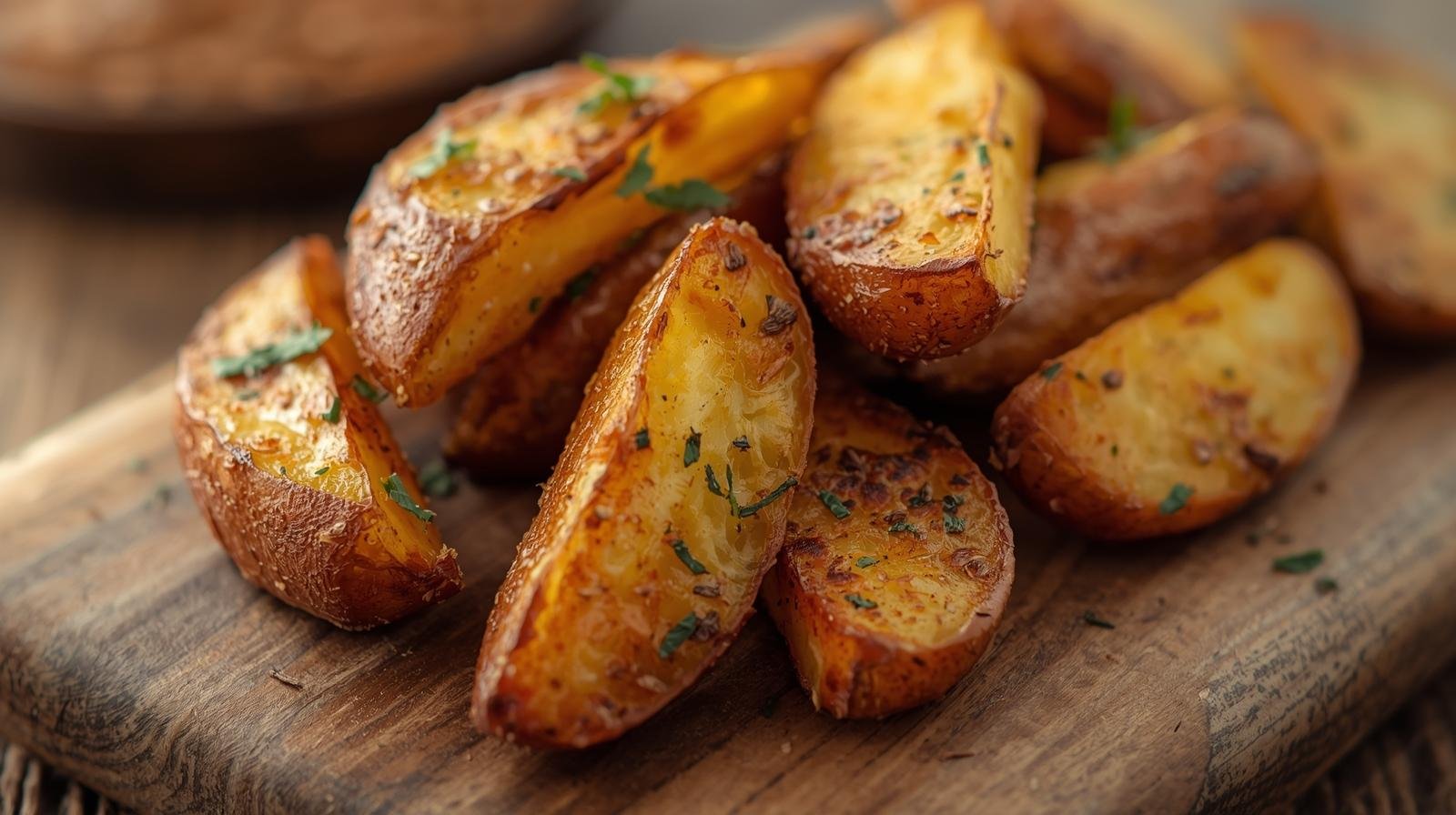
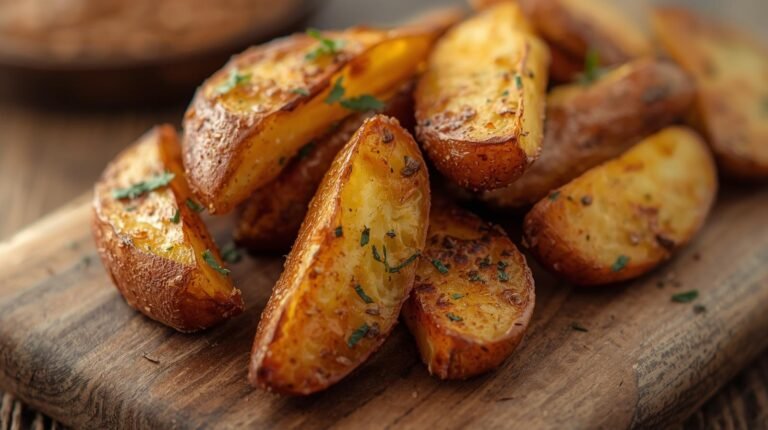
- Healthier version: Crispy Baked Potato Wedges
Why this works:
- Uses baking instead of deep-frying
- Keeps the skin on for extra fiber and potassium
- Lets you control the amount and type of oil (olive or avocado)
Ingredients (2 servings)
- 2 medium potatoes (white or sweet), scrubbed and cut into wedges
- 1 tbsp olive or avocado oil
- ½ tsp paprika
- ½ tsp garlic powder
- Salt & pepper to taste
How to make it
- Preheat oven to 220 °C / 425 °F. Line a tray with parchment.
- Toss wedges with oil, paprika, garlic powder, salt, and pepper.
- Spread in a single layer, cut side down.
- Bake 20–25 minutes, flipping once, until golden and crisp at edges.
Approx. per serving (½ the batch)
- 190–230 kcal
- 4–5 g protein
- 6–7 g fat (mostly unsaturated)
- 35–40 g carbs, ~4–5 g fiber
Why many burgers are “foods not to eat in weight loss”:
- Large buns, sugary sauces, cheese, mayo, and fried sides
- A typical fast-food burger + fries + drink can exceed 800–1,200 kcal
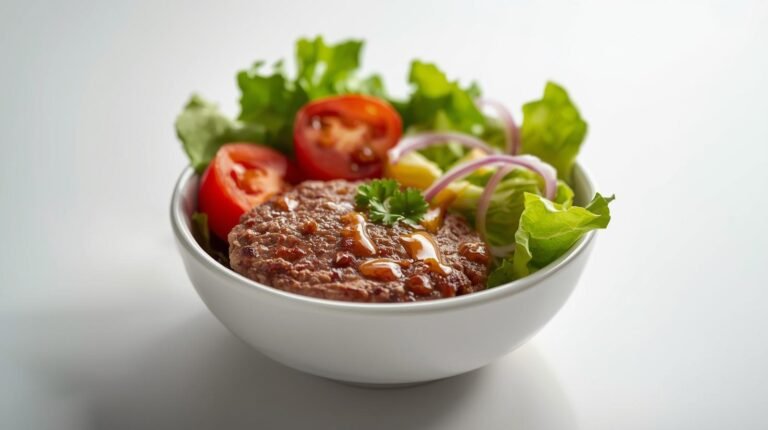
- Healthier version: Lean Burger Bowl (No Bun)
Why this works:
- Keeps the protein of a burger
- Ditches the refined bun and sugary sauces
- Adds vegetable volume for more fullness per calorie
Ingredients (1 large serving)
- 120 g lean ground beef or turkey (93–96% lean)
- Salt, pepper, garlic powder
- 1 tsp olive oil (optional, if using very lean meat in a pan)
- 1–2 cups shredded lettuce or mixed greens
- ½ cup cherry tomatoes, halved
- ¼ cup sliced cucumber
- ¼ avocado, sliced
- 1 tbsp light mayo or Greek yogurt + 1 tsp mustard (for a simple sauce)
How to make it
- Season the meat with salt, pepper, and garlic powder; form a patty.
- Pan-sear or grill 4–5 minutes per side until cooked through.
- Place greens, tomatoes, and cucumber in a bowl.
- Top with the burger patty and avocado.
- Mix mayo/yogurt with mustard and a splash of water or lemon; drizzle on top.
Approx. per bowl
- 400–450 kcal
- 30–35 g protein
- 22–25 g fat (with healthy fats from avocado)
- 15–18 g carbs, ~5–7 g fiber
Why many desserts are in the “foods not to eat in weight loss” category:
- High sugar, refined flour, and saturated fat
- Large slices of cake / pie can easily be 400–600 kcal without much protein
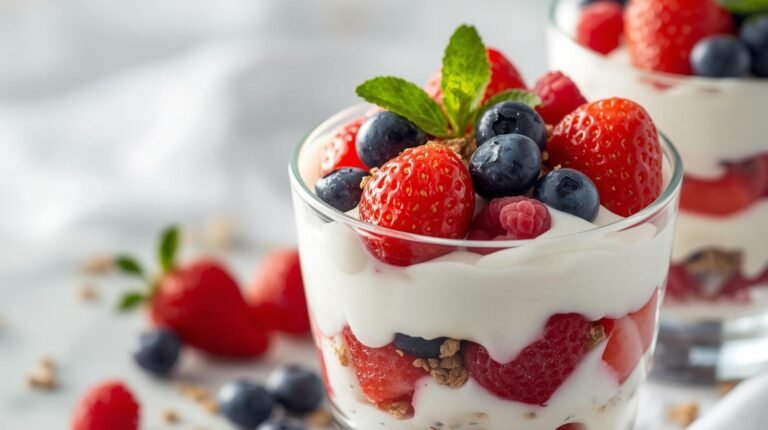
- Healthier version: High-Protein Greek Yogurt Berry Parfait
Why this works:
- Greek yogurt adds casein protein, which is filling and good for muscle
- Berries provide fiber and antioxidants
- A small portion of crunchy topping satisfies dessert cravings
Ingredients (1 dessert serving)
- ½–¾ cup plain 0–2% Greek yogurt
- ½ cup mixed berries (fresh or frozen, thawed)
- 1–2 tsp crushed nuts or seeds (almonds, walnuts, pumpkin seeds)
- ½ tsp honey or maple syrup (optional)
- Cinnamon or vanilla extract
How to make it
- Layer half the yogurt in a glass.
- Add half the berries and a sprinkle of nuts.
- Repeat layers.
- Drizzle with a little honey if needed, and dust with cinnamon.
Approx. per serving
- 180–230 kcal
- 14–18 g protein
- 5–8 g fat
- 20–25 g carbs, 3–5 g fiber
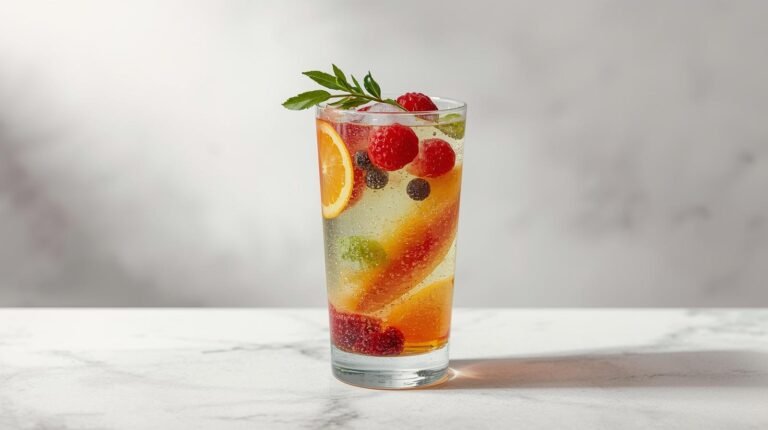
Why soda is a top “food not to eat in weight loss” (technically a drink):
- A 355 ml (12 oz) can has roughly 140–150 kcal and 35–40 g sugar
- Brings no fiber or protein, so it barely affects fullness
- Healthier version: Citrus-Berry Sparkling Water
Why this works:
- Keeps the fizz and flavor
- Zero or near-zero calories
- Can help you drink more water overall
Ingredients (1 tall glass)
- Sparkling water (plain or lightly flavored, unsweetened)
- 2–3 slices citrus (lemon, lime, orange)
- A few crushed berries or 2–3 tbsp 100% fruit juice
- Ice cubes
How to make it
- Fill a glass with ice.
- Add citrus slices and berries/juice.
- Top with sparkling water.
- Lightly muddle the fruit to release flavor.
Approx. per serving
- 0–30 kcal (depending on how much juice you use)
- Negligible protein and fat
- Small amount of carbs if juice is included
1) What are the top foods not to eat in weight loss?
Frequent culprits: sugary drinks, deep-fried fast food, refined baked goods, chips and candy, and oversize restaurant portions. You don’t have to ban them forever—but they should be rare treats, not everyday staples.
2) Can I ever eat pizza or burgers if I want to lose weight?
Yes, but portion size and frequency matter. Homemade or lighter versions (thin crust, extra veg, less cheese; bunless or lean burgers) fit better into a calorie deficit than fast-food versions.
3) Are carbs foods I should not eat in weight loss?
Not necessarily. Whole-food carbs (fruit, oats, brown rice, lentils, potatoes) are very helpful for fullness and energy. Refined carbs + sugar with lots of fat (pastries, donuts, etc.) are what you want to minimize.
Leave a Reply