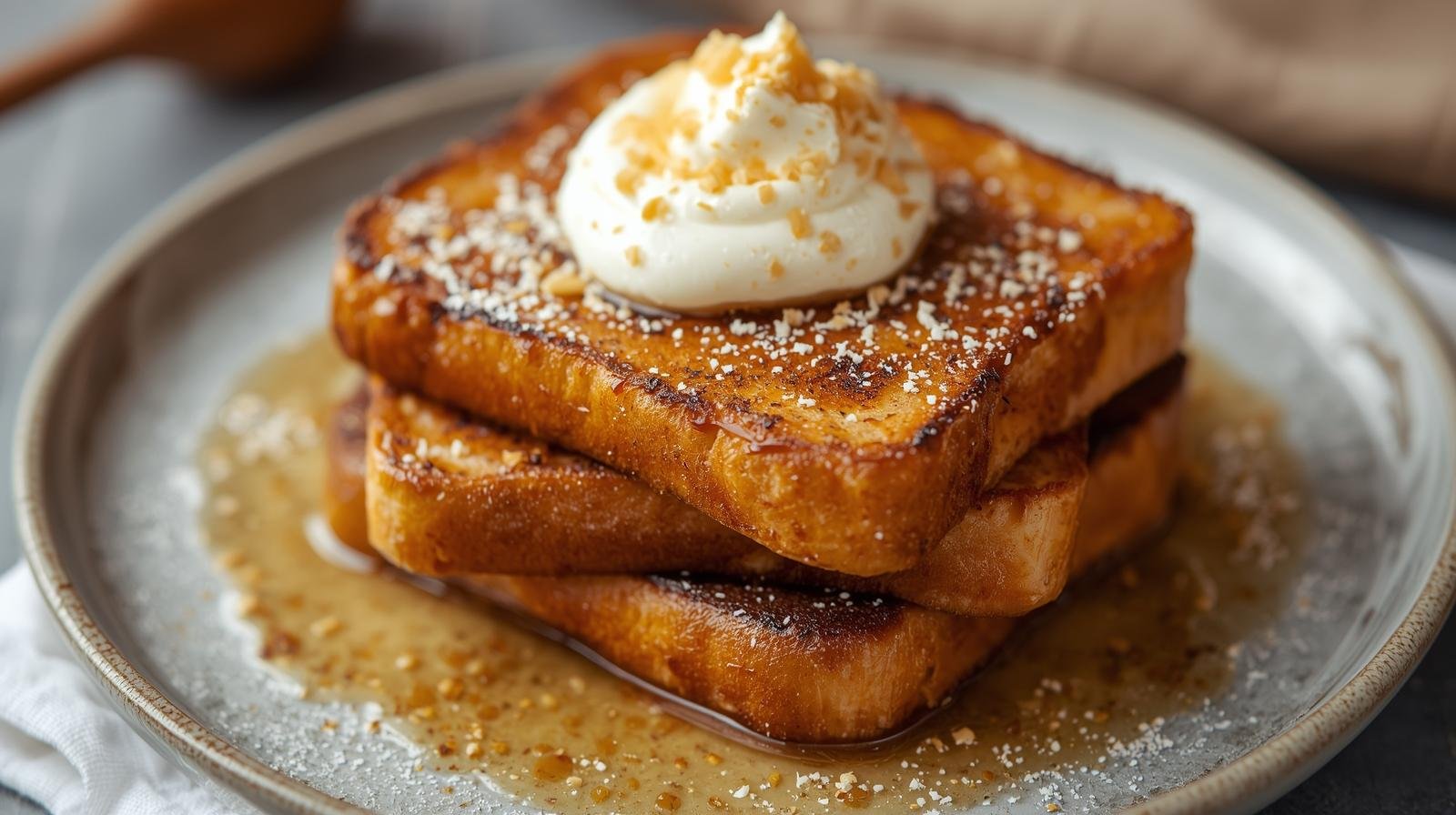
French toast is one of those breakfasts that feels like a warm hug on a plate. Search for French toast or even “french french toast” online and you’ll find everything from ultra-decadent brunch stacks to surprisingly balanced, high-protein versions that actually fit into a healthy diet.
In this guide, you’ll get:
- The basics of French toast and how it fits nutritionally
- Step-by-step tips to nail the texture every time
- 5 famous French toast recipes (from classic to high-protein to savory)
Approximate nutrition so readers can enjoy it and stay on track
At its core, French toast is just:
- Bread
- Eggs
- Milk (or cream)
- A little fat for cooking
- Optional sweeteners and flavorings (vanilla, cinnamon, sugar, etc.)
The French call it pain perdu (“lost bread”) because it was originally a way to save stale bread by soaking it in custard and pan-frying.
Basic nutrition snapshot (per 2-slice serving, without heavy toppings)
A typical home-style French toast made with:
- 2 slices of bread
- 1 egg
- A splash of milk
- 1 tsp butter or oil for the pan
Will roughly give you:
- 250–350 calories
- 12–16 g protein
- 8–14 g fat
- 30–40 g carbs
Add syrup, cream, or lots of sugar and the calories climb fast. Use whole-grain bread, moderate toppings, and some protein tricks, and you can turn French toast into a surprisingly balanced breakfast.
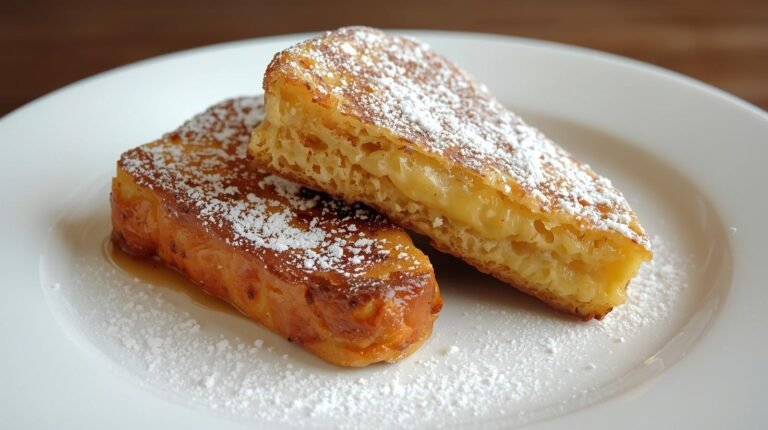
Why it’s a good “baseline” French toast:
You get the familiar flavor but with controlled sugar and a decent amount of protein.
Ingredients (2 servings)
- 4 slices bread (preferably whole-grain or sourdough)
- 2 large eggs
- ½ cup (120 ml) milk (cow’s or fortified plant milk)
- 1 tsp vanilla extract
- 1 tsp ground cinnamon
- 1–2 tsp sugar or maple syrup (optional, for the custard)
- 1–2 tsp butter or oil for the pan
- Toppings: a handful of berries + 1–2 tsp pure maple syrup per serving
How to make it
- In a shallow dish, whisk eggs, milk, vanilla, cinnamon, and sugar (if using) until smooth.
- Preheat a non-stick pan over medium heat and add a little butter or oil.
- Dip each bread slice in the custard, soaking both sides until saturated but not falling apart.
- Cook 2–3 minutes each side, until golden brown and set.
- Serve 2 slices per plate with berries and a light drizzle of maple syrup.
Approximate nutrition (per 2-slice serving)
- 320–380 kcal
- 14–18 g protein
- 9–13 g fat
- 45–50 g carbs
- 4–6 g fiber (if using whole-grain bread)

Why it’s famous:
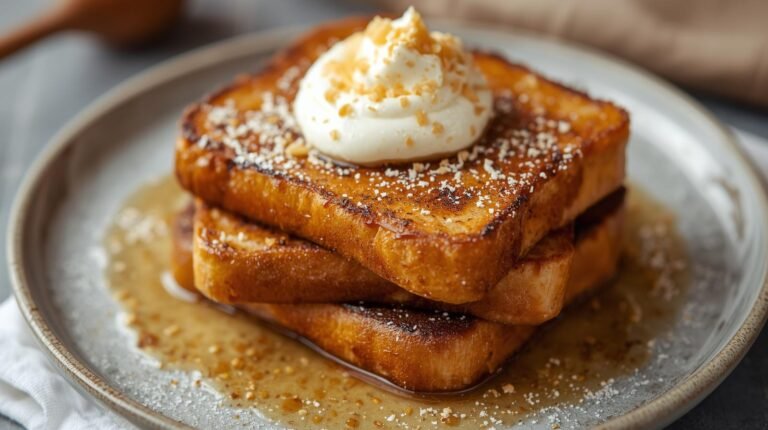
Rich brioche or challah is the classic café-style French toast base—soft inside, crisp outside. We’ll keep it indulgent but not overboard.
Ingredients (2 servings)
- 4 thick slices brioche or challah
- 2 large eggs
- ½ cup (120 ml) milk (whole or 2%)
- 1 tbsp sugar
- 1 tsp vanilla extract
- Pinch of salt
- 1–2 tsp butter for the pan
Toppings: sliced strawberries + a spoon of Greek yogurt or a small dollop of whipped cream
How to make it
- Whisk eggs, milk, sugar, vanilla, and salt in a shallow bowl.
- Heat a pan over medium-low, add butter.
- Soak brioche slices in custard for several seconds each side (brioche is dense and can take more custard).
- Cook slowly, about 3–4 minutes per side, until deeply golden and custard is set inside.
- Serve with strawberries and a modest topping of yogurt or cream.
Approximate nutrition (per serving)
- 400–500 kcal
- 14–18 g protein
- 16–22 g fat
- 50–55 g carbs
Tip: Reserve this French toast for special brunches and balance your day with lighter meals.
Why it’s great:
This “healthy French French toast” twist packs more protein, less fat, and high fiber—ideal if you care about macros.
Ingredients (2 servings)
- 4 slices whole-grain or protein bread
- 2 whole eggs + 2 egg whites
- ¼ cup (60 ml) milk or protein milk
- 2 tbsp plain Greek yogurt
- 1 tsp vanilla extract
- 1 tsp cinnamon
- Pinch of salt
- 1 tsp oil or butter for the pan
- Toppings: sliced banana + extra spoon of Greek yogurt
How to make it
- In a bowl, whisk whole eggs, egg whites, milk, Greek yogurt, vanilla, cinnamon, and salt until smooth.
- Heat a non-stick pan over medium; add a little oil or butter.
- Dip each bread slice in the high-protein custard mixture, coat both sides.
- Cook 2–3 minutes per side until golden and cooked through.
- Serve 2 slices per plate with yogurt and banana on top.
Approximate nutrition (per serving)
- 320–360 kcal
- 24–30 g protein
- 8–10 g fat
- 40–45 g carbs
- 6–8 g fiber (with good whole-grain bread)
This is an excellent high-protein French toast option for people who want flavor and muscle-friendly macros.
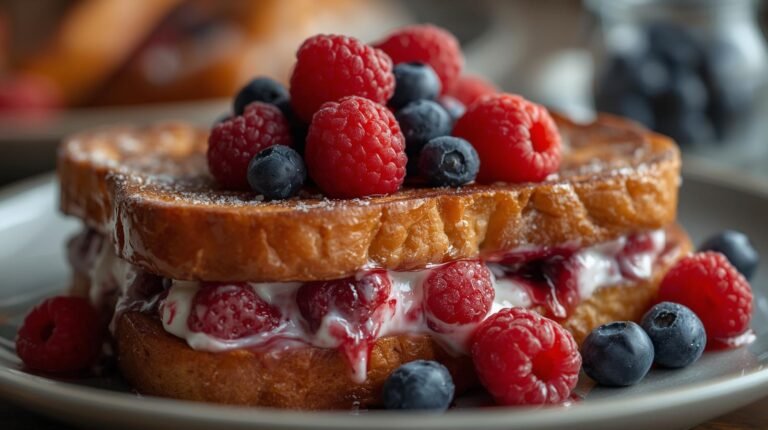
Why it’s famous:
Stuffed French toast is a brunch classic: creamy center, crisp outside. We’ll lighten it a bit but keep the feel.
Ingredients (2 servings)
- 4 slices sturdy bread (brioche, challah, or thick whole-grain)
- 60 g (about ¼ cup) light cream cheese or whipped cream cheese
- ½ cup mixed berries (fresh or thawed frozen), chopped
- 2 large eggs
- ½ cup (120 ml) milk
- 1 tsp vanilla extract
- 1 tsp sugar (for the custard)
- 1 tsp butter or oil for the pan
Optional topping: extra berries + dusting of cinnamon
How to make it
- In a small bowl, mix cream cheese with half the berries (slightly mash them together).
- Spread the cream cheese mixture on 2 slices of bread; top each with another slice to make 2 sandwiches.
- In a shallow dish, whisk eggs, milk, vanilla, and sugar.
- Heat a pan over medium-low; add butter.
- Dip each sandwich carefully into the custard, coating both sides and edges.
- Cook slowly, 3–4 minutes per side, pressing gently with a spatula, until bread is golden and filling is warm.
- Cut in half and serve with remaining berries and a sprinkle of cinnamon.
Approximate nutrition (per stuffed sandwich serving)
- 420–480 kcal
- 16–18 g protein
- 16–20 g fat
- 50–55 g carbs
- 4–6 g fiber (depending on bread)
Enjoy this classic French toast variation as an occasional treat or special brunch centerpiece.
Why it’s interesting:
Most people only think of sweet French toast, but savory versions can be higher in protein, lower in sugar, and perfect for lunch or dinner.
Ingredients (2 servings)
- 4 slices whole-grain or sourdough bread
- 3 large eggs
- ¼ cup (60 ml) milk
- ¼ cup grated cheese (Parmesan, cheddar, or a mix)
- 1 tbsp chopped fresh herbs (parsley, chives, basil) or 1 tsp dried herbs
- Pinch of salt and black pepper
- 1–2 tsp olive oil or butter for the pan
- Optional toppings: sliced tomato, avocado, or a side salad
How to make it
- In a bowl, whisk eggs, milk, cheese, herbs, salt, and pepper.
- Heat a pan with a little olive oil/butter over medium heat.
- Dip bread slices into the savory egg mixture, coating well.
- Cook 2–3 minutes each side until golden and cheese is lightly crisped.
- Serve 2 slices per plate with tomato slices, avocado, or salad.
Approximate nutrition (per serving)
- 330–380 kcal
- 18–22 g protein
- 15–18 g fat
- 30–35 g carbs
- 4–6 g fiber
This savory French toast can stand in for grilled cheese or omelettes and works great as a high-protein brunch or light dinner.
1) Is French toast healthy or unhealthy?
French toast can be either. If you use whole-grain bread, moderate sugar, reasonable toppings, and a good protein source (eggs, Greek yogurt, maybe some fruit), it can fit into a balanced diet. Very sugary, syrup-soaked café versions are more of an occasional treat.
2) What is the best bread for French toast?
For indulgent brunch, use brioche, challah, or thick white bread. For a more nutritious option, go for whole-grain or sourdough, they provide more fiber, micronutrients, and better blood sugar control.
3) Can I make French toast without milk?
Yes. You can use plant milks (almond, soy, oat) or even just eggs thinned with a little water. The texture will change slightly, but it still works.
Leave a Reply