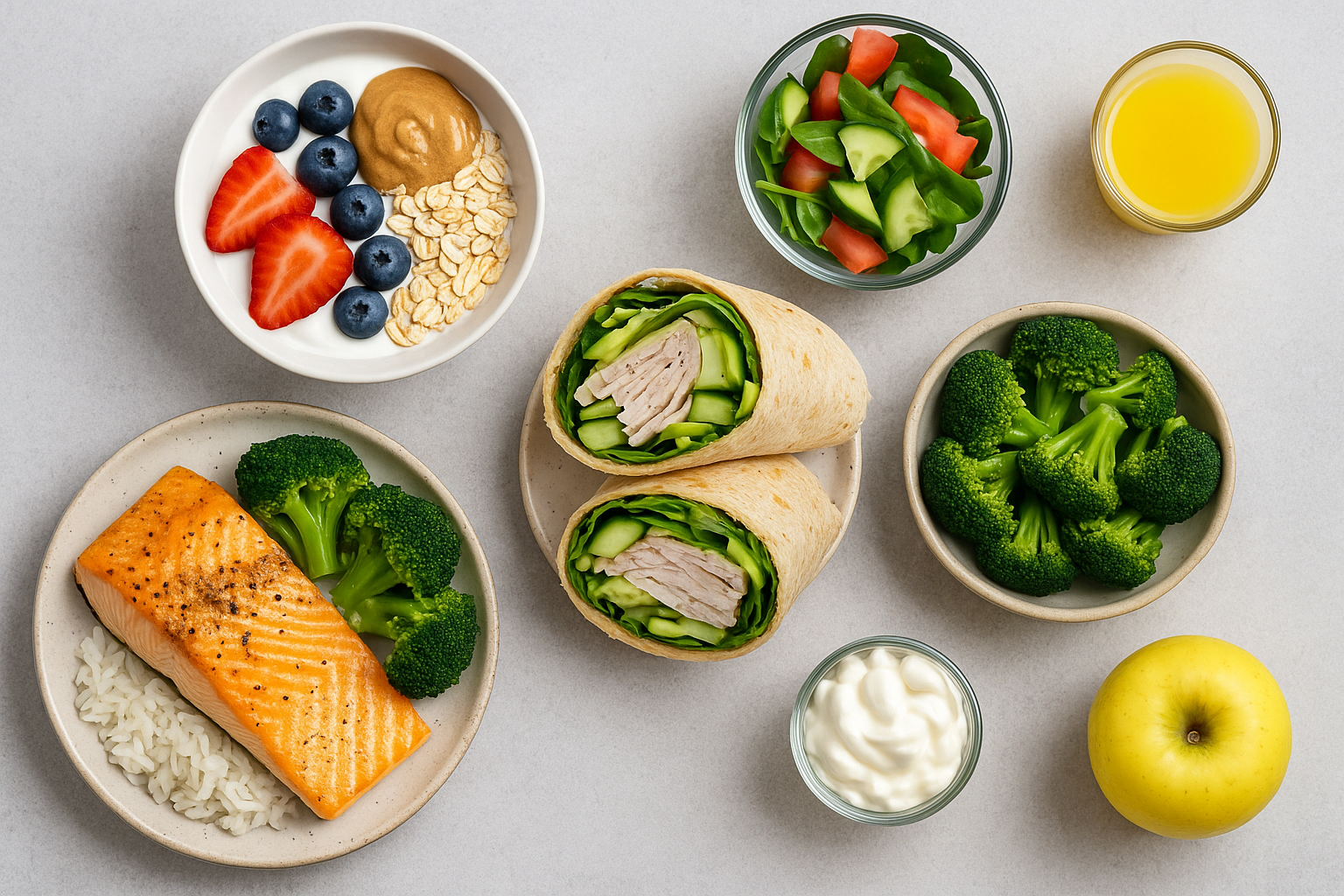
why a gastroesophageal reflux disease diet matters
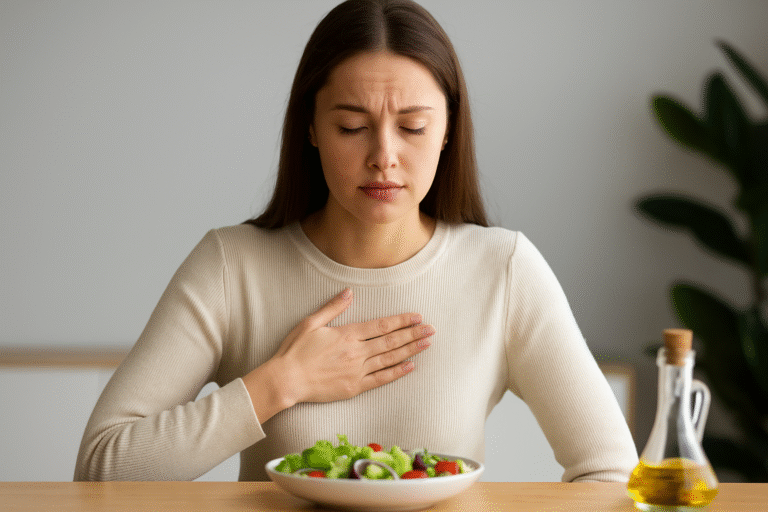
A gastroesophageal reflux disease diet isn’t about bland food, it’s about smart choices that soothe your esophagus and help you lose fat. Tuning your gastroesophageal reflux disease diet can reduce heartburn, support weight loss, and keep energy steady through the day. Clinical guidelines emphasize simple habits first: lose excess weight if needed, avoid late meals, elevate the head of the bed, and identify your personal trigger foods. These changes are front-line recommendations in GERD care.
Bottom line: You don’t need a rigid, joyless menu. You need a repeatable, low-fat, low-irritant plan that fits your life.
- Weight loss helps: Authoritative guidelines recommend weight reduction for those with extra weight because it consistently improves GERD symptoms.
- Timing matters: Aim to finish eating 2–3 hours before bed; gravity is your ally. Nighttime reflux drops when you avoid late meals and slightly elevate your head during sleep.
- Know common triggers: High-fat/greasy meals, peppermint, chocolate, alcohol, and often caffeine/carbonation can aggravate reflux. Acidic items (citrus, tomato) and very spicy dishes bother many people. Use a personal food diary to confirm your culprits.
- Carb quality counts: Emerging research suggests reducing refined carbohydrates can ease symptoms for some people—another tool to test if reflux persists.
Diet for gastroesophageal reflux: what to eat (and what to limit)
GERD-friendly base foods (tend to be well-tolerated and weight-loss friendly):
- Oats, quinoa, brown rice, whole-grain tortillas (watch portions).
- Lean proteins: skinless chicken, turkey, white fish, tofu, tempeh, lentils.
- Low-fat dairy or lactose-free alternatives (e.g., Greek yogurt, kefir, soy yogurt).
- Non-acidic fruit: bananas, melons, pears, cooked apples.
- Vegetables: spinach, zucchini, carrots, broccoli, green beans (steam/roast with minimal oil).
- Fats in moderation: extra-virgin olive oil, avocado (small amounts), chia/flax.
Foods that commonly cause acid reflux or indigestion (test and limit):
fried/greasy meals, very fatty cuts of meat, chocolate, peppermint, onions/garlic (for some), alcohol, caffeinated coffee, energy drinks/sodas, and acidic sauces (tomato, citrus).
Step-by-step GERD meal strategy (scannable + sustainable)
1) Build a low-fat plate
Keep fat modest at each meal (1–2 tsp oil equivalent) to prevent relaxation of the LES (the valve that keeps acid down). Choose grilling, baking, air-frying, or steaming over deep-frying.
2) Front-load protein and fiber
Protein (20–30 g/meal) curbs hunger; fiber smooths blood sugar and supports weight loss—without triggering reflux if you choose gentle sources like oats, lentils, and cooked veg.
3) Time it right
Finish dinner 2–3 hours before bed and avoid “second dinners.” If hungry later, sip warm water or try a small low-acid snack (e.g., banana with a spoon of yogurt).
4) Keep a 10-day trigger log
Track what you ate, size of meal, timing, posture after eating, and symptoms (0–10). Patterns show up fast and are more reliable than generic “avoid lists.”
GERD-friendly weight-loss recipes (fat-reduction focus)
1) Build a low-fat plate
Keep fat modest at each meal (1–2 tsp oil equivalent) to prevent relaxation of the LES (the valve that keeps acid down). Choose grilling, baking, air-frying, or steaming over deep-frying.
2) Front-load protein and fiber
Protein (20–30 g/meal) curbs hunger; fiber smooths blood sugar and supports weight loss—without triggering reflux if you choose gentle sources like oats, lentils, and cooked veg.
3) Time it right
Finish dinner 2–3 hours before bed and avoid “second dinners.” If hungry later, sip warm water or try a small low-acid snack (e.g., banana with a spoon of yogurt).
4) Keep a 10-day trigger log
Track what you ate, size of meal, timing, posture after eating, and symptoms (0–10). Patterns show up fast and are more reliable than generic “avoid lists.”
GERD-friendly weight-loss recipes (fat-reduction focus)
These fit acid reflux disease diet principles, emphasize satiety, and stay light on fat—ideal for readers searching “gastroesophageal diet”, “diet for gastroesophageal reflux”, “acid reflux disease foods to avoid”, and “GERD meal prep.”
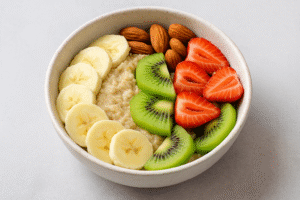
A) Low-Acid Breakfast Bowl (360 kcal, 24 g protein)
Ingredients (1 serving):
½ cup oats, ¾ cup lactose-free/low-fat milk (or soy), 1 small banana (sliced), ½ cup Greek yogurt, 1 tsp chia, cinnamon.
Method: Simmer oats in milk until creamy. Top with yogurt, banana, chia, cinnamon.
Why it helps: Warm, low-fat, non-acidic, high satiety.
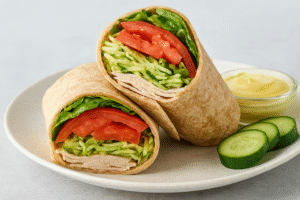
B) Lunchtime Turkey–Zucchini Wrap (420 kcal, 35 g protein)
Ingredients (1 serving):
1 whole-grain tortilla, 3–4 oz sliced grilled turkey, 1 cup sautéed zucchini/carrot ribbons (in 1 tsp olive oil), handful spinach, 2 tbsp yogurt-dill sauce (yogurt + dill + pinch salt).
Method: Layer ingredients, roll, and grill 1–2 min for structure
Why it helps: Lean protein + veggies + minimal oil. No tomato/citrus.
C) One-Pan Salmon & Rice with Steamed Greens (480 kcal, 32 g protein)
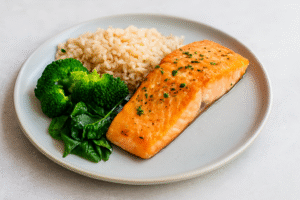
Ingredients (1 serving):
4 oz salmon, ¾ cup cooked rice (or quinoa), 1–2 cups broccoli/green beans, 1 tsp olive oil, herbs (dill/parsley), lemon wedge on the side (optional; skip if acidic triggers you).
Method: Bake salmon 10–12 min at 400°F. Steam greens; plate with rice. Drizzle oil and herbs; add lemon only if tolerated.
Why it helps: Balanced, low-irritant, high omega-3s without heavy sauces.
- Portion cues for fat loss: keep plates ½ veggies, ¼ lean protein, ¼ grains; use a teaspoon to measure oils.
FAQs
- What foods cause gastroesophageal reflux disease flare-ups?
Large, high-fat meals, chocolate, peppermint, alcohol, caffeinated and carbonated drinks, and many acidic sauces are common triggers. Confirm your personal list with a food diary. - What’s the best breakfast for GERD and weight loss?
Warm oats with low-fat dairy or soy, banana, and Greek yogurt is gentle, filling, and protein-rich; it avoids citrus and heavy fats. - How long before bed should I stop eating with acid reflux?
Finish meals 2–3 hours before lying down to reduce nighttime reflux. - Do I need to cut coffee completely on a GERD diet?
Not everyone must. Some do better with half-caf, smaller cups, or switching to non-caffeinated options. Track your response; if coffee worsens symptoms, substitute water or herbal tea. - Can lowering carbs help GERD?
In some people, reducing refined carbohydrates is a practical strategy that lessens symptoms—worth a 2-week trial alongside other habits.
Leave a Reply