Gluten free foods for breakfast don’t have to be boring or complicated. With the right pantry staples and smart swaps, gluten-free breakfast food can be protein-rich, fiber-forward, and fast enough for busy mornings. Below you’ll find what to watch for (cross-contamination, hidden gluten) and five thoroughly explained recipes—each with realistic timing, storage tips, and nutrition notes.
Reduced inflammation: Many people unknowingly experience bloating or fatigue after gluten. A gluten-free breakfast may reduce inflammation and improve gut health.
Better digestion: Certified gluten-free oats, quinoa, chia, and buckwheat promote smoother digestion and more regular bowel movements due to high fiber.
Steady blood sugar: Gluten-free breakfasts built around protein, fiber, and healthy fats prevent glucose spikes that cause mid-morning hunger.
Supports muscle tone: When combined with protein smoothies, these breakfasts help maintain muscle during calorie deficits — key for sustainable weight loss.
Each smoothie below is gluten-free, high in protein, and under 350 calories perfect for weight loss without losing satisfaction.
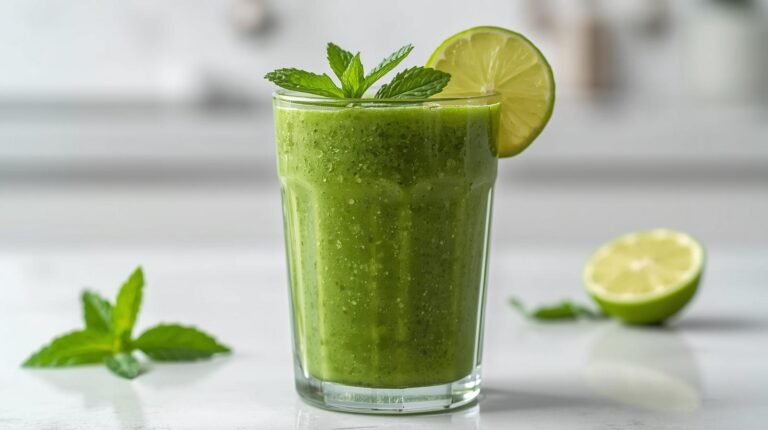
Why it works: Combines chlorophyll-rich greens with fiber and plant protein for gut balance.
Ingredients:
- 1 cup spinach
- ½ frozen banana
- ½ cup cucumber
- 1 scoop plant-based protein powder (gluten-free)
- 1 cup unsweetened almond milk
- 1 tsp chia seeds
- Juice of ½ lemon
Blend & serve. Refreshing and alkalizing, this smoothie helps reduce water retention and inflammation.
Nutrition: 280 kcal | 24 g protein | 8 g fiber
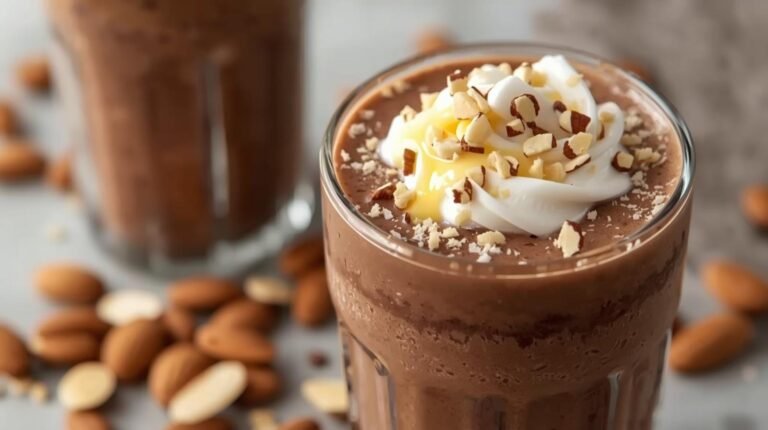
Why it works: Cocoa + almond butter satisfies sweet cravings while keeping calories in check.
Ingredients:
- 1 cup unsweetened soy milk
- 1 tbsp almond butter
- 1 scoop whey or pea protein
- 1 tsp unsweetened cocoa
- Ice + cinnamon
Blend until creamy. It tastes like dessert but fuels muscle recovery.
Nutrition: 310 kcal | 27 g protein | 6 g fiber
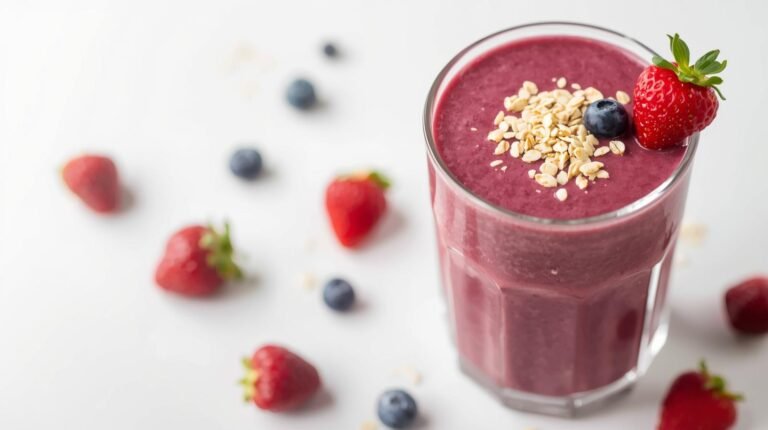
Why it works: Combines slow carbs (certified gluten-free oats) with antioxidants for sustained energy.
Ingredients:
- ½ cup certified GF oats
- ¾ cup frozen mixed berries
- 1 cup almond milk or kefir
- 1 scoop vanilla protein powder
- 1 tsp honey or stevia (optional)
Blend and chill. This smoothie keeps you full for 3–4 hours.
Nutrition: 340 kcal | 25 g protein | 9 g fiber >: Cocoa + almond butter satisfies sweet cravings while keeping calories in check.
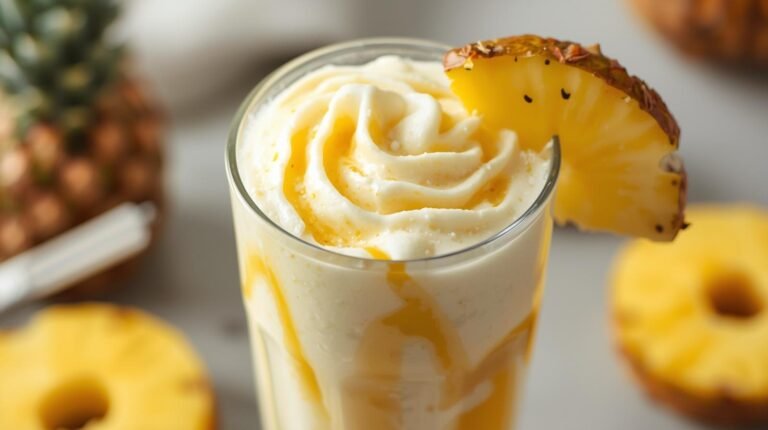
Why it works: Casein-rich cottage cheese offers slow-digesting protein for longer satiety.
Ingredients:
- ½ cup low-fat cottage cheese
- 1 cup frozen pineapple
- 1 scoop vanilla protein powder
- ½ cup water + ½ cup ice
Blend until smooth and creamy. The pineapple masks the tang, giving a tropical flavor with powerful protein content.
Nutrition: 320 kcal | 35 g protein | 5 g fiber
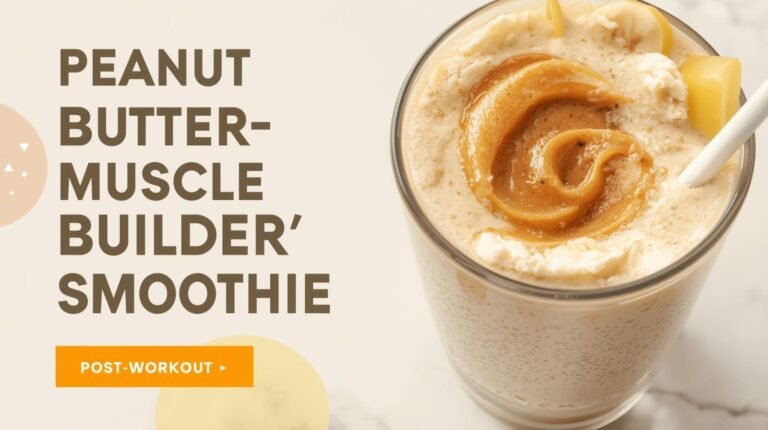
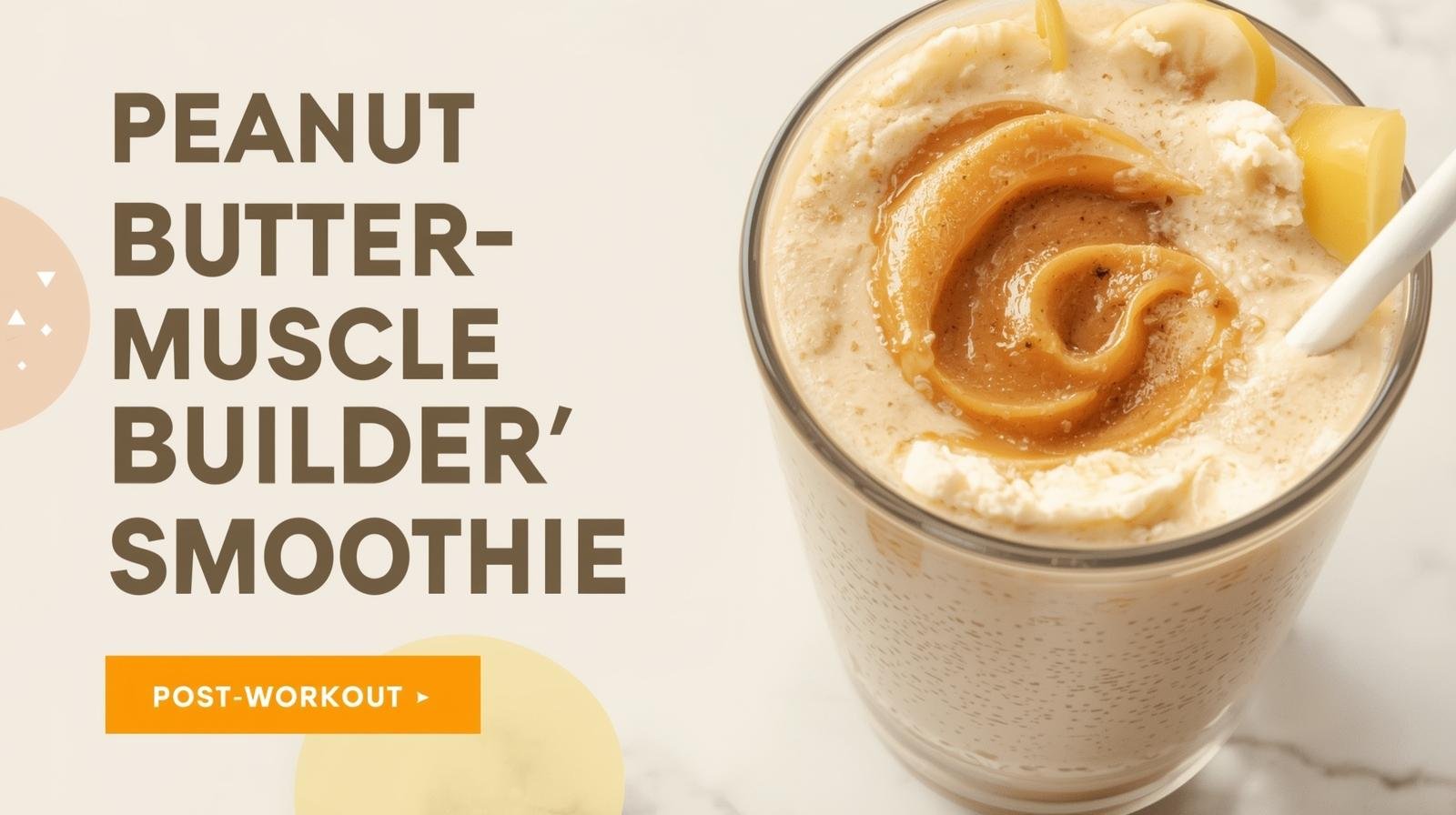
Why it works: Balanced macros make this perfect post-workout.
Ingredients:
- 1 small banana
- 1 tbsp peanut butter
- 1 cup oat milk (gluten-free)
- ½ scoop chocolate protein powder
- Ice cubes
Blend until thick and silky. It’s indulgent, energizing, and helps reduce post-workout fatigue.
Nutrition: 330 kcal | 28 g protein | 6 g fiber
- Add 1 tbsp flaxseed or hemp hearts to any smoothie (2–3 g extra protein).
- Use frozen cauliflower or zucchini for creaminess without sugar.
- Swap juice for unsweetened almond milk or water to lower calories.
- Pair smoothies with a boiled egg, cottage cheese bowl, or chia pudding for texture and extra protein.
1. What’s the best gluten-free food for breakfast for weight loss?
Certified gluten-free oats, Greek yogurt, eggs, quinoa, and protein smoothies made with almond milk or plant-based powders.
2. Are smoothies gluten-free by default?
Most are, but check your protein powder — some contain barley malt or gluten-based thickeners. Choose certified gluten-free labels.
3. Can gluten-free smoothies really help with weight loss?
Yes, when balanced with protein + fiber + healthy fats, they reduce appetite, stabilize blood sugar, and preserve muscle mass.
Leave a Reply