Green tea weight loss drink is one of the most searched phrases every time people decide “this is the year I finally slim down.” And yes, drinking green tea and weight loss are connected in the research—but not in a magic, drink-this-and-drop-10-kg way.
Meta-analyses show green tea catechins plus caffeine can slightly increase energy expenditure and fat oxidation, leading to modest extra weight loss when combined with a calorie deficit and movement. Think of green tea for weight loss as a helpful sidekick, not the superhero.
Below you’ll find:
A quick science breakdown
How much green tea to drink
4 simple “green tea weight loss drinks” with steps and nutrition
A practical FAQ and CTA for your readers
Green tea is rich in catechins, especially EGCG (epigallocatechin gallate), and contains a small amount of caffeine. Together, they can:
Slightly raise daily calorie burn (thermogenesis)
Increase fat oxidation (your body using more fat as fuel)
Meta-analyses of randomized trials show:
Green tea / green tea extract leads to small but significant reductions in body weight and BMI vs control.
The effect size is modest—often 1–3 kg over several months, assuming diet and lifestyle are also improving.
Recent reviews note that green tea’s impact is supportive, not dramatic. A calorie deficit and regular movement still drive most of the fat loss.
A typical 250 ml cup of brewed green tea provides roughly:
50–100 mg catechins (some estimates higher, depending on brand & brew)
30–40 mg caffeine
Most weight-loss and heart-health research uses 2–4 cups per day or equivalent catechin intake.
Safety notes (important for your blog):
Brewed tea is generally safe in moderate amounts.
High-dose green tea extract supplements (especially 800+ mg EGCG in bolus form) have been linked to liver issues in some cases.
Authorities suggest ~700 mg EGCG/day from beverages as an “observed safe level,” but most people are far below this with 2–4 cups.
Always add a disclaimer for:
Pregnancy, breastfeeding
Liver disease, heart conditions, anxiety
Those on medications that interact with caffeine or green tea extract
Encourage these readers to talk to their doctor before using strong green tea supplements.
Best for: “simple green tea weight loss drink”, “how to drink green tea for weight loss”
Ingredients (1 cup)
1 green tea bag or 1 tsp loose green tea
250 ml hot water (about 80–85°C; not boiling)
Optional: squeeze of lemon, 1–2 mint leaves
Steps
Heat water until just before boiling (boiling can make green tea bitter).
Steep tea bag or leaves for 2–3 minutes.
Remove tea bag/strain leaves.
Add lemon or mint if you like, but skip sugar and heavy honey for a true weight-loss drink.
Approximate nutrition (no sweetener)
Calories: ~0–2 kcal
Protein: 0 g
Carbs: 0 g
Fat: 0 g
Caffeine: ~30–40 mg
Catechins/EGCG: widely variable, often 50–100+ mg EGCG per cup.
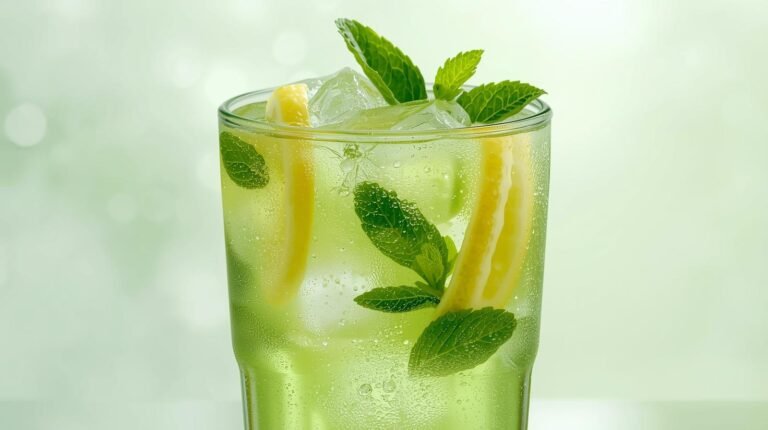
Best for: “cold green tea weight loss drink”, “homemade green tea fat burning drink”
Ingredients (2 servings)
2 green tea bags
500 ml hot water
Juice of ½ lemon
A handful of fresh mint leaves
Ice cubes
Optional: 1–2 tsp honey total (keep it modest)
Steps
Steep 2 green tea bags in 500 ml hot water for 2–3 minutes.
Remove bags and let the tea cool to room temperature.
Add lemon juice and mint leaves.
Refrigerate 1–2 hours, then serve over ice.
If desired, stir in a very small amount of honey for taste (you can suggest skipping it for stricter weight loss).
Approximate nutrition (per 250 ml glass, no honey)
Calories: ~2–5 kcal
Protein: 0 g
Carbs: 0–1 g
Fat: 0 g
Caffeine: ~30–40 mg
Catechins: similar to hot tea, slightly variable with cooling
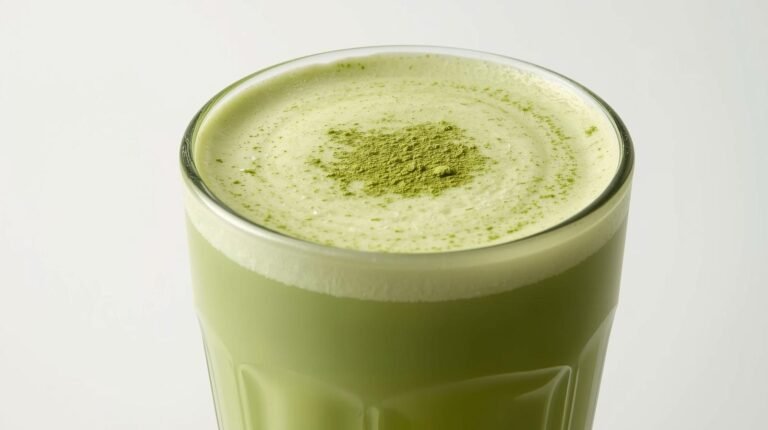
Best for: “matcha green tea for weight loss”, “green tea latte for weight loss”
Matcha is powdered green tea, so you consume the whole leaf; it often contains higher catechins and caffeine per serving than regular brewed tea.
Ingredients (1 serving)
½–1 tsp matcha powder (start low if you’re caffeine-sensitive)
200 ml hot water or unsweetened milk / soy milk
30–50 ml extra milk or soy milk (frothed, optional)
Optional: ½–1 tsp honey or stevia
Steps
Sift matcha into a mug to avoid clumps.
Add a small splash of hot (not boiling) water and whisk into a smooth paste.
Add remaining hot water or hot milk and whisk until frothy.
Sweeten lightly if desired.
Approximate nutrition (with 200 ml unsweetened soy milk, ½ tsp matcha)
Calories: ~60–80 kcal
Protein: ~5–7 g
Carbs: ~3–5 g
Fat: ~3–4 g
Caffeine: ~40–70 mg (varies widely)
Catechins/EGCG: often higher than brewed tea; one 250 ml matcha serving may provide 50–100+ mg EGCG, but products vary.
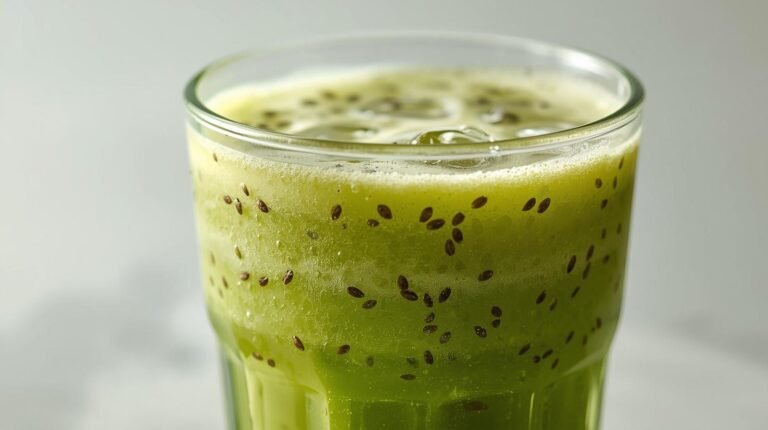
Best for: “green tea weight loss drink recipe”, “green tea and chia seeds for weight loss”
Chia seeds add fiber and volume, which can help with fullness and appetite control while keeping calories moderate.
Ingredients (1 serving)
1 cup cooled brewed green tea
1 tbsp chia seeds
A squeeze of lemon or lime
Optional: a few cucumber slices, mint leaves
Steps
Brew green tea as in recipe #1 and let it cool.
Stir in chia seeds thoroughly.
Let sit 10–15 minutes so the chia can swell and form a light gel.
Add lemon/lime and optional cucumber/mint.
Stir again before sipping.
Approximate nutrition
Calories: 60–70 kcal
Protein: 2–3 g
Carbs: 5–7 g
Fat: 4–5 g (healthy fats from chia)
Fiber: 4–5 g
1. How many cups of green tea should I drink for weight loss?
Most research uses 2–4 cups per day. More isn’t always better—especially if you’re sensitive to caffeine or taking medications.
2. What is the best time to drink green tea for weight loss?
There’s no magic time, but practical options are:
Morning instead of sugary coffee drinks
Between meals to curb cravings
Avoid large amounts late at night if caffeine affects your sleep (poor sleep can stall fat loss).
3. Does green tea burn belly fat specifically?
No food targets just “belly fat.” Green tea can modestly increase overall fat oxidation, but visible belly fat loss still depends on total calorie deficit, movement and genetics.
Leave a Reply