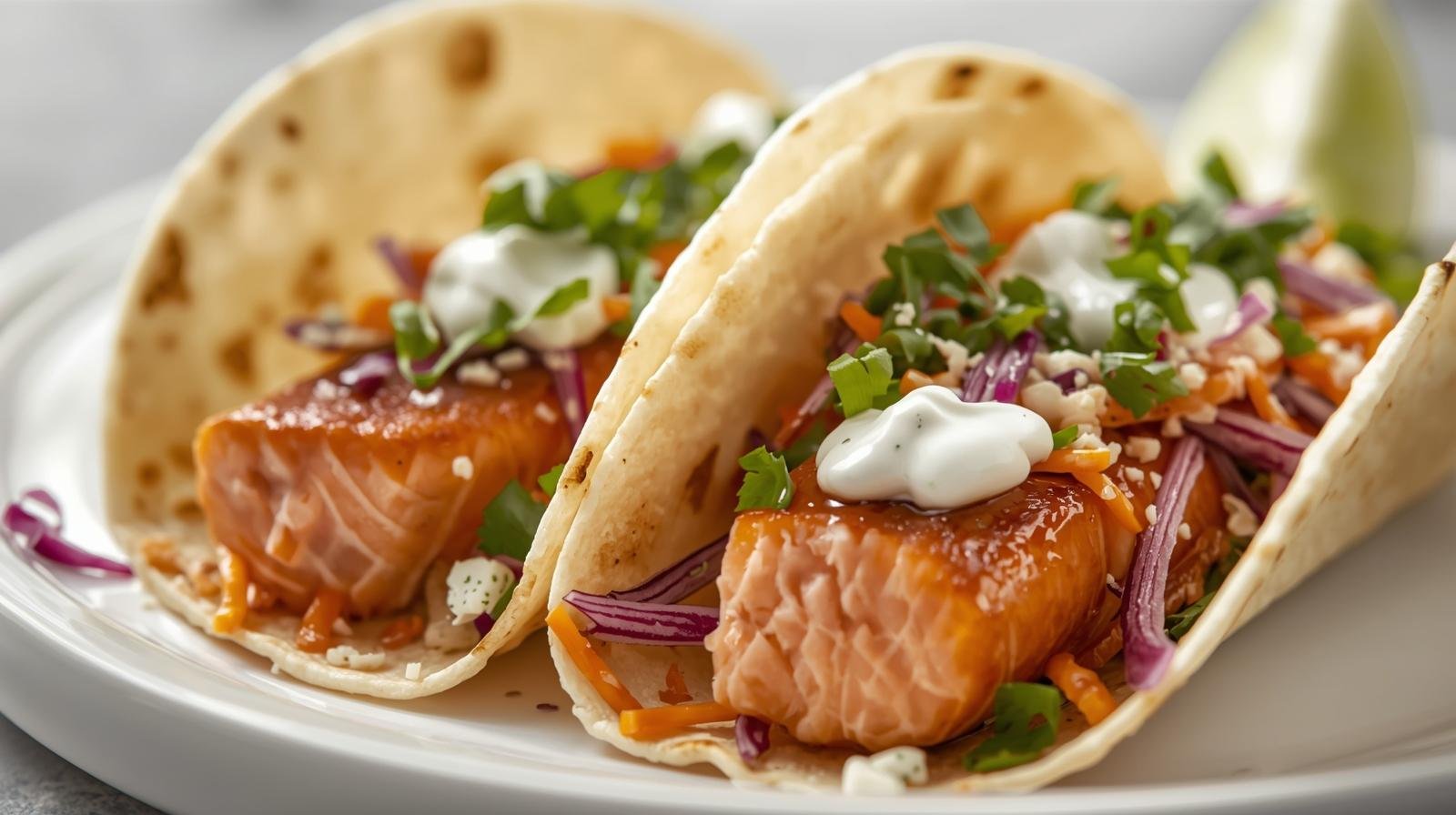
Salmon recipes, fish taco, fish and chip – just reading those three together feels like a full weekend menu. The good news? You can enjoy all of them in a way that’s flavourful and nutrition-smart. With a few simple tweaks, classic comfort dishes like fish tacos and fish & chips can deliver protein, omega-3s, and better fats instead of just grease and guilt.
Below you’ll find 4 famous fish dishes built around your focus keywords:
Easy baked salmon
Salmon fish tacos
“Lighter” fish & chips
A salmon grain bowl
Each includes step-by-step instructions and approximate nutrition benefits you can adapt for your blog.
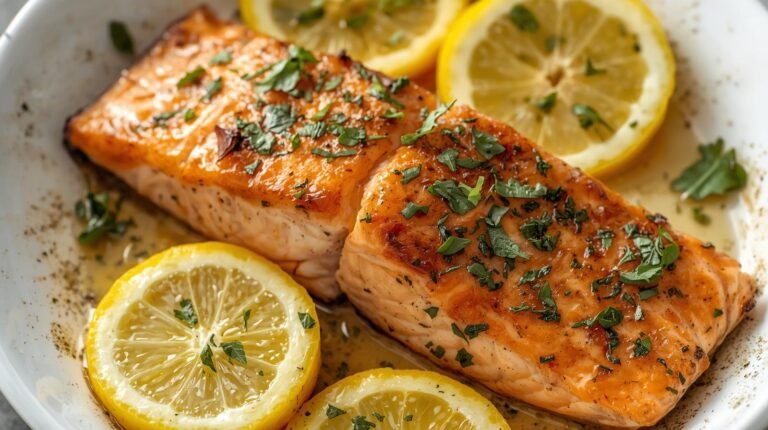
Why this recipe works
- Uses baking instead of deep-frying, so you keep heart-healthy fats intact.
- Fatty fish like salmon are rich in omega-3s (EPA & DHA) and high-quality protein.
- Simple seasoning makes it beginner-friendly and Discover-friendly (lots of searches for “simple salmon recipes”).
Ingredients (2 servings)
2 salmon fillets (about 120 g / 4 oz each)
1 tbsp extra virgin olive oil
Juice of ½ lemon, plus extra wedges to serve
1 garlic clove, minced
1 tsp dried Italian herbs (or mix of oregano + thyme)
Salt and black pepper to taste
Optional: sliced zucchini or cherry tomatoes on the same tray.
Step-by-step
Preheat the oven
Heat to 200°C / 400°F. Line a baking tray with parchment.
Season the salmon
Pat fillets dry.
Mix olive oil, lemon juice, garlic, herbs, salt and pepper.
Brush or spoon this mixture over the salmon.
Add vegetables (optional)
Toss zucchini or tomatoes in any leftover marinade and place around the salmon.
Bake
Bake 12–15 minutes, depending on thickness, until the salmon flakes easily with a fork.
Serve
Finish with fresh lemon wedges and a side of salad, rice, or roasted potatoes.
Approximate nutrition per serving (1 fillet + drizzle of oil)
Calories: ~260–300 kcal
Protein: ~23–25 g
Fat: ~17–19 g (mostly unsaturated)
Carbs: ~0–3 g (before sides)
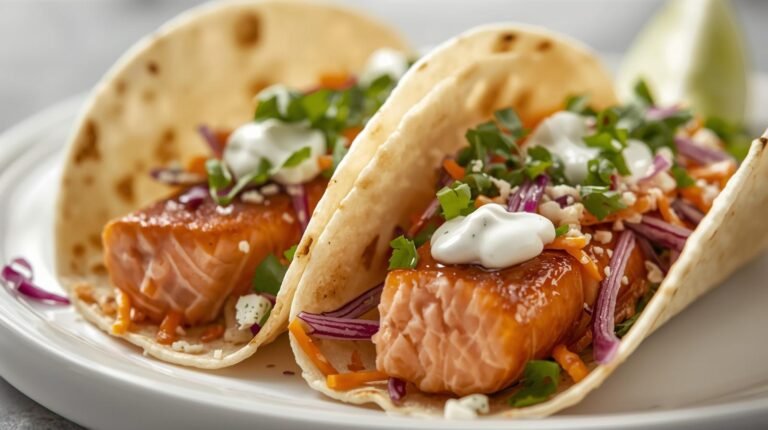
Why this recipe works
Uses salmon instead of battered white fish, so you get more omega-3 and no deep-frying.
Greek yogurt slaw instead of mayo reduces saturated fat and boosts protein.
Tacos are hugely popular and highly searched (fish taco, salmon tacos, taco Tuesday etc.).
Ingredients (2 servings)
For the salmon:
250 g salmon fillet (skinless if possible)
1 tbsp olive oil
1 tsp chili powder or paprika
½ tsp ground cumin
½ tsp garlic powder
Salt and pepper
For the slaw:
1 cup finely shredded cabbage (red or green)
¼ cup plain Greek yogurt
Juice of ½ lime
1 tbsp chopped fresh cilantro
Pinch of salt and pepper
To serve:
4 small corn or whole-wheat tortillas
Extra lime wedges
Optional: sliced avocado, diced tomato, extra cilantro
Step-by-step
Prep the salmon
In a bowl, mix olive oil, chili/paprika, cumin, garlic powder, salt and pepper.
Rub all over the salmon. Let marinate 10–15 minutes if you have time.
Make the slaw
In another bowl, combine yogurt, lime juice, cilantro, salt and pepper.
Add shredded cabbage and toss until coated. Chill until serving.
Cook the salmon
Heat a non-stick pan on medium.
Cook salmon 3–4 minutes per side until just cooked through.
Remove from heat and gently flake into bite-size pieces.
Warm the tortillas
Heat tortillas in a dry pan or directly over a low flame for a few seconds each side.
Assemble fish tacos
Add salmon pieces to each tortilla.
Top with yogurt lime slaw, avocado/tomato if using, and an extra squeeze of lime
Approximate nutrition per serving (1 fillet + drizzle of oil)
- Calories: ~350–400 kcal
- Protein: ~25–28 g
- Fat: ~16–19 g
- Carbs: ~30–35 g
- Fiber: ~4–6 g
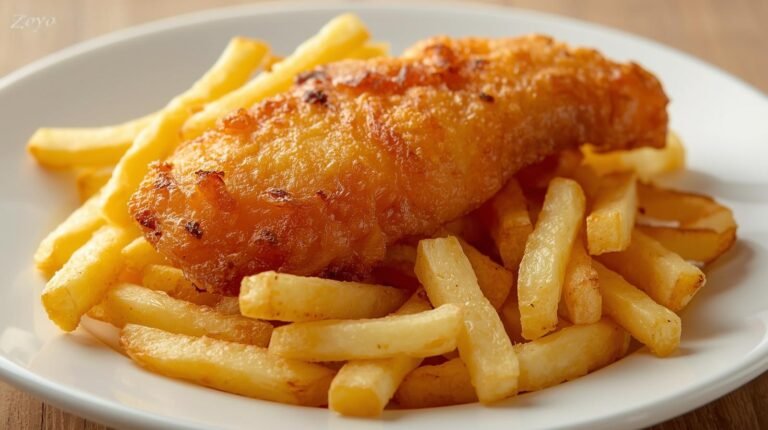
Why this recipe works
Classic fish and chip plates are deep-fried in lots of oil.
This version uses panko-coated fish baked in the oven, plus oven chips, giving crunch with much less fat.
Great way to keep traditional comfort food on a “healthy food” website.
Ingredients (2 servings)
For the fish:
2 white fish fillets (cod, haddock, pollock – about 120 g each)
1 egg, beaten
½ cup panko breadcrumbs
1–2 tbsp grated parmesan (optional, for flavour)
½ tsp paprika
Salt and pepper
1–2 tsp olive oil (for drizzling or spraying)
For the “chips”:
2 medium potatoes, cut into wedges or thick fries
1 tbsp olive oil
½ tsp paprika or garlic powder
Salt and pepper
For the salmon:
250 g salmon fillet (skinless if possible)
1 tbsp olive oil
1 tsp chili powder or paprika
½ tsp ground cumin
½ tsp garlic powder
Salt and pepper
For the slaw:
1 cup finely shredded cabbage (red or green)
¼ cup plain Greek yogurt
Juice of ½ lime
1 tbsp chopped fresh cilantro
Pinch of salt and pepper
To serve:
4 small corn or whole-wheat tortillas
Extra lime wedges
Optional: sliced avocado, diced tomato, extra cilantro
Step-by-step
Preheat the oven
Heat to 220°C / 425°F. Line a large baking tray with parchment.
Prep the potatoes
Toss potato wedges with olive oil, paprika/garlic, salt and pepper.
Spread on one side of the tray and start baking for ~15 minutes while you prep the fish.
Prep the fish coating
In one shallow dish, place beaten egg.
In another, mix panko, parmesan, paprika, salt and pepper.
Coat the fish
Pat fish dry.
Dip each fillet in egg, then press into panko mixture to coat.
Place on the other side of the tray. Lightly drizzle or spray with oil.
Bake
Bake everything together for another 12–15 minutes, turning potatoes once, until:
Fish is golden and flakes easily.
Chips are crisp outside and tender inside.
Serve
Plate fish with chips and a side of peas or salad. Add lemon wedges and, if desired, a small spoon of yogurt-based tartar sauce.
Approximate nutrition per serving (1 fillet + drizzle of oil)
Calories: 500–600 kcal (less than many deep-fried versions)
Protein: 30–35 g
Fat: 18–24 g (depending on oil use)
Carbs: 55–65 g
Fiber: 6–8 g
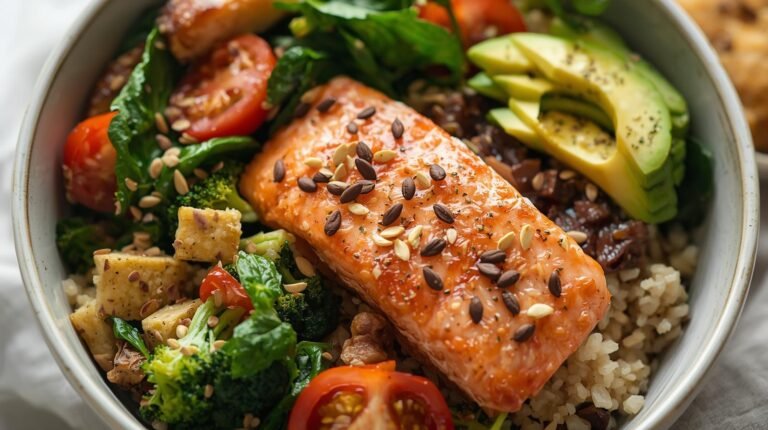
Why this recipe works
Combines salmon protein + whole-grain carbs + vegetables + healthy fats.
Great fit for readers looking for balanced, macro-friendly salmon recipes.
Works well as meal prep or “leftover salmon” idea.
Ingredients (2 servings)
2 small salmon fillets (about 100–120 g each), cooked (you can use leftovers from recipe #1)
1 cup cooked brown rice or quinoa
1 cup steamed or roasted vegetables (broccoli, carrots, green beans)
½ avocado, sliced
2 tbsp chopped fresh herbs (parsley, cilantro, or green onion)
Dressing:
1½ tbsp extra virgin olive oil
1 tbsp lemon juice
½ tsp Dijon mustard
Salt and pepper
Step-by-step
Cook base ingredients
Prepare brown rice or quinoa according to package.
Steam or roast vegetables until tender.
Cook salmon if not using leftovers (bake or pan-sear).
Make the dressing
Whisk olive oil, lemon juice, mustard, salt and pepper.
Assemble bowls
Divide rice/quinoa between two bowls.
Top each with vegetables, salmon (flaked or whole) and sliced avocado.
Drizzle dressing over everything.
Finish
Sprinkle fresh herbs on top. Serve warm or at room temperature.
Approximate nutrition per serving (1 fillet + drizzle of oil)
Calories: ~550–650 kcal
Protein: ~30–35 g
Fat: ~25–30 g (mostly unsaturated)
Carbs: ~45–55 g
Fiber: ~8–10 g
1. Are salmon recipes healthier than fish and chips?
Usually yes. Most salmon recipes (especially baked or grilled) are lower in saturated fat and provide more omega-3s, while classic fish & chips is often deep-fried and higher in total calories and fat. The lighter baked fish & chips version in this blog closes that gap.
2. What is the healthiest way to cook salmon?
The healthiest salmon recipes typically:
Bake, grill, or pan-sear with minimal oil
Use herbs, citrus, garlic and spices instead of heavy cream sauces
Pair salmon with vegetables and whole grains
Deep-frying or smothering salmon in heavy cream/butter shifts it from “heart-healthy” to “occasional treat.”
3. Can fish tacos be good for weight loss?
Yes—if you:
Use grilled or baked fish (like salmon or white fish), not deep-fried
Choose corn or whole-wheat tortillas
Load up veggies and yogurt-based sauces instead of heavy cheese and sour cream
Portion control still matters (2–3 tacos with a salad is very different from 6 large tacos plus fries).
Leave a Reply