What it is: Subcutaneous adipose tissue (SAT) sits just beneath the skin; visceral adipose tissue (VAT) wraps organs deeper in the abdomen. VAT is more strongly tied to cardio-metabolic risk, while SAT still functions as an active endocrine organ (leptin, adiponectin) and offers insulation and mechanical protection.
Risk snapshot: Elevated waist circumference—>102 cm (men) and >88 cm (women)—signals higher metabolic risk, reflecting excess abdominal fat (subcutaneous + visceral). Waist-to-height ratio (WHtR) ≥ 0.5 is a simple screen used across sexes and ethnicities.
Why this helps you: You can’t “choose” where fat leaves first, but improving diet quality, activity, and sleep lowers total and central fat over time—shifting risk in the right direction. (Spot-reduction claims remain weak overall.)
At home:
Waist circumference: measure at the navel after a normal exhale; track weekly. Risk thresholds: >102 cm men, >88 cm women.
Waist-to-height ratio (WHtR): aim < 0.5 (e.g., 170 cm height → keep waist < 85 cm).
At home:
Waist circumference: measure at the navel after a normal exhale; track weekly. Risk thresholds: >102 cm men, >88 cm women.
Waist-to-height ratio (WHtR): aim < 0.5 (e.g., 170 cm height → keep waist < 85 cm).
Fiber first: Aim 25–35 g/day, emphasizing soluble/viscous fiber (oats, barley, beans, chia) for appetite and glucose control that assist body-fat loss.
Protein pacing: Distribute 20–40 g per meal to preserve lean mass while dieting—key for a better look and easier maintenance. (Supported across body-composition literature.)
Alcohol? Keep minimal; heavier patterns correlate with more ectopic/visceral fat and worse metabolic profiles.
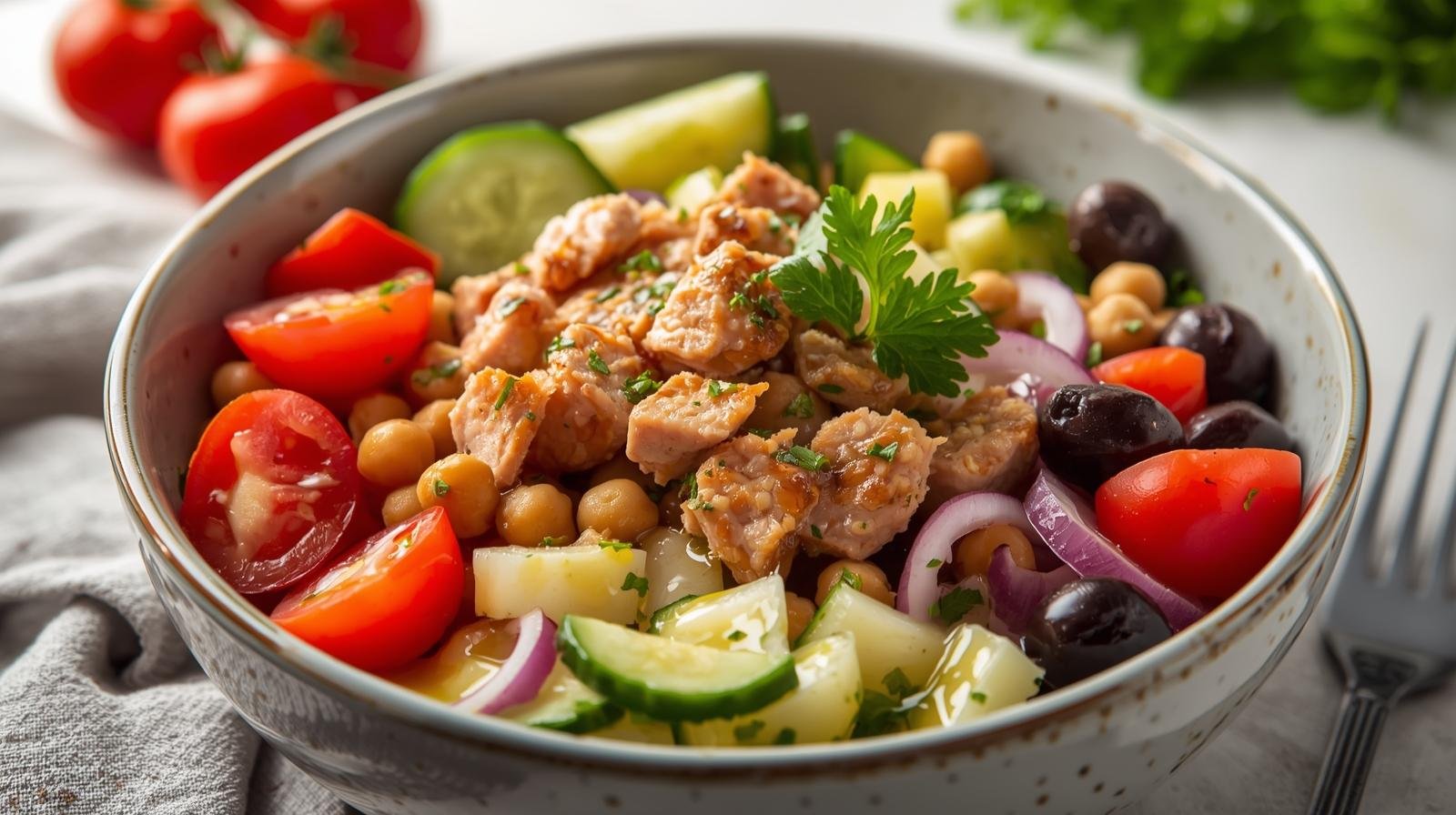
Each designed to support fat-loss nutrition: high fiber, lean protein, polyphenols, minimal added sugar.
Per bowl (approx.): 35 g protein, 12 g fiber.
You need: tuna in olive oil (drained), chickpeas, cherry tomatoes, cucumber, red onion, parsley, olives, cooked barley/farro, lemon, extra-virgin olive oil.
Do this: Toss with lemon + EVOO; season.
Why it helps: Protein + soluble fiber + polyphenols align with cardiometabolic wins.
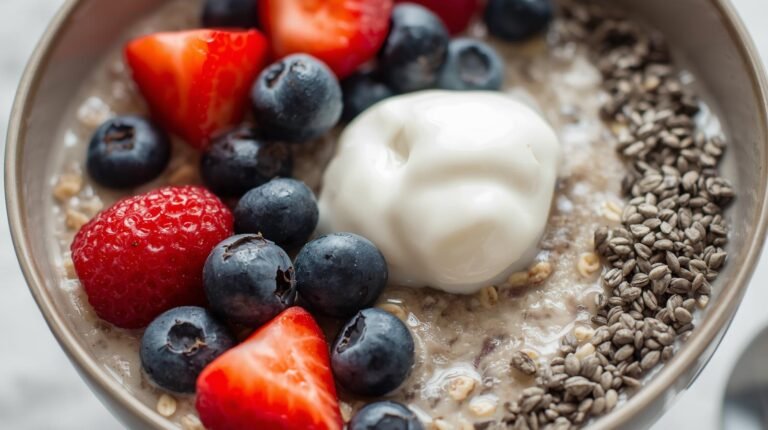
Per jar: 30 g protein, 10–12 g fiber.
You need: rolled oats, chia, unsweetened milk, plain skyr/Greek yogurt, mixed berries, vanilla, cinnamon.
Do this: Mix, refrigerate overnight; top with berries.
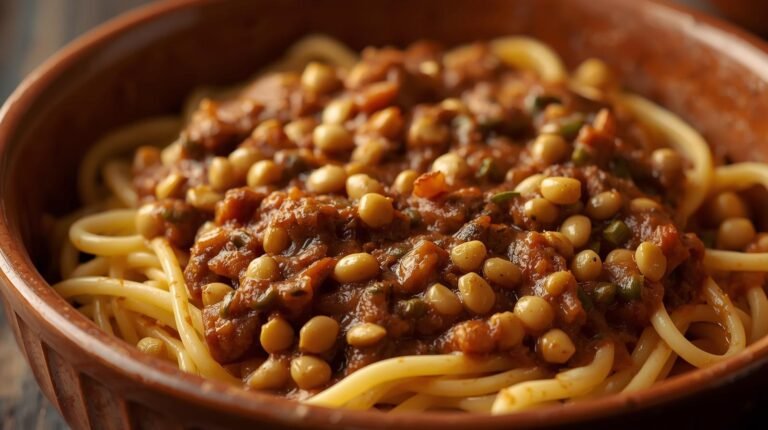
Per serving: 25 g protein, 15 g fiber.
You need: dry lentils, walnuts, onion, carrot, celery, garlic, crushed tomatoes, Italian herbs, EVOO; serve over whole-grain pasta.
Do this: Sauté aromatics, simmer lentils in tomatoes, finish with chopped walnuts.
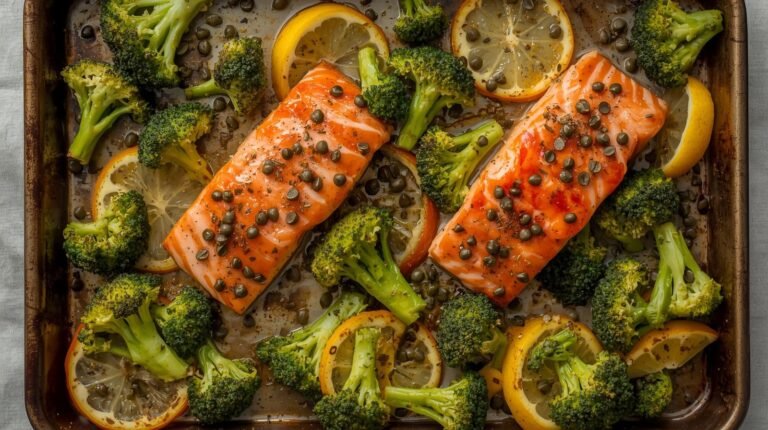
Per serving: 35 g protein.
Do this: Roast salmon + broccoli at 220 °C/425 °F for 12–14 min with EVOO, lemon, capers.
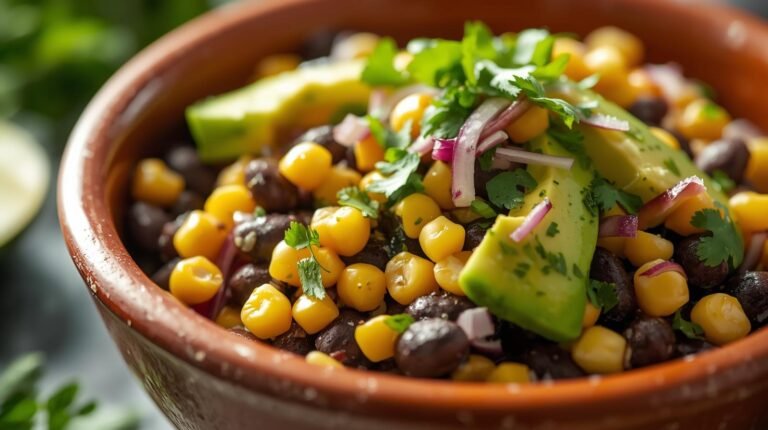
Per bowl: 20 g protein (with yogurt-lime dressing), 16 g fiber.
Do this: Combine black beans, corn, red pepper, red onion, cilantro, avocado; dress with yogurt-lime-cumin.
1) Is subcutaneous fat dangerous?
In moderation it’s protective and endocrine-active; excess body fat increases cardio-metabolic risk, especially if your waist or WHtR crosses risk thresholds.
2) What’s better for reducing subcutaneous fat: HIIT or steady cardio?
Both reduce abdominal fat. Pick the style you’ll stick to; add resistance training for muscle retention.
3) How can I measure subcutaneous fat at home?
Track waist and WHtR, and consider periodic skinfold checks if you’re trained or work with a coach. For lab-level precision, MRI/CT distinguish SAT from VAT; DXA helps with totals.
Leave a Reply