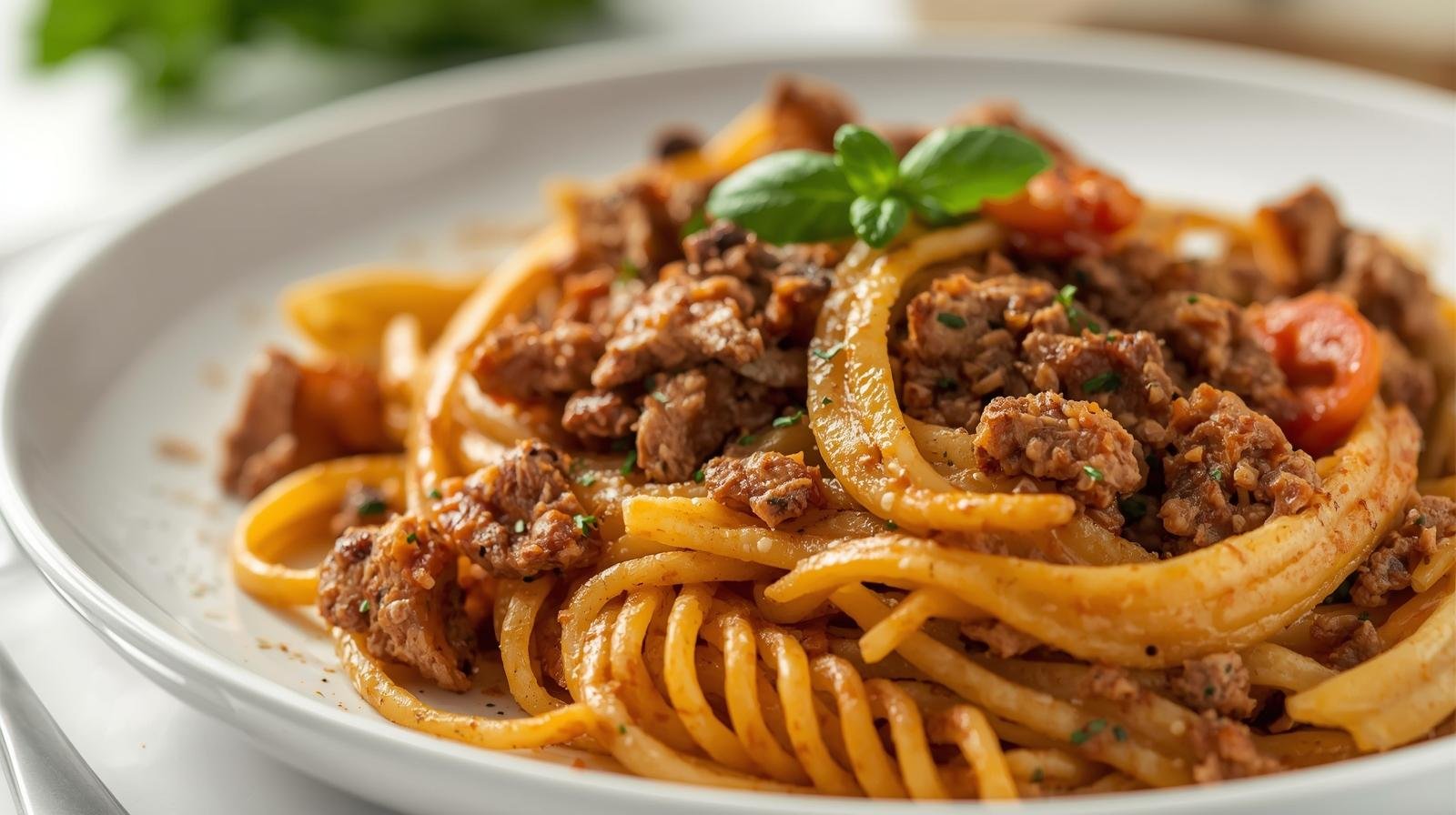
If you love pasta but want more protein without adding meat, the #1 high-protein upgrade for your pasta is simple: cannellini beans (white kidney beans). They melt into sauces, add creaminess, and deliver an easy 8 g protein per ½ cup, plus fiber and key minerals—no protein powder or pricey specialty noodles required.
A cup of cooked spaghetti offers roughly 8 g protein—fine for energy, but not ideal if you’re aiming for a high-protein meal that keeps you full and supports training.
Enter cannellini beans: budget-friendly, pantry-stable, and
potassium, iron, zinc, and folate. They play perfectly with classic pasta flavors (tomato, Parm, bitter greens, chili, garlic) and work with both vegan and omnivorous plates.
Pasta Bowl (approx.)
Protein per serving
2 cups cooked pasta + tomato sauce 16 g
+ 1 cup cannellini beans stirred in 32 g
Numbers use typical values for cooked pasta (8 g per cup) and cannellini beans (8 g per ½ cup). Your exact total varies by brand and portion, but the doubling effect is real.
Pasta Bowl (approx.)
Protein per serving
2 cups cooked pasta + tomato sauce ~16 g
+ 1 cup cannellini beans stirred in ~32 g
Numbers use typical values for cooked pasta (8 g per cup) and cannellini beans (8 g per ½ cup). Your exact total varies by brand and portion, but the doubling effect is real.
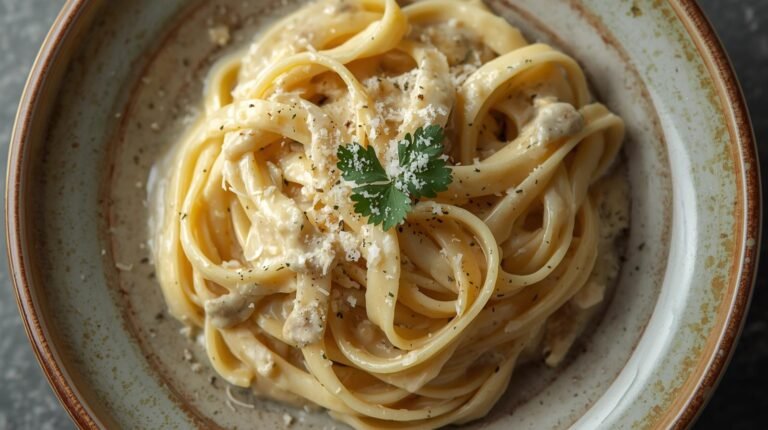
How: Purée cannellini beans with hot pasta water, garlic, olive oil (or a knob of butter), lemon, and black pepper. Toss with hot pasta and finish with parsley and grated cheese (or nutritional yeast for vegan).
Why it works: Starchy pasta water + bean purée = silky emulsion that clings to noodles like cream—minus heavy saturated fat. Inspired by pro tips that beans blend naturally into Italian sauces.
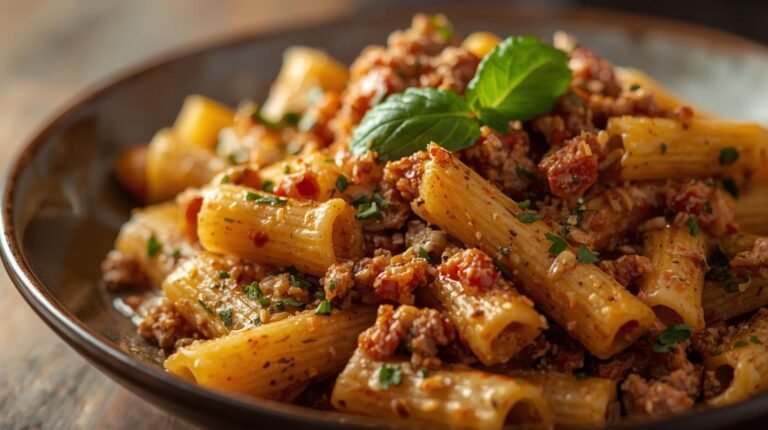
How: Warm drained beans in olive oil with garlic and chili flakes; splash in crushed tomatoes or broth, simmer 3–5 minutes, then fold in al dente pasta and kale/spinach.
Why it works: You’ll get bite, body, and plant protein in every forkful; balances carbs with fiber and micronutrients.
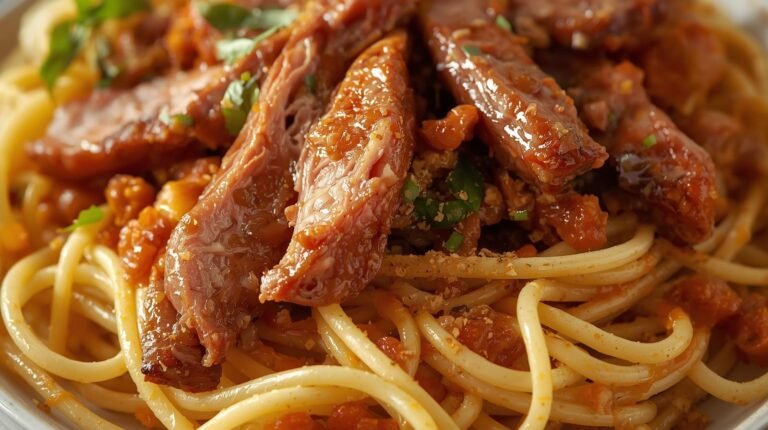
How: If you use pancetta/sausage, halve the meat and replace the rest with cannellini beans. Deglaze with wine or stock, add tomatoes or pesto, then finish with pasta and greens.
Why it works: Same flavor, less saturated fat, more fiber and protein per serving; helps budget and health.
Canned beans = instant convenience. Drain and rinse to reduce sodium; studies show 9–23% lower sodium with rinsing, and up to 33–41% if you drain, rinse, and heat in fresh water. Choose no-salt-added cans when possible.
Dried beans = cheapest and most control (soak/simmer or pressure-cook). Batch-cook and freeze in 1-cup portions for weeknight pasta.
Tomato–Herb Cannellini: Olive oil, garlic, chili, crushed tomatoes, beans, basil/oregano, finish with Parm. (Protein pasta without meat.)
Lemony Greens & Beans: Olive oil, garlic, chili, beans, lemon zest/juice, ribbons of kale or arugula, pasta water to gloss.
Creamy Vegan “Alfredo”: Blended beans + pasta water + nutritional yeast + miso + lemon + cracked pepper; add mushrooms or peas.
Tuna, Tomato & Beans: Fast Mediterranean lunch: canned tuna + tomato + cannellini + parsley over pasta (great protein and omega-3s).
What is the best high-protein ingredient to add to pasta?
Cannellini beans. They add about 8 g protein per ½ cup, plus fiber and minerals, and blend seamlessly with Italian flavors.
How can I make pasta high protein without meat?
Use cannellini beans (blended or whole), Greek yogurt in creamy sauces, or tuna + beans for a pescatarian option. Start with beans for the biggest plant-based boost.
Do I need protein pasta brands?
Optional. Regular pasta + a cup of beans can double your protein and improve fiber at lower cost. (Protein pasta can help, but isn’t required.)
Should I rinse canned beans before adding to pasta?
Yes—especially for low-sodium cooking. Rinsing can lower sodium notably; draining + rinsing + heating in fresh water drops it further.
Leave a Reply