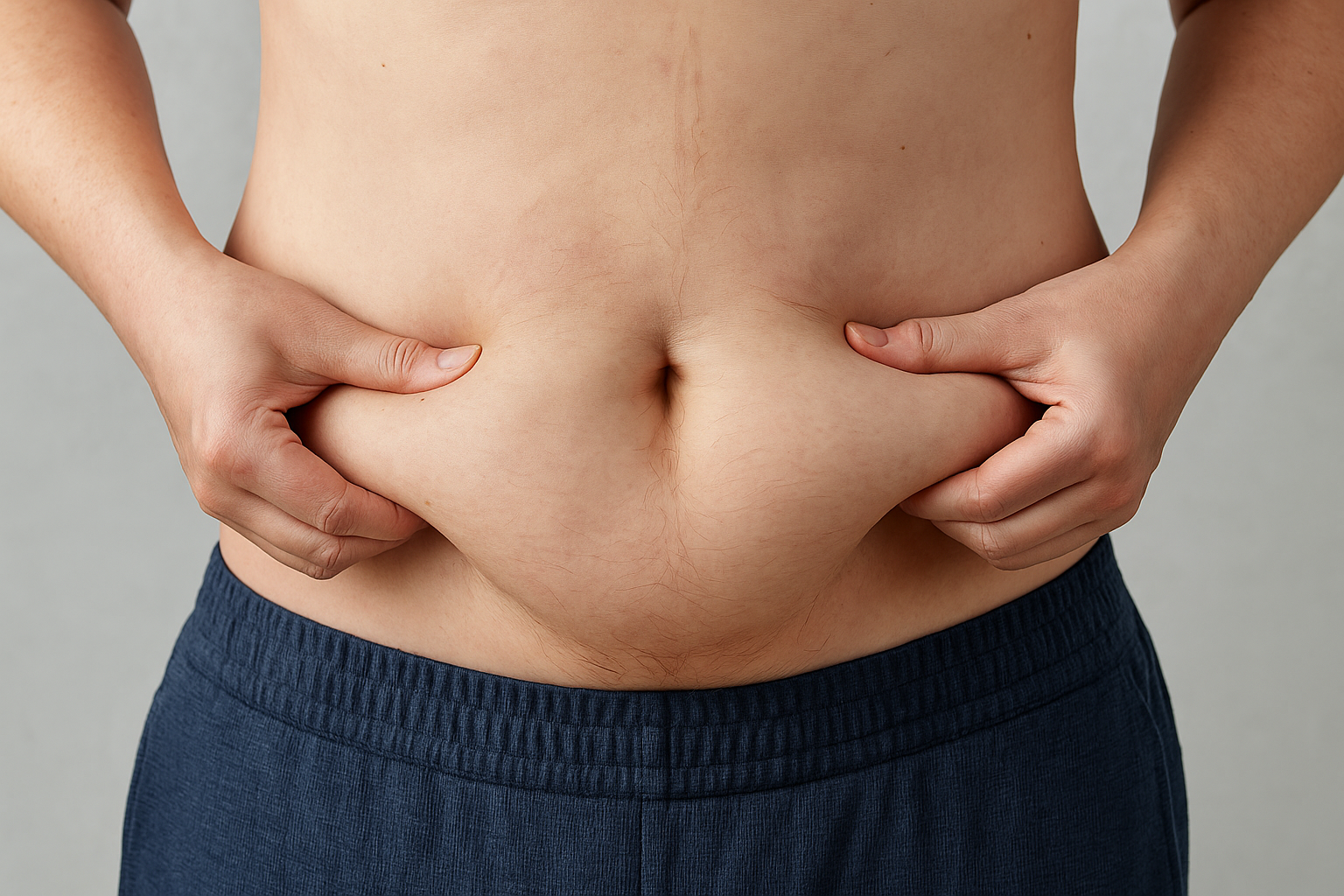
Belly fat visceral fat is not the soft pinch at your waist—it’s the deeper, riskier fat wrapped around organs. If you’ve searched visceral stomach fat or visceral belly fat, this guide turns the science into steps you can act on today.
Visceral fat 101 (and how to check your risk at home)
Visceral fat (VF) is the deep, metabolically active fat that raises the risk for insulin resistance, high triglycerides, fatty liver, and cardiovascular disease. It behaves differently from subcutaneous fat because it releases fatty acids and inflammatory signals directly into the portal circulation.
You can’t see VF directly without imaging, but two easy screening tools correlate with higher risk:
- Waist circumference: >102 cm (40 in) in men or >88 cm (35 in) in women signals elevated risk for diabetes, high blood pressure, and heart disease. Measure at the navel after exhale.
- Waist-to-height ratio (WHtR): keep your waist < half your height (goal < 0.5). It often outperforms BMI for early risk detection across ethnicities.
TL;DR: Grab a tape measure. If your waist is more than half your height, prioritize visceral-fat reduction.
What actually reduces visceral belly fat? (the short list)
- Aerobic exercise: A 2024 meta-analysis of 116 RCTs found dose-responsive reductions in waist and body fat; ≥150 min/week at moderate-to-vigorous intensity produced clinically important changes.
- Resistance training: Lifting reduces total fat and visceral fat—even without large scale weight loss—while preserving muscle (your metabolic ally).
- Soluble fiber: In a 5-year cohort, each extra 10 g/day soluble fiber was linked to ~3.7% less visceral-fat gain, independent of BMI change. Think oats, beans, citrus, chia.
- Sleep & stress: Sleep restriction shifts fat storage toward the visceral compartment; aim for 7–9 h and manage stress to keep cortisol swings in check.
- Alcohol: Heavier intake and binge patterns correlate with higher visceral fat and ectopic adiposity. If fat loss is a goal, limit or skip.
A step-by-step, 4-week plan (mobile-scannable)
Week 1 — Measure, move, and simplify
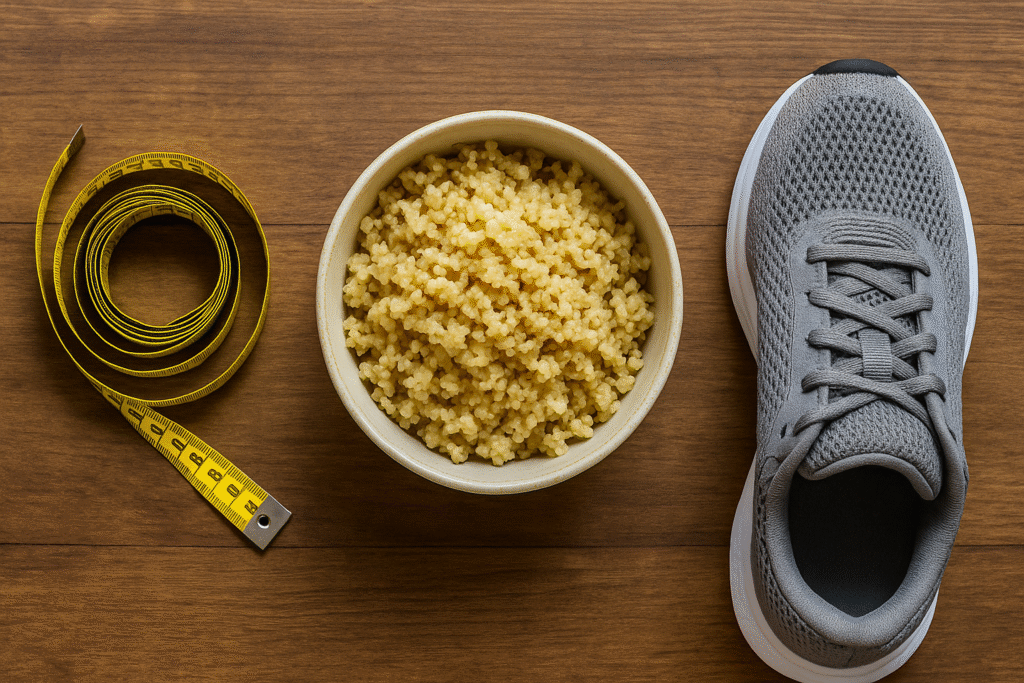
- Measure waist and WHtR; note your baseline.
- Walk 30 minutes daily (or bike/swim) at a pace that raises your breathing but lets you talk.
- Swap refined carbs for high-fiber carbs at each meal: oats or quinoa at breakfast, beans or lentil pasta at lunch, potatoes (skin on) or brown rice at dinner.
Week 2 — Add protein & fiber targets
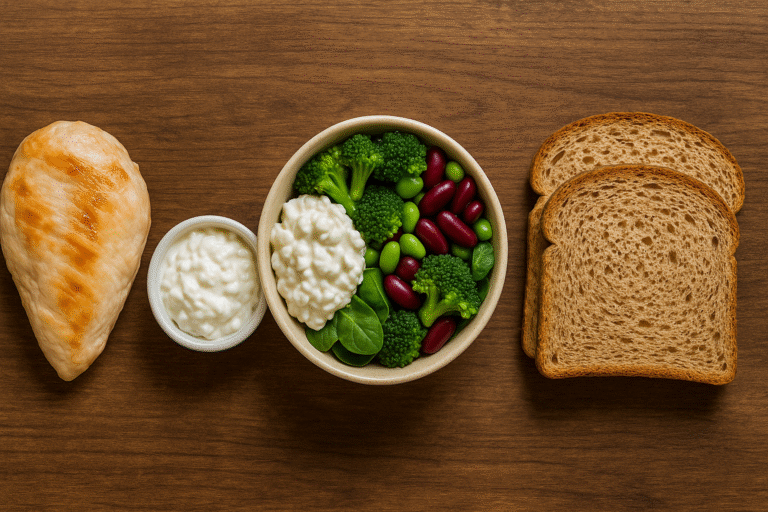
- Protein: include 20–30 g per meal (tofu/tempeh, fish, chicken, Greek or soy yogurt, beans + whole grains).
- Fiber: aim for 25–30 g/day with ≥10 g soluble fiber (oats, beans, chia, citrus) to blunt post-meal spikes and support gut signals that curb appetite. (This is the “satiety stack.”)
Week 3 — Strength + intervals

- 2 full-body strength sessions (about 30–40 min): squats, hinges, pushes, pulls, core—2–3 sets of 8–12 reps.
- Intervals once this week: after a 10-min warm-up, do 6–8 cycles of 1 min brisk / 1 min easy. This raises calorie burn and improves insulin sensitivity without long gym hours. (If new to training, keep intervals gentle and progress gradually.) Evidence shows both aerobic and resistance training reduce visceral fat.
Week 4 — Sleep, stress, alcohol audit

- Lock in a consistent sleep window (7–9 h).
- Add 5-minute breathwork or a post-meal walk (10 minutes) to tame glucose spikes.
- Cap alcohol at zero or minimal; if you drink, avoid binges and sugary mixers.
Re-measure waist/WHtR at the end of week 4. Expect modest but meaningful movement; bigger changes accrue over 8–12 weeks of consistency.
What to eat: a visceral-fat-smart plate
Build most meals from these:
- High-fiber carbs (goal: ≥8–10 g fiber/meal): oats, barley, beans, lentils, chickpeas, fruit with peel, veggies, chia/flax. Soluble fiber is your MVP for visceral fat.
Lean & plant proteins: fish (especially salmon/sardines), poultry, eggs, tofu/tempeh, edamame, Greek or soy yogurt. - Healthy fats: extra-virgin olive oil, avocado, nuts/seeds (support HDL, curb cravings).
- Limit: sugary drinks, refined snacks, ultra-processed meats, and frequent alcohol—these nudge fat storage in the wrong direction.
Example day (balanced, fast):
- Breakfast: Oats cooked in milk (or soy milk), topped with chia, berries, and a spoon of Greek yogurt.
- Lunch: Lentil-quinoa bowl with roasted vegetables, olive oil, lemon, herbs.
- Snack: Apple + 12 almonds.
- Dinner: Grilled salmon (or tofu) with potatoes (cooled/reheated) and a leafy salad with EVOO vinaigrette.
Troubleshooting (because life happens)
- “I’m doing cardio but my waist isn’t shrinking.” Add 2 strength days to preserve/boost muscle (increases calorie burn at rest) and tighten glucose control.
- “I snack at night.” Front-load protein + fiber at dinner (e.g., tofu + beans + veg), then switch to herbal tea.
- “Bloating with more fiber.” Titrate slowly, add fluids, and favor cooked veg/soaked oats at first.
FAQs
What’s the fastest way to lose visceral belly fat?
There’s no spot-reduce hack. The strongest evidence combines ≥150 min/week aerobic exercise, 2 strength days, high-fiber eating (especially soluble fiber), good sleep, and minimal alcohol. Expect steady, not sudden, change.
How do I know if my belly fat is visceral?
Use proxies: waist >102 cm men / >88 cm women and WHtR ≥0.5 indicate higher risk and likely higher visceral fat. Imaging is definitive, but not required to start.
Does strength training help visceral fat or is it just cardio?
Both help. Meta-analyses show resistance training reduces visceral fat while preserving muscle—ideal for long-term maintenance.
Leave a Reply