
In Canada (and much of the northern US), apples, pears, and cranberries are harvested in the fall and held in cold storage, keeping quality high into winter; citrus and pomegranates arrive at peak ripeness from warmer regions. Foodland Ontario’s availability calendar confirms local fall harvest with winter availability through storage.
Practical nutrition win: winter favorites are naturally rich in Vitamin C and flavonoids (powerful plant compounds) which support immune and cardiometabolic health and may benefit cognition.
- Why now: peak taste and price in winter; easy to portion.
- Nutrition snapshot: citrus delivers Vitamin C and hesperidin/naringenin (flavonoids) linked with heart, metabolic, and endothelial benefits.
- Use it: Snack as segments; blitz into vinaigrettes; add to grain bowls; broil grapefruit with a pinch of cinnamon for dessert.
Why now: fall harvest + controlled-atmosphere storage = crisp apples through winter.
Nutrition snapshot: fiber (pectin) for satiety and gut health.
Use it: Baked apples; skillet oats; sheet-pan pork + apples; shredded in slaws.
Why now: ripen at room temp; buttery texture when ready.
Nutrition snapshot: fiber + polyphenols; gentle on the palate when slightly underripe (great for poaching).
Use it: Poached with tea and spices; sliced on grilled cheese; roasted with squash.
Why now: holiday-season peak; arils add crunch and antioxidants.
Nutrition snapshot: polyphenols (punicalagins/anthocyanins) show antioxidant and anti-inflammatory activity in research.
Use it: Sprinkle on yogurt, hummus, pilafs, salads.
Why now: harvested late fall; freeze beautifully for winter.
Nutrition snapshot: rich in phenolics; studied for urinary and oral health contexts (always consider meds/clinical advice).
Use it: Sauces (low-sugar), chutneys, baked oatmeal bars, smoothies.
- Vitamin C density: Citrus is a reliable winter source of Vitamin C; databases like USDA/NIH list per-100 g values so you can compare varieties precisely.
- Flavonoids matter: Long-term intake of flavonoid-rich foods (think citrus, apples, berries) is associated with better cognitive outcomes and cardio-metabolic markers in observational and mechanistic research.
- Local reality: In Ontario and much of Canada, apples, pears, cranberries remain available in winter via storage, while citrus/pomegranates arrive at peak import season—so taste/price often improve now.
- Vitamin C density: Citrus is a reliable winter source of Vitamin C; databases like USDA/NIH list per-100 g values so you can compare varieties precisely.
- Flavonoids matter: Long-term intake of flavonoid-rich foods (think citrus, apples, berries) is associated with better cognitive outcomes and cardio-metabolic markers in observational and mechanistic research.
- Local reality: In Ontario and much of Canada, apples, pears, cranberries remain available in winter via storage, while citrus/pomegranates arrive at peak import season—so taste/price often improve now.

- Slice 2 oranges + 1 blood orange into wheels; reserve juice.
- Thinly shave 1 small fennel bulb (save fronds).
- Toss with 2 tbsp olive oil, 1 tbsp reserved juice, pinch salt, cracked pepper.
- Finish with olives, fennel fronds, and toasted almonds.
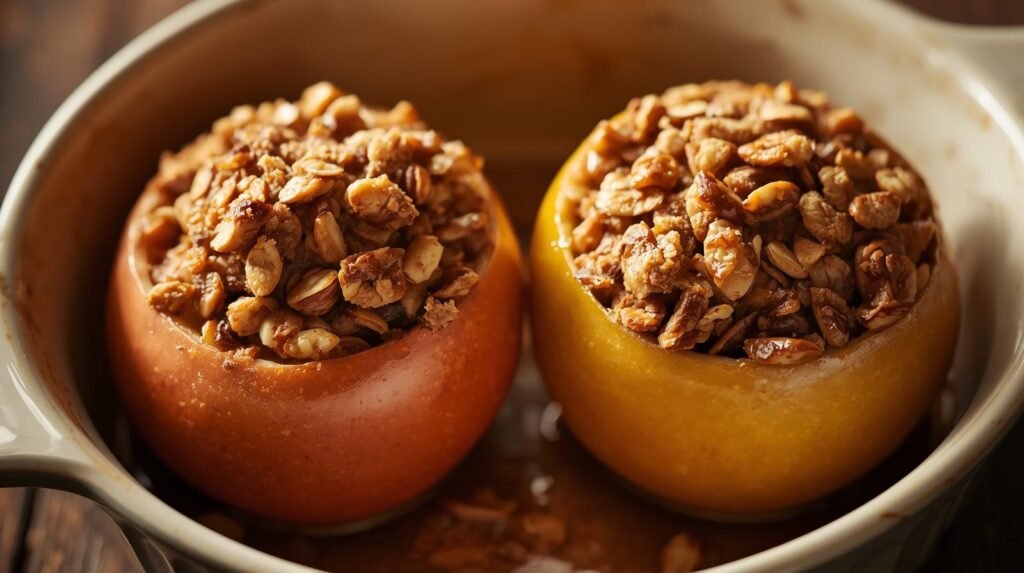
- Core 4 apples; place in a small baking dish.
- Mix ½ cup oats, ¼ cup chopped walnuts, 1 tbsp butter (or coconut oil), 1–2 tbsp maple syrup, cinnamon, pinch salt.
- Stuff apples, add ¼ cup water to dish, bake 190 °C/375 °F for ~30–35 min until tender.
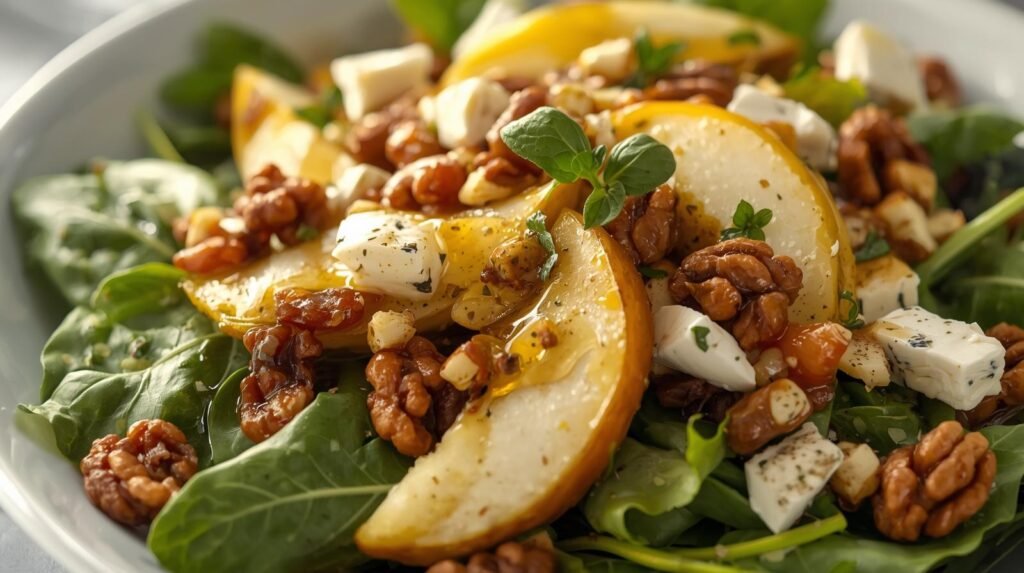
- Whisk 3 tbsp olive oil, 1 tbsp orange juice, 1 tsp honey, 1 tsp Dijon, pinch salt.
- Toss mixed greens with sliced ripe pear, crumbled blue (or feta), toasted walnuts.
- Dress lightly; crack pepper. Optional: add farro or chicken.
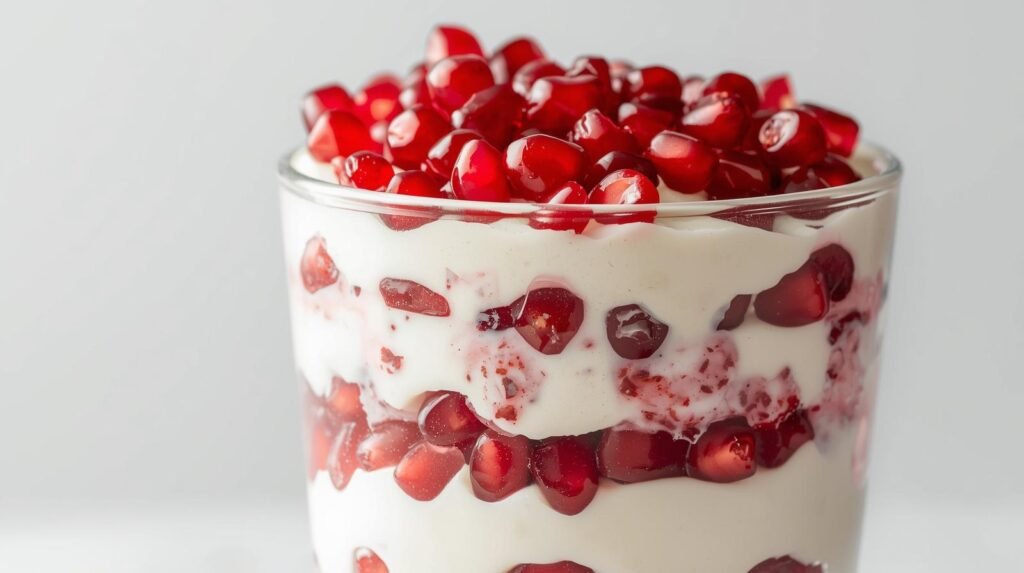
- Layer Greek yogurt with ½ cup pomegranate arils.
- Add 2 tbsp granola + 1 tsp honey; finish with orange zest.
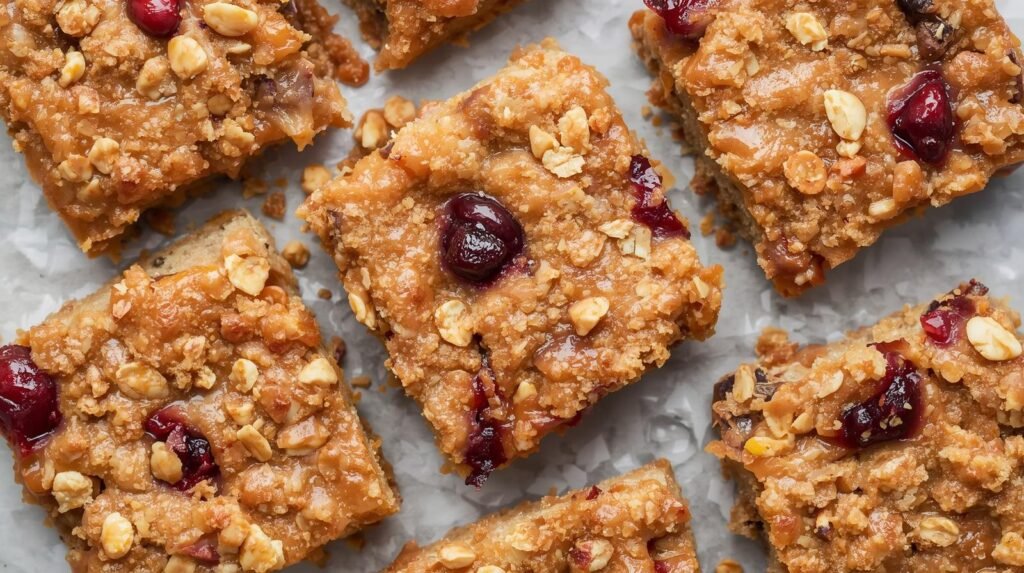
- Pulse 2 cups oats into coarse flour; mix with ½ tsp baking powder, pinch salt.
- Stir in ¼ cup maple syrup, ¼ cup orange juice, 2 tbsp oil, 1 egg (or flax egg), zest of 1 orange.
- Fold in 1 cup chopped fresh/frozen cranberries.
- Press into lined 8-inch pan; bake 175 °C/350 °F 22–25 min; cool and slice.
1) What are the best fruits of the winter season for immunity?
Citrus (oranges, mandarins, grapefruit) for Vitamin C; pomegranates and cranberries for polyphenols. Build snacks with C + fiber (e.g., orange + nuts).
2) Are fruit in season in the winter cheaper or tastier?
Often yes: citrus and pomegranates peak now; apples/pears hold quality via storage. Watch flyers for promos and buy a bag over singles.
3) Fresh vs frozen cranberries—any nutrition loss?
Minimal. Freeze cranberries right after purchase; they keep phenolics well and are recipe-ready.
Leave a Reply