H3N2 flu isn’t just “another cold season.” It’s a specific subtype of influenza A that tends to hit harder, especially in older adults and people with health conditions. When you run a healthy food website, your audience doesn’t just want panic, they want practical, food-based steps to stay safer and support recovery.
In this guide, we’ll keep it simple:
What H3N2 flu is
Symptoms you should watch for
What to eat (and what to avoid) to support your body if this flu is circulating in your area
⚠️ Quick disclaimer: Food and home care can support your immune system, but they do not replace antiviral medication, vaccination, or medical care. Always follow your doctor’s advice if you have symptoms or are in a high-risk group.
Seasonal influenza (“the flu”) is an acute respiratory infection caused by influenza viruses. The two main influenza A subtypes that circulate in humans are A(H1N1) and A(H3N2).
So when headlines talk about H3N2 flu, they’re basically saying: “This season, H3N2 is the main strain causing illness.”
Some important points:
H3N2 is still seasonal flu, not a totally new disease.
Flu spreads through droplets when an infected person coughs, sneezes, talks, or via contaminated surfaces.
- H3N2-dominant seasons often bring more severe illness in older adults and can reduce vaccine effectiveness slightly compared with H1N1 years.
Every year, WHO estimates seasonal influenza causes 290,000–650,000 deaths worldwide from respiratory disease alone—most in older adults and young children.
That’s why prevention, early treatment and supportive care matter.
H3N2 causes the same kind of symptoms as other seasonal flu viruses. Symptoms usually come on suddenly, and may include:
Fever or feeling feverish / chills
Dry cough
Sore throat
Runny or stuffy nose
Headache
Muscle and joint pain
Extreme tiredness / feeling wiped out
Sometimes vomiting or diarrhea (more common in children)
Most healthy people recover in about a week, but high-risk groups (65+, pregnant, chronic heart/lung disease, diabetes, weakened immunity, etc.) have a higher chance of complications like pneumonia, hospitalization or even death.
If you or your readers fall in those groups, see a doctor early. Antiviral medications work best if started within 48 hours of symptom onset and can reduce severity and complications.
Food won’t “kill” the H3N2 virus, but nutrition absolutely affects:
How well your immune system responds
How quickly your body rebuilds after days of fever and poor appetite
How tired, dehydrated and inflamed you feel during recovery
Health authorities and nutrition experts give consistent advice:
Stay well-hydrated
Eat small, frequent meals if appetite is low
Prioritize protein, vitamin C, zinc, and antioxidant-rich plant foods.

Best for: “what to eat during H3N2 flu”, “easy foods for flu recovery”
When fever and sore throat hit, warm broth or light soups are often the only thing that sounds appealing—and that’s okay.
Why they help
Replace fluid and electrolytes when you sweat with fever or breathe fast.
Warm liquids can soothe sore throats and loosen mucus a bit.
Adding shredded chicken, lentils or tofu gives protein to reduce muscle breakdown.
Simple immune-supporting soup idea
Low-sodium vegetable or chicken broth
Soft veggies: carrot, zucchini, potato, spinach
Protein: shredded chicken, lentils or tofu
Gentle herbs: garlic, ginger, parsley, turmeric (if tolerated)
Keep salt modest: a high-sodium diet can worsen blood pressure, which is the last thing you need when sick.
Best for: “high protein foods for flu recovery”, “H3N2 flu what to eat”
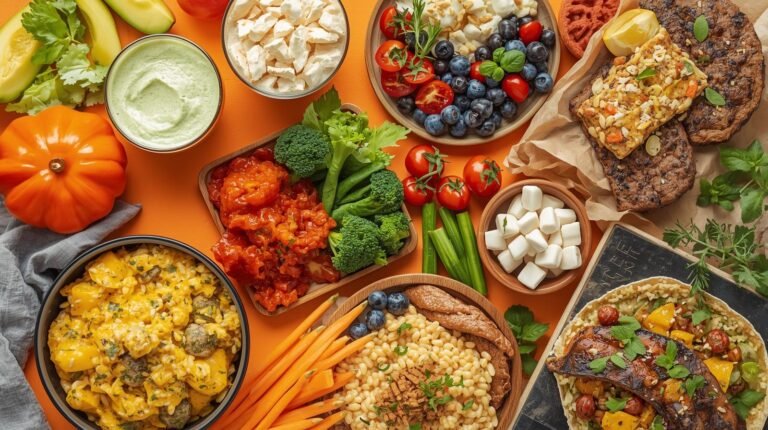
Your body uses more protein during infection—for immune cells, antibodies and tissue repair. Nutrition guidance for flu recovery suggests eating protein-rich foods every 2–3 hours if possible.
Good options
Eggs (scrambled, soft-boiled, in congee)
Fish or chicken (boiled, baked, not deep-fried)
Greek yogurt, kefir or paneer (if you tolerate dairy)
Soft tofu, lentil dal, chickpea soups
Nut butters in smoothies or on toast (if appetite allows)
A realistic goal for most adults with flu is 0.8–1.2 g protein per kg body weight (higher if you’re undernourished or recovering from a long illness, under professional guidance).
Best for: “immune boosting diet during H3N2”, “flu recovery foods fruits vegetables”
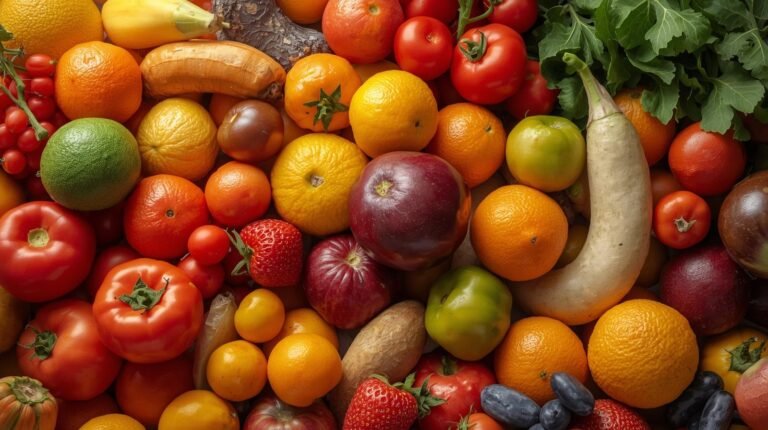
You don’t need “miracle” superfoods. Just 5–9 servings of fruits and veggies daily gives you a mix of vitamin C, carotenoids and antioxidants that support immune function.
Focus on:
Vitamin C–rich: oranges, kiwis, guavas, strawberries, bell peppers, broccoli
Carotenoid-rich: carrots, sweet potatoes, pumpkin, dark leafy greens
Soft, juicy options (citrus, melons, berries) if throat is sore
If chewing feels like too much, turn them into smoothies (with yogurt) or soft stews instead of raw salads.
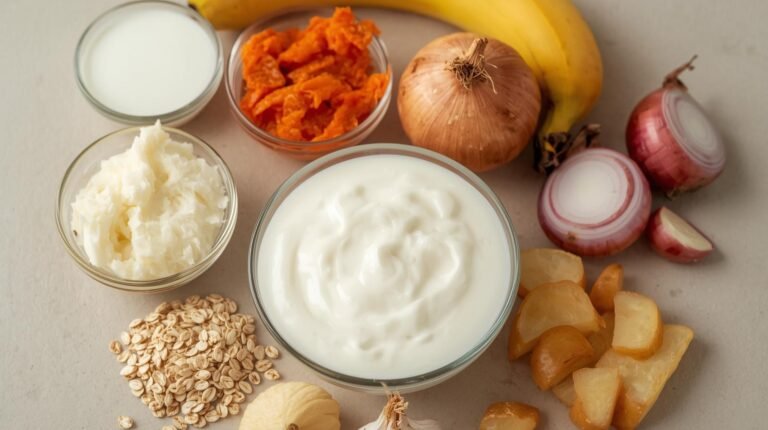
A big part of your immune system lives in your gut. While research is still evolving, balanced gut bacteria are linked with better responses to infections and vaccines.
Gentle choices
Yogurt or kefir with live cultures
Fermented foods like small amounts of curd, buttermilk, sauerkraut or kimchi (if spice/sour doesn’t worsen symptoms)
Prebiotic fibers from oats, bananas, onions, garlic, cooked-and-cooled potatoes
Avoid very sour, spicy or heavily fermented foods if your stomach feels irritated.
Leave a Reply to Vitamin D & Supplements: 4 Easy Foods to Boost Your Levels – Pick Healthy Cancel reply