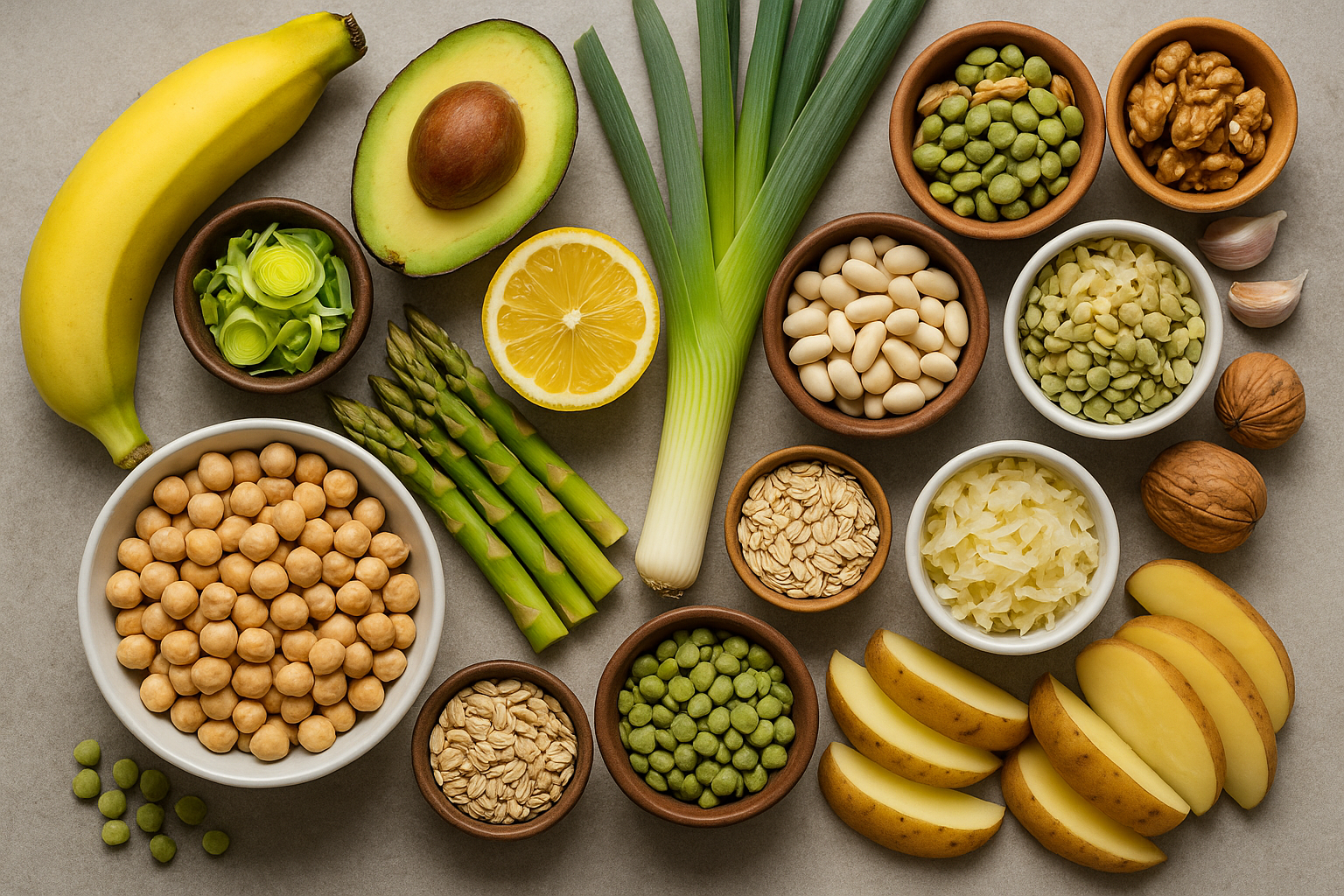
Prebiotics for women isn’t just a trend—it’s the missing half of your gut-health strategy. If you’re comparing prebiotics for women with probiotics, think of them as the fuel that helps your good microbes thrive and deliver benefits you can actually feel.
Prebiotics 101 (and why they’re not just “more fiber”)
What they are: Prebiotics are substrates selectively used by beneficial microbes that confer a health benefit—most are specific fibers like inulin, FOS, GOS, and resistant starch. Not every fiber is a prebiotic, and the benefit is dose + microbe specific.
Why women care: The right prebiotic intake supports digestive regularity, comfortable bloating levels, and a resilient microbiome—important during hormonal shifts, travel, stress, or antibiotics. Trials and reviews suggest GOS and inulin can improve stool frequency and consistency in constipated adults by enriching Bifidobacterium, a “good” genus that tends to decline with low-fiber diets.
- Quick perspective: Most adults under-consume fiber; many women don’t reach the ~25 g/day target. Layering prebiotic-rich foods into breakfast and snacks is an easy win.
Prebiotics vs. probiotics vs. synbiotics (what to use, when)
- Probiotics = specific live strains with proven benefits (e.g., Lactobacillus rhamnosus GG).
- Prebiotics = the “food” that feeds helpful microbes already in you.
- Synbiotics = a purposeful combination of a probiotic + a complementary prebiotic designed to work together (not just mixing any two). They can improve probiotic survival and function when well-matched.
Rule of thumb: If you’re targeting a specific issue (e.g., antibiotic-associated diarrhea), start with a probiotic strain backed by trials.
For everyday gut resilience (regularity, microbial diversity), prioritize prebiotic foods; consider a synbiotic if you also take a probiotic.
The best prebiotic foods for women (and how to use them today)
Inulin / FOS foods: chicory root, Jerusalem artichoke, onions, garlic, leeks, asparagus, bananas (slightly green).
GOS foods: legumes (chickpeas, lentils), some soy products.
Resistant starch foods: cooked-and-cooled rice/potatoes, green bananas, oats.
Two 5-minute add-ins (busy-day friendly)
- Yogurt bowl (or soy yogurt) + 2 Tbsp high-inulin granola + sliced banana (slightly green) → easy prebiotic bump.
- Chickpea “toss-in”: add ½ cup chickpeas to salads/soups; finish with garlic-lemon dressing for FOS + GOS in one meal.
How much prebiotic to aim for (without the bloat)
- Start low, go slow: 2–3 g/day for a week, then move toward 3–5 g/day (typical study ranges vary by ingredient). If you tolerate well, some trials use higher doses (e.g., ~11 g/day GOS in constipation). Always increase fluids as you increase fiber.
- FODMAP note: If you’re sensitive (IBS), choose gentler options and titrate carefully; many can still tolerate small amounts of oats, kiwifruit, and cooked/cooled grains.
When to consider a synbiotic (and how to pick one)
- Define the goal (regularity, post-antibiotic support, overall gut comfort).
- Check the probiotic strain matches your goal (evidence in humans).
- Look for the paired prebiotic that feeds that strain or its guild (e.g., a GOS-containing synbiotic for bifidogenic strains).
- Label must-haves: strain name, CFU through best-by date, prebiotic type and dose, storage guidance.
3 ultra-simple prebiotic recipes (no special products needed)
1) Roasted Garlic & Chickpea “Mash” (10 min)
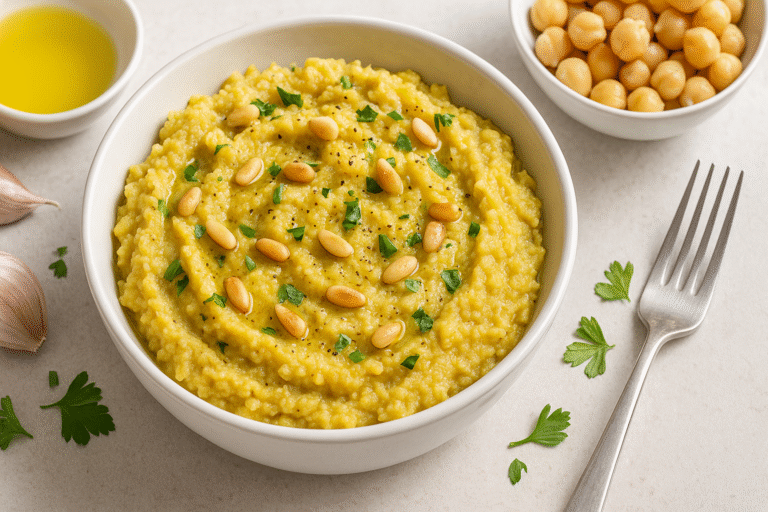
Mash warm chickpeas with roasted garlic, lemon, olive oil; spread on whole-grain toast or lettuce cups. (FOS + GOS)
2) Green Banana–Oat Overnight Jar
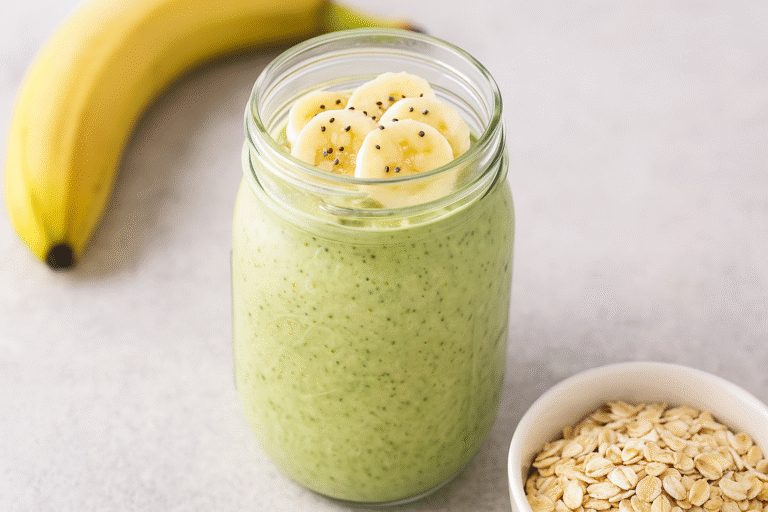
Oats, soy milk, chia, a few slices of just-ripe banana; chill overnight. Add walnuts in the morning. (β-glucan + resistant starch)
3) Onion–Leek Soup Starter
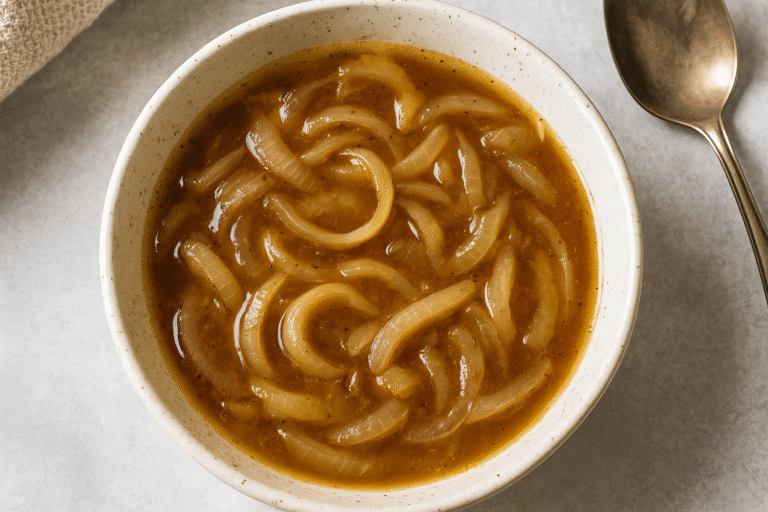
Sauté onions/leeks slowly, add white beans and herbs; thin with stock. Freeze portions for quick bowls. (Inulin/FOS + GOS)
Step-by-step plan (4 weeks, repeatable)
Week 1: Add 1 new prebiotic food daily (2–3 g/day). Track fullness, stool comfort, and bloating.
Week 2: Bump to 3–5 g/day; add one legume-based meal.
Week 3: If you’re already on a probiotic, consider trialing a well-matched synbiotic for 4–8 weeks.
Week 4: Reassess: energy, regularity, tolerance. Keep what worked, swap what didn’t.
FAQs
What are the best prebiotics for women’s gut health?
Start with foods: onions, garlic, leeks, asparagus, legumes, oats, chicory, green bananas, and cooked-and-cooled rice/potatoes (resistant starch). They feed beneficial microbes and support regularity.
Prebiotics vs probiotics for women, which should I take first?
Food-based prebiotics are the baseline. If you have a specific issue (e.g., after antibiotics), add an evidence-based probiotic; consider a synbiotic if you want both in one formula.
How much prebiotic should I take daily?
There’s no single universal dose, but many products use 3–5 g/day; some constipation trials used higher (e.g., ~11 g/day GOS). Increase slowly and hydrate well.
Can prebiotics help constipation and bloating?
Evidence suggests GOS and inulin can improve stool frequency and consistency in adults with constipation. Introduce gradually to minimize gas.
Leave a Reply to Metabolic Syndrome (Syndrome X): A Practical Guide to Reversing Risk – Cancel reply