- Supplements help in select cases. The American Gastroenterological Association (AGA) does not recommend probiotics for most GI conditions, except a few scenarios where certain strains show benefit (and even then, evidence is modest).
- Antibiotic-associated diarrhea (AAD): Specific strains such as Lactobacillus rhamnosus GG (LGG) and Saccharomyces boulardii can reduce AAD risk (especially in children). S. boulardii is a yeast—so antibiotics don’t wipe it out.
- IBS: Results vary. Bifidobacterium infantis 35624 shows promise in some trials/meta-analyses, but findings are mixed across studies and formulations.
- C. difficile prevention: Meta-analyses suggest possible benefit, but effects are small/uncertain across trials and populations.
- Fermented foods matter. When buying yogurt/kefir, look for “live and active cultures”; kefir is a reliable source of multiple live cultures (keep it refrigerated, short shelf life).
- Supplements help in select cases. The American Gastroenterological Association (AGA) does not recommend probiotics for most GI conditions, except a few scenarios where certain strains show benefit (and even then, evidence is modest).
- Antibiotic-associated diarrhea (AAD): Specific strains such as Lactobacillus rhamnosus GG (LGG) and Saccharomyces boulardii can reduce AAD risk (especially in children). S. boulardii is a yeast—so antibiotics don’t wipe it out.
- IBS: Results vary. Bifidobacterium infantis 35624 shows promise in some trials/meta-analyses, but findings are mixed across studies and formulations.
- C. difficile prevention: Meta-analyses suggest possible benefit, but effects are small/uncertain across trials and populations.
- Fermented foods matter. When buying yogurt/kefir, look for “live and active cultures”; kefir is a reliable source of multiple live cultures (keep it refrigerated, short shelf life).
- Fermented foods: plain yogurt, kefir, miso, tempeh, kimchi, sauerkraut (unpasteurized). “Live & active cultures” on the label matters.
- Prebiotic fiber: oats, beans/lentils, onions, garlic, bananas, asparagus, and resistant starch (e.g., chilled potatoes). These feed your resident microbes.
- During antibiotics: consider LGG or S. boulardii from day 1 through ~1 week after (confirm with your clinician).
- IBS (trial): products providing the B. infantis 35624 strain may be worth a 4–8 week test, monitoring symptoms.
- CFU isn’t everything: strain + dose + timing matter more than massive CFU numbers.
- 2–4 weeks: note changes in stool frequency/consistency, bloating, discomfort, and food tolerance. If nothing changes, stop and pivot.
- Immunocompromised, critical illness, or central lines: talk to your doctor first; rare infections have been reported with probiotics. Follow package storage.
These emphasize live cultures + prebiotic fiber. Keep ferments refrigerated; add them at the end of cooking (or serve cold) to protect live microbes.
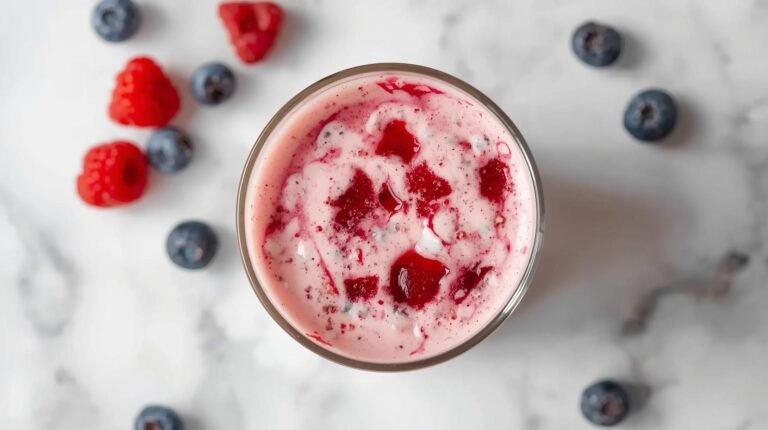
Why it works: Kefir supplies diverse live cultures; berries + chia add polyphenols and fiber.
You’ll need: 1 cup plain kefir, 1 cup frozen mixed berries, 1 Tbsp chia, squeeze lemon, optional honey.
Make it: Blend smooth. Drink cold.
Macro vibe: 250–300 kcal; protein 10–12 g; fiber 8–10 g.
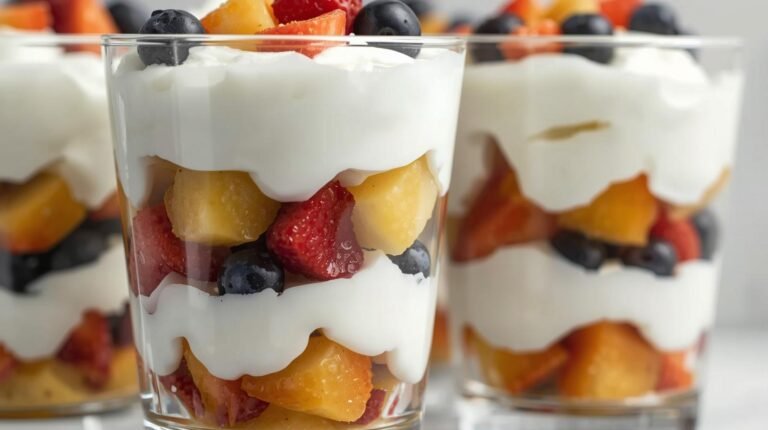
Why it works: “Live & active cultures” yogurt + prebiotic fruit + nuts.
You’ll need: ¾–1 cup Greek yogurt, ½ cup pineapple or banana, 2 Tbsp walnuts, cinnamon.
Make it: Layer and eat; swap fruit to taste.
Macro vibe: 300–350 kcal; protein 17–22 g; fiber 4–6 g.
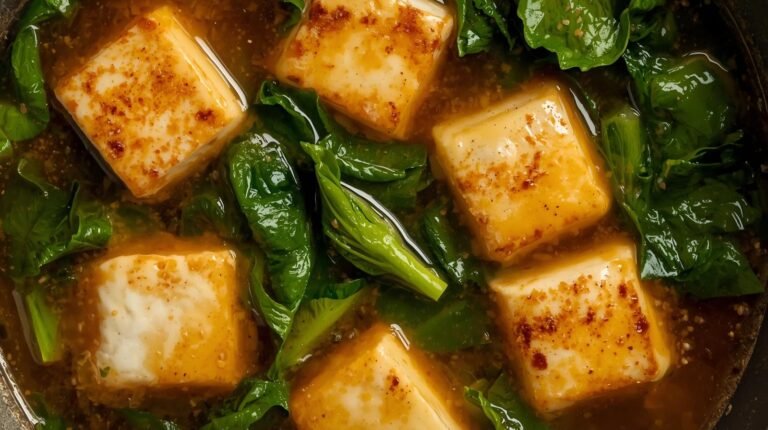
Why it works: Miso adds live cultures; tofu gives protein; greens add magnesium & prebiotic fibers.
You’ll need: 2 cups hot (not boiling) veggie broth, 1–1½ Tbsp miso paste, 100 g tofu cubes, a handful of spinach, scallions.
Make it: Dissolve miso in hot broth off heat; add tofu, greens, scallions.
Macro vibe: 170–220 kcal; protein 12–16 g; very light and restorative.
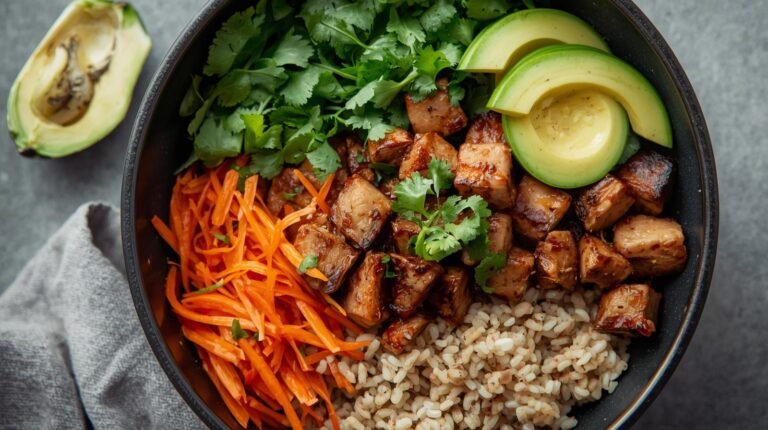
Why it works: Tempeh (fermented soy) + raw kimchi (live cultures) + whole-grain fiber.
You’ll need: ¾ cup warm brown rice, 100–150 g tempeh (seared), ¼ cup kimchi, cucumber, sesame, splash tamari.
Make it: Build bowl; add kimchi after cooking.
Macro vibe: 420–520 kcal; protein 22–30 g; fiber 7–9 g.

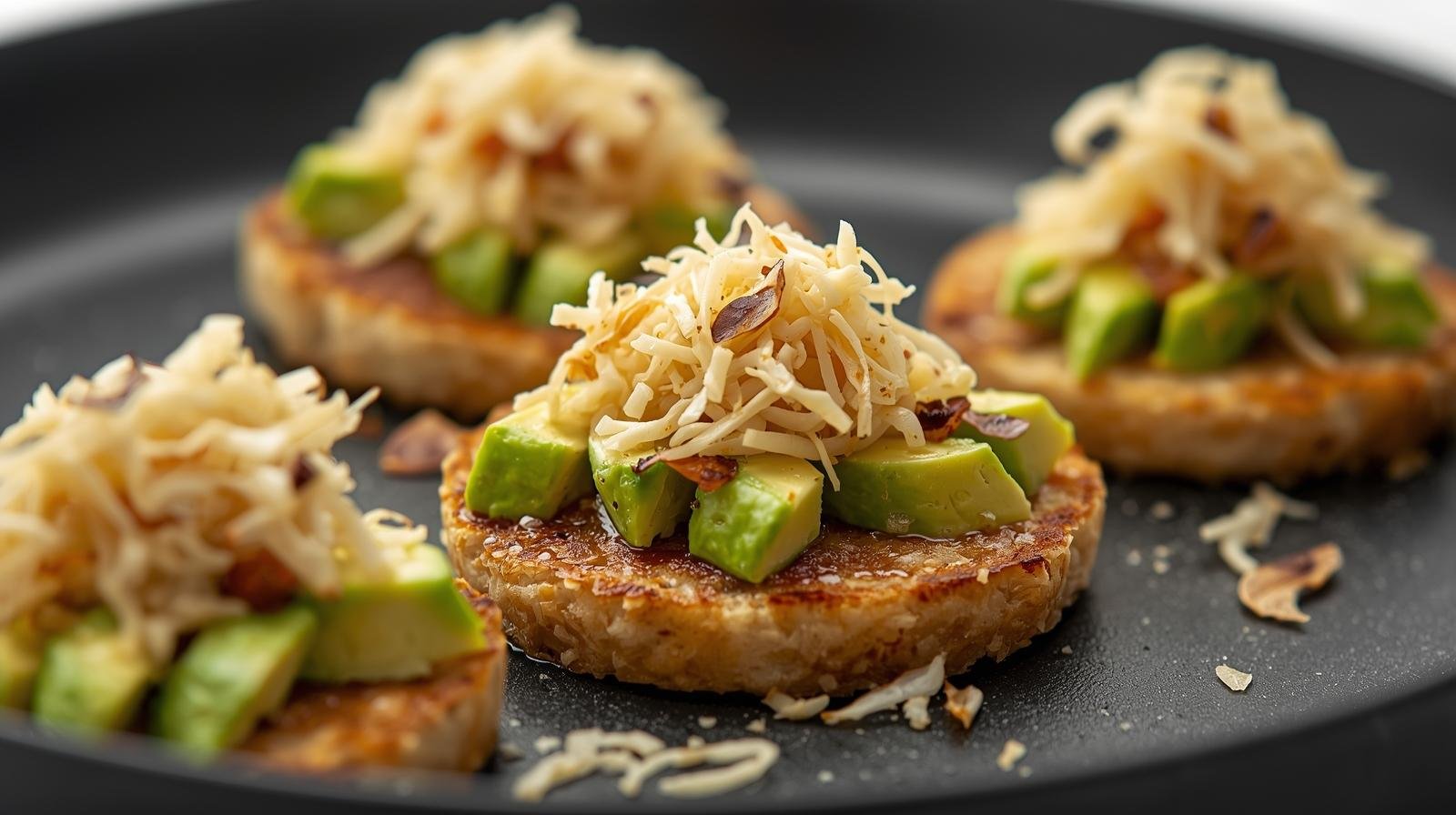
Why it works: Raw sauerkraut brings tangy lacto-fermented microbes; avocado adds prebiotic fibers (and satiety).
You’ll need: 1 slice sourdough or 2 GF rice cakes, ½ avocado, 2–3 Tbsp raw sauerkraut, pepper, lemon.
Make it: Smash avo with lemon; top with kraut and pepper.
Macro vibe: 280–350 kcal; fiber-rich, great as a light lunch/snack.
Leave a Reply to High Protein Protein Bars: Smarter Fuel, Better Results – Pick Healthy Cancel reply