Vitamin D is having a moment—and not just on health podcasts. Search data shows “vitamin d supplement” surges every winter as people feel more tired, achy and low on energy. For a healthy-food audience, this is a perfect topic: how far can food and sunlight take you, and when do vitamin D supplements actually make sense?
Global research suggests 15–20% of adults are truly vitamin D deficient, with many more in the “insufficient” range—especially in winter and in higher latitudes.
Deficiency is linked to weak bones, more fractures and possibly higher mortality in older adults.
Let’s break this down in a reader-friendly way and then give 4 real-world vitamin D food recipes your visitors can actually cook.
Vitamin D is a fat-soluble vitamin that your skin makes from sunlight and that you also get from foods and supplements. In the body, it’s converted into an active hormone that:
Helps you absorb calcium and keep bones strong
Supports muscle function and balance
Plays roles in immune function, inflammation and possibly mood regulation
A large global analysis estimated that 15.7% of people had vitamin D levels low enough to be considered clearly harmful.
More recent work suggests about 20% of middle-aged and older U.S. adults are deficient and that deficiency is associated with higher mortality.
For many generally healthy adults, a mix of sunlight + food covers the basics. But supplements are often recommended when:
You live at high latitude or get little sun (long winters, indoor lifestyle)
You have darker skin, wear covering clothing, or use strict sun protection
You’re older, have obesity or certain gut/liver/kidney conditions
Common guideline ranges for adults:
600–800 IU/day as a typical recommended intake (depending on age
- Up to 4,000 IU/day is usually considered the safe upper limit for most adults, unless a doctor prescribes more for a short time in severe deficiency.
What supplements are actually good for:
Strong evidence: improving vitamin D levels, supporting bone health, and reducing fracture risk when combined with adequate calcium.Mayo Clinic+2Nature+2
Mixed or modest evidence: lower cancer mortality and some benefits in clearly deficient people; results are inconsistent for preventing respiratory infections or chronic diseases in the general population.

Why it’s a star:
Fatty fish like salmon are among the richest natural sources of vitamin D. A 100 g (3.5 oz) portion of farmed Atlantic salmon gives about 441 IU; wild salmon can range from 556–924 IU, often covering 70–116% of the daily value.
Ingredients (1 serving)
120 g salmon fillet
1 tsp olive oil
Juice of ½ lemon
½ tsp dried dill or oregano
Black pepper, pinch of salt
Optional: sliced zucchini or cherry tomatoes on the same tray
Steps
Preheat oven to 200°C / 400°F.
Place salmon on a lined tray, drizzle with olive oil and lemon, sprinkle herbs, pepper and a tiny pinch of salt.
Add veggies around it if you like.
Bake 12–15 minutes, until it flakes with a fork.
Approximate nutrition
Calories: ~250–280 kcal
Protein: ~25–27 g
Fat: ~14–16 g (heart-healthy unsaturated fats)
Vitamin D: ~400–700+ IU depending on salmon type
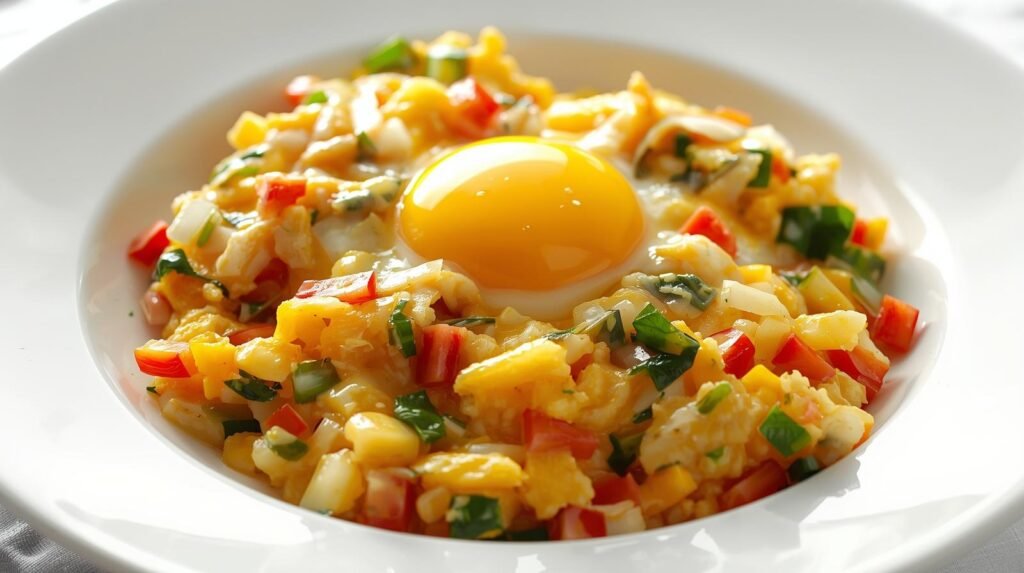
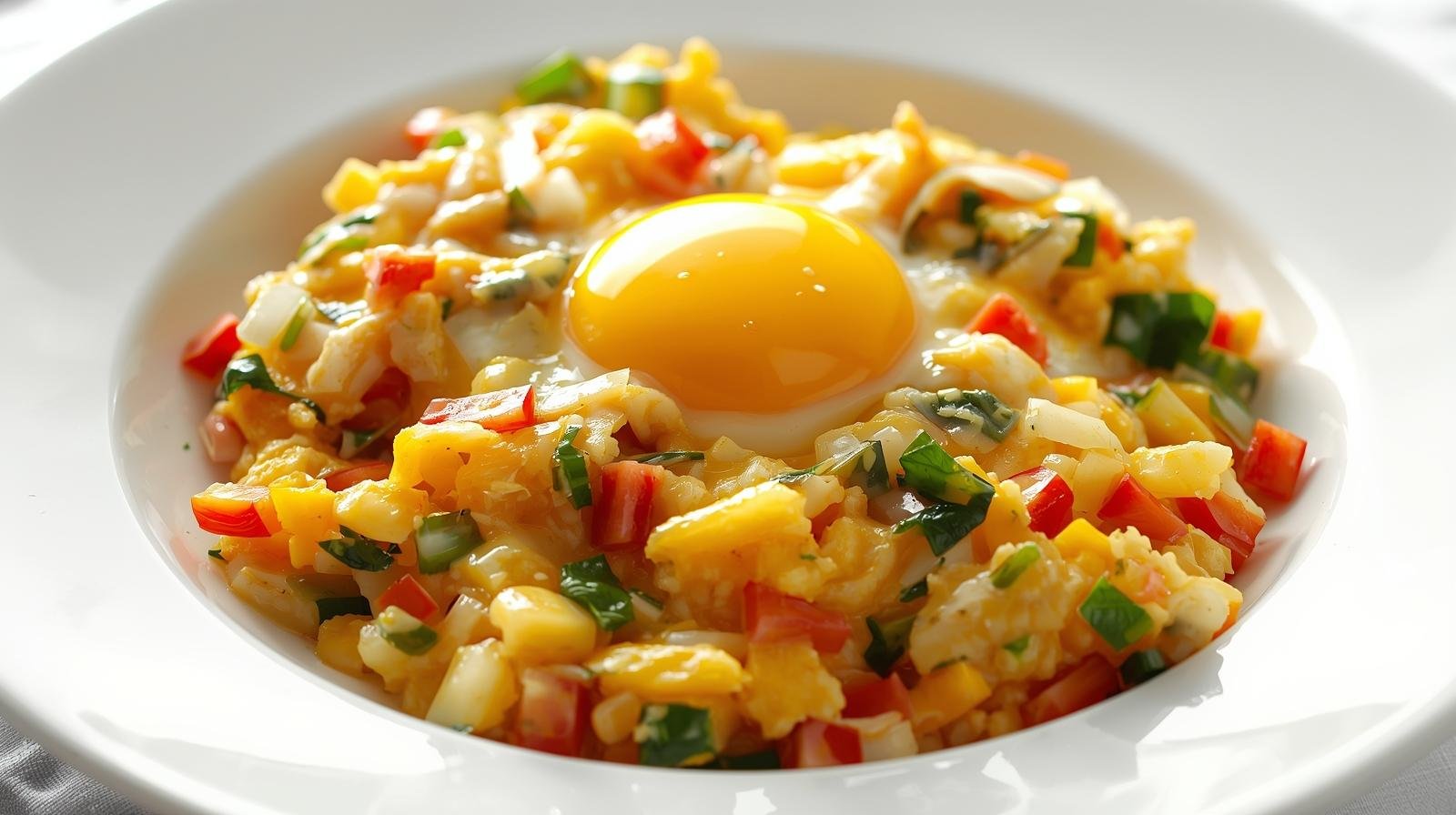
Why it’s helpful:
Egg yolks are a convenient everyday vitamin D food. One egg yolk provides about 32–68 IU of vitamin D.
Ingredients (1 serving)
2 eggs
¼ cup chopped spinach or bell pepper
1 tsp olive oil
Black pepper, herbs
Whole-grain toast (optional)
Steps
Whisk eggs with pepper and herbs.
Sauté veggies in olive oil 2–3 minutes.
Add eggs and scramble gently until just set.
Serve with or without a slice of whole-grain toast.
Approximate nutrition
Calories: ~220–260 kcal (without toast)
Protein: ~14–16 g
Fat: ~18–20 g
Vitamin D: ~70–130 IU (from 2 yolks)
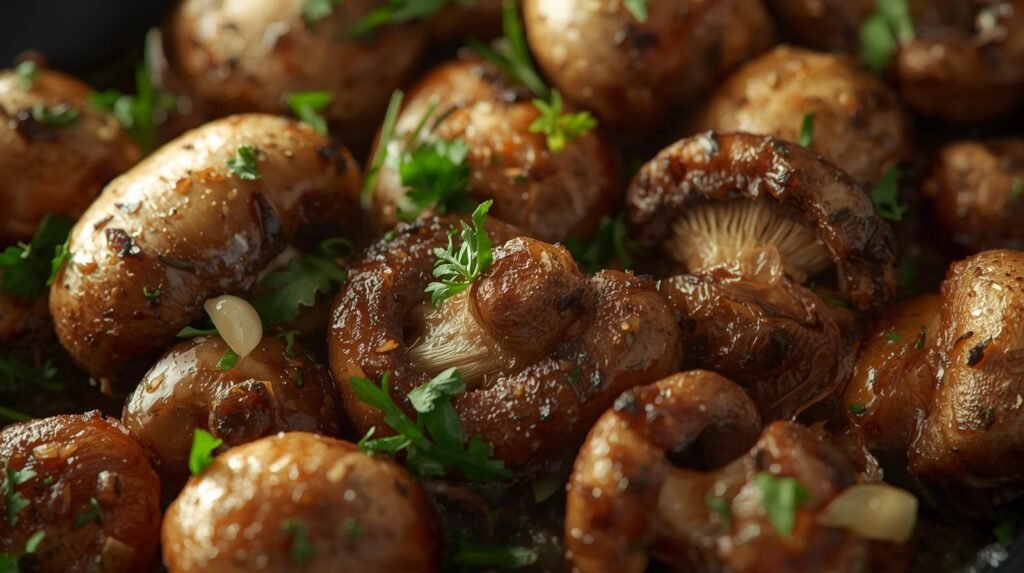
Why it’s underrated:
Mushrooms are one of the few plant-based foods high in vitamin D—if they’ve been exposed to UV light. UV-treated mushrooms can provide anywhere from 446 IU/100 g up to 800–1,200 IU per serving in some products.
Ingredients (2 servings)
200 g sliced mushrooms (look for “vitamin D enhanced” or “UV exposed”)
1 tbsp olive oil
1 garlic clove, minced
½ tsp dried thyme or rosemary
Black pepper, pinch of salt
Steps
Heat olive oil in a pan on medium-high.
Add mushrooms and cook 5–7 minutes until they release water and start to brown.
Stir in garlic, herbs, pepper and a tiny pinch of salt; cook 1–2 minutes more.
Serve over whole-grain toast, mixed into pasta, or beside eggs/fish.
Approximate nutrition (per serving)
Calories: ~110–130 kcal
Protein: ~4–5 g
Fat: ~7 g
Vitamin D: very variable, but often 200–600+ IU per 100 g in UV-treated mushrooms
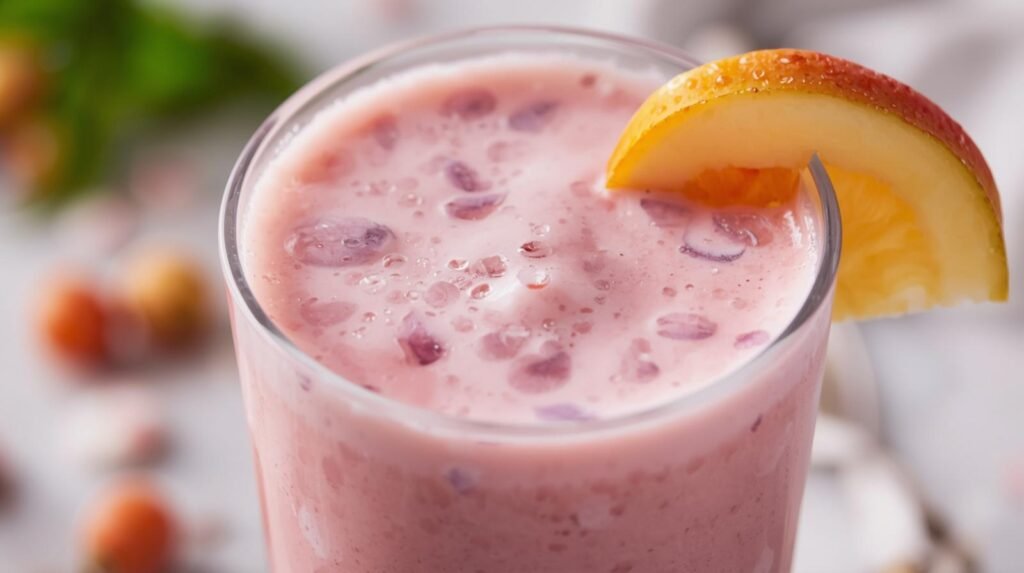
Why it matters:
In many countries, fortified milk and plant milks are where most dietary vitamin D actually comes from. A cup (250 ml) of fortified cow’s milk typically contains about 100–200 IU of vitamin D; many fortified soy or almond milks provide a similar amount.
Ingredients (1 smoothie)
1 cup fortified milk or plant milk
1 small banana or ½ cup berries
2 tbsp oats or Greek yogurt (for protein)
1 tsp nut butter (optional, for healthy fat)
Steps
Add all ingredients to a blender.
Blend until smooth and creamy.
Serve immediately as a snack or light breakfast.
Approximate nutrition (with milk, banana, oats)
Calories: ~230–280 kcal
Protein: ~8–12 g
Fat: ~4–8 g
Vitamin D: ~100–200 IU (check label; some brands add more)
1. How much vitamin D do I need per day?
2. Can I get enough vitamin D from food alone?
It’s possible but difficult without fortified foods or very regular fatty fish intake. That’s why many people rely on a combination of sun, food and sometimes a vitamin D supplement, especially in winter.
3. What’s better: vitamin D2 or vitamin D3 supplement?
Both raise vitamin D levels, but many studies suggest vitamin D3 is slightly more effective and longer-lasting.
Leave a Reply to Green Tea Weight Loss Drink: 4 Simple, Science-Backed Recipes – Pick Healthy Cancel reply